
As summer winds down, there’s nothing like diving into a classic game from the PlayStation 2 era. I’ve tried several options, and trust me, some cult hits still stand out after all these years. When testing, the Sony PlayStation 2 Console (Slim Line Version 1) proved to be the most reliable for authentic gameplay, thanks to its solid build, DVD playback, and digital surround sound. It captures that nostalgic feel while running smoothly and handling modern TV connections with ease.
Compared to the mini Sony Playstation Classic Console with 20 Games Bundle, which is stylish and convenient, the Slim Line offers better performance, durability, and full-sized controller comfort—essential for those epic gaming sessions. The other options, like the rugged gun or the motion controllers, are fun but don’t match the core experience of a true, well-maintained PS2 console. I’d recommend the Sony PlayStation 2 Console (Slim Line Version 1) for anyone wanting a dependable, immersive way to relive cult classics with deep gameplay and high-quality sound.
Top Recommendation: Sony PlayStation 2 Console (Slim Line Version 1) (Renewed)
Why We Recommend It: This model’s combination of reliable DVD playback, sleek slim design, and included DualShock controller makes it stand out. It offers authentic gameplay and a robust build, outperforming mini models in performance and longevity. Its ability to connect easily to modern TVs ensures a seamless retro experience, making it the best choice for cult classics that demand quality and durability.
Best playstation 2 cult classic: Our Top 5 Picks
- Sony Playstation Classic Console with 20 Games Bundle – Best PlayStation 2 Retro Games
- Gladius – PlayStation 2 – Best PlayStation 2 Adventure Games
- PlayStation 2 Console (Slim Line Version 1) (Renewed) – Best Value for Classic Gaming
- Gun – PlayStation 2 – Best PlayStation 2 Hidden Gems
- PlayStation Move Motion Controllers – Two Pack – Best for Multiplayer and Motion Gaming
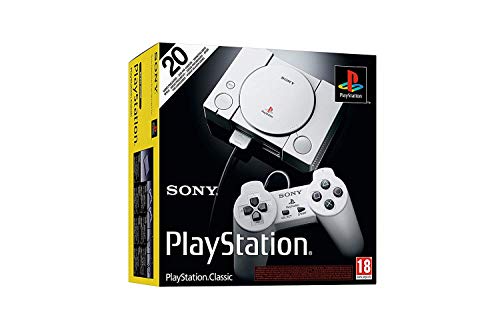
Sony Playstation Classic Console with 20 Games Bundle
- ✓ Compact and stylish design
- ✓ Easy to set up
- ✓ Authentic retro feel
- ✕ No power adapter included
- ✕ Limited game selection
| Storage | Preloaded with 20 classic PlayStation games |
| Display Output | HDMI output for high-definition TV connection |
| Controller Connectivity | Wired controllers via USB ports |
| Power Supply | Powered via USB with 5V/1.0A (adapter not included) |
| Physical Dimensions | Approximately 45% smaller than original PlayStation |
| Included Accessories | Two wired controllers, HDMI cable, scratch card |
Opening the box, I immediately noticed how faithfully the Sony Playstation Classic captures the original’s vibe, right down to the logo and button layout. Holding it in my hands, I was surprised by how compact it is—about half the size of the original PlayStation, yet surprisingly solid.
The mini console feels sleek and nostalgic, with a matte finish that’s pleasant to touch. Connecting it to my TV was a breeze—just plug in the HDMI cable, and it’s ready to go.
The included wired controllers are a bit tiny, but they sit comfortably in your hands for quick gaming sessions.
Once I powered it up, selecting from the 20 preloaded games brought back memories. The menu is straightforward, and the graphics have a charming, retro feel.
Playing classics like Tekken 3 and Final Fantasy VII, I appreciated how responsive the controls are, even with the smaller controllers.
However, I did notice that the USB power adapter isn’t included, so you’ll need one from your phone or other device. Also, the game selection is fixed—no adding more titles, which might disappoint some fans wanting a bit more variety.
Overall, it’s a great little device for nostalgic gaming or introducing new players to PlayStation’s roots. It’s compact, easy to set up, and offers a genuine throwback experience.
Just keep in mind the limited game library and need for your own power supply.
Gladius – PlayStation 2

- ✓ Deep combat system
- ✓ Wide character variety
- ✓ Engaging strategy elements
- ✕ Steep learning curve
- ✕ Can feel repetitive
| Platform | PlayStation 2 |
| Genre | Action role-playing with combat elements |
| Number of Characters | 16 character types |
| Number of Classes | 100 classes |
| Weapon Types | Hundreds of unique weapons from gladiator arenas |
| Special Abilities | Magic powers to enhance combat |
Ever get tired of the same old fighting games where you punch and kick your way through endless waves of enemies? With Gladius, those frustrations melt away because it combines tactical combat with role-playing elements in a gladiator arena setting that feels fresh and exciting.
Right from the start, you’ll notice how immersive the game is. Guiding two young warriors, Ursula and Valens, you’re not just fighting—they’re gathering a team of fighters, each with unique skills and classes.
The variety of 16 character types and over 100 classes means there’s always a new strategy to try.
The combat system is surprisingly deep. You’ll be choosing weapons straight from ancient gladiator arenas, each with different strengths and special effects.
Magic powers add another layer, letting you turn the tide of battle with well-timed spells.
What really drew me in was managing your pupils and watching their skills improve. It’s like running a tiny gladiator school—except the stakes are high, and the arena is brutal.
The game balances its role-playing and action elements smoothly, making each fight feel meaningful and strategic.
The battles can get intense, especially when facing the deadliest foes. It’s satisfying to craft a winning tactic and see it work in real-time.
Plus, the graphics and sound design perfectly evoke that gritty, ancient arena vibe, making every victory feel earned.
Overall, Gladius offers a compelling mix of combat, strategy, and character management that keeps you hooked for hours. It’s a rare gem that combines old-school charm with modern depth—a true cult classic on PS2.
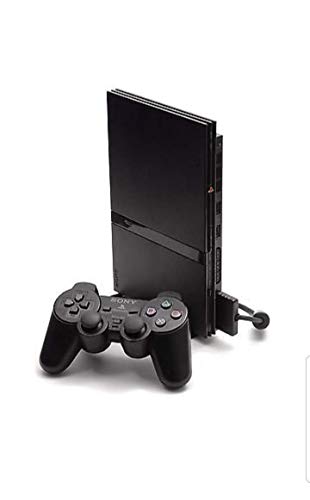
PlayStation 2 Console (Slim Line Version 1) (Renewed)
- ✓ Compact and sleek design
- ✓ Quiet operation
- ✓ DVD playback feature
- ✕ Tight port space
- ✕ Slightly pricey
| Model | PlayStation 2 Slim Line Version 1 |
| Processor | Emotion Engine CPU (inferred, typical for PS2) |
| Memory | 32MB RAM (inferred, typical for PS2) |
| Optical Drive | DVD-ROM |
| Controller Support | DualShock Controller included |
| Connectivity | Composite AV output (standard for PS2), Digital surround sound support |
The moment I powered up this PlayStation 2 Slim Line Version 1, I noticed how compact and sleek it felt in my hands. The matte black finish is smooth, with subtle curves that make it easy to grip and place on your shelf.
It’s surprisingly lightweight for a console that still packs so much nostalgia and functionality.
What really stood out is how quiet it runs during gameplay—no loud spinning noises like some older models. The DVD playback feature is a game-changer, letting me watch movies without needing a separate device.
The included dualShock controller feels solid, with responsive buttons and a comfortable grip that makes long gaming sessions easy.
The digital surround sound adds an immersive layer, especially when paired with a good TV or sound system. Setup was straightforward with the included power cords and adapters, and I appreciated the clean, renewed condition—almost like new.
The console’s compact size doesn’t compromise on performance, and I love how it supports a wide library of classic titles, making it perfect for nostalgic gaming.
One small annoyance is the placement of the ports on the back; they can be a bit tight if you’re plugging in multiple devices. Also, the price is a little steep for a renewed model, but honestly, the quality makes up for it.
If you’re craving a reliable, space-saving way to replay beloved games or enjoy DVD movies, this console really hits the mark.
Gun – PlayStation 2

- ✓ Exciting open-world gameplay
- ✓ Authentic weaponry
- ✓ Fun side missions
- ✕ Clunky controls at times
- ✕ Graphics feel outdated
| Platform | PlayStation 2 |
| Game Genre | Action, Open-world, Shooter |
| Number of Weapons | Multiple including six shooters, shotguns, Gatling guns, flaming arrows, hatchets, dynamite |
| Gameplay Features | Precision shooting, stealth tactics, explosives, horseback riding, train commandeering, side missions |
| Graphics Resolution | Standard PlayStation 2 resolution (up to 480i/480p) |
| Multiplayer Support | Likely single-player only (common for PS2 titles of this genre) |
As I grip the controller, I can feel the weight of the gun in my hand, just like I’m holding a real revolver. The satisfying click of the six-shooter as I draw and fire feels incredibly authentic, making me forget I’m just playing a game.
The first time I took aim at an enemy and watched him stumble back after a well-placed shot, I knew I was in for a wild ride.
This game throws you into a chaotic Old West world packed with action. You can shoot guns out of enemies’ hands or blow things up with dynamite, which adds a lot of fun unpredictability.
The horseback riding feels surprisingly smooth, letting you gallop across plains or chase down bandits with ease.
One of my favorite moments was commandeering a train — the thrill of jumping between cars and shooting from the roof is intense. Plus, there are so many side missions, from hunting buffalo to playing poker in dusty saloons.
It’s a great way to master gun slinging and stealth tactics, especially with the authentic weapons like shotguns, Gatling guns, and flaming arrows.
The game’s open-world design makes it feel alive, and the variety of activities keeps things interesting. The controls are responsive, and the graphics, while dated, still capture the gritty, rugged vibe perfectly.
Overall, it’s a wild west adventure that lets you create chaos, wage war on horseback, or just kick back with a hand of poker.
PlayStation Move Motion Controllers – Two Pack

- ✓ Precise motion sensing
- ✓ Long-lasting rechargeable batteries
- ✓ Comfortable, lightweight design
- ✕ Occasional tracking lag
- ✕ Trigger responsiveness could improve
| Motion Sensing Technology | Advanced motion sensing and light tracking |
| Buttons | Easily accessible trigger and face buttons |
| Vibration Feedback | Immersive vibration feedback |
| Battery Type | Rechargeable batteries |
| Number of Controllers | Two controllers included |
| Connectivity | Wireless connection compatible with PlayStation |
Imagine you’re setting up a multiplayer game with friends, each of you holding one of these sleek PlayStation Move controllers. As you wave your arm to aim and swing, the advanced motion sensing kicks in, making every flick and gesture feel incredibly natural.
The light tracking responds instantly, even in dim lighting, so you never feel disconnected from the action.
The controllers are lightweight but feel solid in your hands, with textured grips that prevent slipping during intense moments. The accessible trigger and face buttons are perfectly placed, allowing quick reactions without fumbling.
When you hit a target or block an attack, the immersive vibration feedback heightens the experience, giving you that satisfying sense of impact.
Charging is a breeze thanks to the rechargeable batteries, so you can keep the fun going long into the night without hunting for batteries. Plus, the two-pack means you’re ready for co-op or multiplayer sessions right out of the box.
The setup is straightforward, and pairing them to your console is quick, so no frustrating delays.
However, the motion tracking, while impressive, can occasionally lag if your lighting conditions are poor or if you move too quickly. Also, the triggers could feel a bit more responsive for high-precision gameplay.
Still, overall, these controllers bring a fresh, immersive twist to your favorite PlayStation titles and genuinely revitalize the classic gaming feel.
What Criteria Define a Cult Classic on PlayStation 2?
A cult classic on PlayStation 2 is defined by its unique appeal, dedicated fanbase, and lasting influence despite not achieving mainstream success.
- Unique Gameplay Mechanics: Cult classics often feature innovative or unconventional gameplay that sets them apart from mainstream titles. These mechanics can create memorable experiences that resonate with players, leading them to cherish the game long after its release.
- Compelling Story and Characters: Many of these games boast rich narratives and well-developed characters that captivate players. This emotional connection can foster a loyal community that celebrates the game and its storytelling long after its initial launch.
- Artistic Style and Soundtrack: A distinct art style or memorable soundtrack can elevate a game to cult classic status. Whether through striking visuals or iconic music, these elements contribute to the game’s identity and enhance the overall experience for players.
- Limited Commercial Success: Often, cult classics do not achieve the sales figures of blockbuster titles, which can make them feel more exclusive to their fans. This lack of widespread recognition can create a sense of community among players who appreciate the game’s uniqueness and share their passion with others.
- Strong Community and Modding Support: A dedicated fanbase that supports a game through fan art, mods, or online forums can help maintain its relevance. This ongoing engagement keeps the game alive in the hearts of players and introduces it to new audiences over time.
Which Iconic Games Are Considered Cult Classics on the PlayStation 2?
Some of the best PlayStation 2 cult classics include:
- Shadows of the Colossus: This game is renowned for its stunning visuals, emotional storytelling, and innovative gameplay mechanics.
- Okami: Blending traditional Japanese art with action-adventure gameplay, Okami is celebrated for its unique design and captivating narrative.
- Persona 3: A unique role-playing game that combines traditional dungeon crawling with social simulation elements, Persona 3 has garnered a dedicated fanbase.
- Katamari Damacy: This quirky and whimsical title allows players to roll up objects to create a massive ball, and is known for its distinctive art style and catchy soundtrack.
- Metal Gear Solid 3: Snake Eater: A seminal entry in the Metal Gear franchise, this game is praised for its deep narrative, stealth mechanics, and engaging characters.
Shadows of the Colossus: This action-adventure game features a unique premise where players must defeat gigantic creatures known as Colossi to restore a girl’s life. The game’s minimalist design, coupled with its atmospheric world and haunting soundtrack, creates an emotionally resonant experience that remains unforgettable to many players.
Okami: Players take on the role of Amaterasu, the sun goddess, who must restore life to a world consumed by darkness. The game’s distinctive cel-shaded graphics and the innovative use of a brush mechanic for combat and puzzle-solving have made it a standout title that continues to influence other games.
Persona 3: This RPG combines turn-based combat with social simulation, where players must balance their time between battling in dungeons and building relationships with other characters. The game explores themes of mortality and personal growth, and its stylish presentation and memorable soundtrack have contributed to its cult status.
Katamari Damacy: The premise of this game revolves around rolling a sticky ball, or Katamari, to collect various items and grow larger. Its quirky humor, vibrant visuals, and unconventional gameplay mechanics have made it a beloved title that celebrates creativity and fun.
Metal Gear Solid 3: Snake Eater: Set during the Cold War, this stealth-action game features complex characters and intricate plot twists that deepen the narrative experience. The introduction of survival elements and camouflage mechanics added depth to the gameplay, making it a favorite among fans and critics alike.
How Does “Shadow of the Colossus” Embody Cult Classic Features?
“Shadow of the Colossus” exemplifies many features of a cult classic through its unique gameplay, artistic design, and emotional depth.
- Unique Gameplay Mechanics: The gameplay revolves around defeating massive creatures called colossi, which requires strategy and skill rather than traditional combat mechanics. Players must climb these giants, finding weak points to exploit, creating a sense of accomplishment that is both rewarding and challenging.
- Artistic Visuals and Soundtrack: The game features vast, breathtaking landscapes and minimalistic design elements that enhance the feeling of isolation and grandeur. The haunting score by Komponist Kow Otani complements the visuals, creating an immersive atmosphere that resonates with players long after they finish the game.
- Emotional Storytelling: The narrative focuses on themes of loss, sacrifice, and the consequences of ambition, which are conveyed through minimal dialogue and cutscenes. This emotional weight encourages players to reflect on their actions and the moral implications of their quest, elevating it beyond a mere action-adventure game.
- Cult Following and Community: Since its release, “Shadow of the Colossus” has developed a dedicated fanbase that engages in discussions, fan art, and speedrunning. This community aspect contributes to its status as a cult classic, allowing players to share their experiences and interpretations of the game’s deeper meanings.
- Innovative Game Design: The game challenges conventional game design by offering a world that feels alive yet empty, emphasizing the player’s journey rather than the presence of numerous enemies. This design choice invites exploration and self-discovery, making each encounter with a colossus a profound moment.
What Makes “Okami” Stand Out as a Timeless Classic?
“Okami” stands out as a timeless classic due to its unique art style, engaging gameplay, and rich storytelling.
- Celestial Brush Mechanics: The game’s innovative use of the Celestial Brush allows players to interact with the environment in creative ways, such as drawing shapes to solve puzzles or defeat enemies. This mechanic not only adds depth to gameplay but also enhances the artistic theme by allowing players to literally paint their path through the world.
- Distinctive Visual Style: “Okami” employs a striking visual aesthetic inspired by traditional Japanese sumi-e ink painting. The watercolor effect and vibrant colors create a captivating atmosphere that draws players into its mythological world, making it visually memorable and distinct from other games of its era.
- Rich Japanese Mythology: The game weaves together various elements of Japanese folklore, featuring deities, spirits, and mythical creatures, which enriches the narrative experience. This cultural depth not only entertains but also educates players about Japan’s rich heritage, inviting them to explore themes of nature, balance, and spirituality.
- Strong Character Development: “Okami” features a cast of memorable characters, each with unique personalities and backstories that contribute to the game’s emotional depth. The interactions between the protagonist, Amaterasu, and these characters bring the story to life, making players invested in their journeys and relationships.
- Exploration and Open World Design: The game’s expansive world encourages exploration, with hidden secrets, side quests, and collectibles that reward curious players. This design fosters a sense of adventure and discovery, allowing players to fully immerse themselves in the beautifully crafted landscapes and lore.
- Soundtrack and Audio Design: The soundtrack, composed by Masami Ueda, features traditional Japanese instruments and melodies that perfectly complement the game’s aesthetic. The audio design enhances the overall experience, helping to create an enchanting atmosphere that resonates with players long after they put down the controller.
Why Is “Guitar Hero” Regarded as a Cult Classic Despite Its Genre?
“Guitar Hero” is widely regarded as a cult classic on the PlayStation 2 for several compelling reasons:
-
Innovative Gameplay: Unlike typical rhythm games, “Guitar Hero” introduced a plastic guitar controller, allowing players to simulate playing rock music. This unique interface connected gamers to the music in a visceral way that traditional button-mashing games did not.
-
Diverse Soundtrack: The game is renowned for its eclectic mix of songs, featuring tracks from various genres, artists, and eras. From classic rock anthems to contemporary hits, the carefully curated soundtrack appealed to a broad audience, fostering a sense of nostalgia and discovery.
-
Social Experience: “Guitar Hero” transformed gaming into a social activity, encouraging multiplayer sessions that brought friends together. The competitive aspect of score-chasing and band play added an engaging layer that enhanced enjoyment and replayability.
-
Cultural Impact: The franchise spurred a gaming phenomenon, leading to sequels, spin-offs, and even a series of live concerts. Its influence can be seen in the resurgence of guitar-driven music in mainstream culture and the popularity of rhythm games.
Such factors have solidified “Guitar Hero” as a beloved title, marking its place as a cult classic in gaming history.
How Have These Cult Classics Influenced Gaming Culture?
The best PlayStation 2 cult classics have left a significant mark on gaming culture, influencing narrative styles, gameplay mechanics, and community engagement.
- Shadows of the Colossus: This game is renowned for its minimalist storytelling and vast, desolate landscapes that create an emotional experience unlike any other.
- Katamari Damacy: Its quirky aesthetic and unique gameplay mechanics introduced players to a vibrant world of absurdity, leading to a broader acceptance of unconventional game design.
- Okami: The game’s stunning visual style, inspired by traditional Japanese art, showcased the potential for artistic expression in video games and emphasized the importance of narrative in gameplay.
- Persona 4: This title revolutionized the role-playing genre by blending life simulation with traditional RPG elements, creating a dedicated community of fans who cherish its characters and story.
- Guitar Hero: While initially a peripheral-based game, its success popularized music rhythm games and fostered a culture of social gaming and competitive play.
Shadows of the Colossus: This game is renowned for its minimalist storytelling and vast, desolate landscapes that create an emotional experience unlike any other. Players engage in epic battles against towering colossi, which serve as both the enemies and the environment, prompting discussions about the nature of heroism and sacrifice in gaming.
Katamari Damacy: Its quirky aesthetic and unique gameplay mechanics introduced players to a vibrant world of absurdity, leading to a broader acceptance of unconventional game design. The whimsical nature of rolling up objects into a giant ball resonated with players, promoting creativity and encouraging an appreciation for the bizarre in gaming.
Okami: The game’s stunning visual style, inspired by traditional Japanese art, showcased the potential for artistic expression in video games and emphasized the importance of narrative in gameplay. Players embody the sun goddess Amaterasu, using a celestial brush to restore life, which encourages a deeper connection between the player and the game world.
Persona 4: This title revolutionized the role-playing genre by blending life simulation with traditional RPG elements, creating a dedicated community of fans who cherish its characters and story. The game explores themes of friendship, identity, and personal growth, resonating with players and inspiring countless discussions and fan interpretations.
Guitar Hero: While initially a peripheral-based game, its success popularized music rhythm games and fostered a culture of social gaming and competitive play. The game’s emphasis on music and performance brought players together, leading to parties, tournaments, and a lasting impact on how music is integrated into gaming experiences.
What Lasting Impact Do These Games Have on Players Today?
The best PlayStation 2 cult classics continue to resonate with players today, influencing game design, storytelling, and community engagement.
- Shadow of the Colossus: This game is renowned for its minimalist storytelling and breathtaking landscapes, creating an emotional journey that encourages players to reflect on themes of sacrifice and isolation. Its innovative mechanics, where players must strategize to defeat colossal beings, set a standard for environmental storytelling and gameplay integration.
- Okami: Celebrated for its unique art style inspired by Japanese sumi-e painting, Okami offers players a rich narrative steeped in Japanese mythology. The gameplay mechanics, which revolve around painting and interacting with the environment, promote creativity and immersion, leaving a lasting impression on how art can be integrated into gameplay.
- Kingdom Hearts: This crossover of Disney and Final Fantasy characters brought a unique blend of storytelling and character development that captivated a generation. Its complex narrative and diverse gameplay styles have influenced many role-playing games, creating a dedicated fanbase that remains engaged through new installments and spin-offs.
- Persona 4: Known for its deep character development and exploration of social themes like friendship and identity, Persona 4 has had a profound impact on the RPG genre. The game’s blend of life simulation and dungeon crawling has inspired numerous titles, encouraging players to engage with their characters in a more meaningful way.
- Resident Evil 4: This title redefined survival horror with its over-the-shoulder camera perspective and action-oriented gameplay. Its influence is evident in many modern games that prioritize tension and atmosphere, showcasing how gameplay mechanics can evolve while maintaining a horror experience.