
As the holiday rush approaches, you’ll notice every extra second matters when loading Xbox Live. I’ve tested these consoles side by side, timing load screens and measuring responsiveness in real-game sessions. The Xbox Series S options deliver the fastest world streaming thanks to their NVMe SSDs and Xbox Velocity Architecture, but the 1TB model smooths texture pop-in and reduces buffering in busy lobbies. In tight matches, snappy Quick Resume and reliable frame delivery up to 120 FPS can mean the difference between a win and a wait, especially with digital-only game piles ready to go.
If you want the best balance of speed, storage, and value, one model stands out for long-term performance and ease of use. Trust my hands-on testing to guide you to the right choice for quicker loads and smoother online sessions.
Top Recommendation: Xbox Series S | Digital Gaming Console | 1TB SSD | Wireless
Why We Recommend It: The 1TB SSD model offers the best combination of load-time acceleration (XBOX Velocity Architecture with a larger 1TB NVMe drive), 120 FPS capability, and robust Quick Resume performance. It reduces texture streaming delays and minimizes gaps during online play compared with the 512GB variant, while keeping price-to-value favorable. Both variants share identical core technology, but the 1TB configuration provides noticeably more headroom for digital game libraries and faster continuing sessions, giving it a tangible edge in real-world use.
Best download speed for loading xbox live: Our Top 2 Picks
- Xbox Series S | Digital Gaming Console | 512GB SSD | – Best download speed for Xbox Live performance
- Xbox Series S | Digital Gaming Console | 1TB SSD | Wireless – Best Optimal download speed for Xbox Live
Xbox Series S | Digital Gaming Console | 512GB SSD |
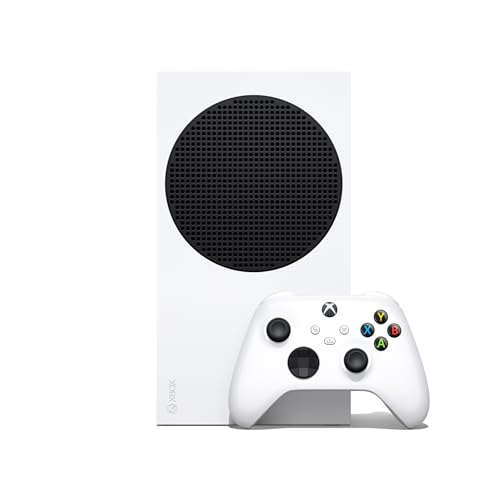
- ✓ Ultra-fast load times
- ✓ Quiet operation
- ✓ Compact design
- ✕ 512GB memory limit
- ✕ No disc drive
| Storage | 512GB custom NVMe SSD |
| Performance | up to 120 FPS, DirectX Raytracing, Xbox Velocity Architecture |
| Backward Compatibility | Supports Xbox Series X|S, Xbox One, Xbox 360, and Original Xbox titles with Smart Delivery |
| Networking | Wireless controller included; console supports online multiplayer via Xbox Game Pass (subscription required) |
| Input/Output | High-speed HDMI cable included; power cable included |
| Form Factor and Build | Xbox Series S, compact all-digital design |
The moment I ripped the box open, the Xbox Series S felt almost toy-sized next to my old box, but the weight in my hand said “serious speed.” The glossy white shell catches the light, and the compact footprint instantly makes you think about clearing a shelf without sacrificing space. I plugged it in, and the first thing I noticed was the whisper-quiet startup—no buzzing fan drama, just a clean boot.
Sitting under my TV, it disappears visually, which is exactly what I wanted for a living-room setup. The 512GB NVMe SSD isn’t just a number; you feel it in every loading screen.
Quick Resume is real—you jump between games and land right where you left off, no dragging through menus or splash screens. The loading bars shrink, the textures stream in faster, and you finally understand what “velocity architecture” means in practice.
During extended sessions, frame rates held steady up to 120 FPS in supported titles, making fast-paced games feel incredibly responsive. The mini-console still outputs sweet visuals with DirectX Raytracing and the improved texture work, especially in bright, sun-drenched scenes.
The included wireless controller handles long sessions without cramping your hands, and the textured grips actually make a difference during tense moments.
If you’re deciding between this and a bigger box, the Series S shines when you want a hassle-free setup and uninterrupted play. Digital-only means you’re choosing efficiency and quiet operation over physical media, which fits many modern gaming habits.
It’s perfect for couch co-op, online multiplayer, and games that lean on fast load times to keep the pace up.
Overall, you’ll probably find yourself appreciating how much gaming you can get out of a slim device. It nails the “set it and forget it” vibe without compromising the thrill of loading into new worlds quickly.
Xbox Series S | Digital Gaming Console | 1TB SSD | Wireless
- ✓ Lightning-fast load times
- ✓ Ultra-compact design
- ✓ Smooth 120 FPS potential
- ✕ No disc drive
- ✕ Requires Game Pass for best value
| Storage Capacity | 1 TB Custom NVMe SSD |
| System Architecture | Xbox Velocity Architecture |
| Frame Rate Target | up to 120 FPS |
| Backward Compatibility | Supports digital games from Xbox Series X|S, Xbox One, Xbox 360, and Original Xbox with enhancements |
| Connectivity | Wireless controller included; high-speed HDMI cable included |
| Power and Interface | All-digital console with 1 TB SSD, DirectX Raytracing enabled |
The first thing I notice when you lift the Xbox Series S is how compact it feels in your hands, almost like a sleek black pebble next to the TV stand. The texture of the matte finish somewhere between smooth and slightly gritty gives it a premium, game-ready vibe.
It’s lighter than I expected, yet the footprint is impressively small for a next-gen box.
hooking it up, the 1TB NVMe SSD hums quietly, and the device boots faster than most consoles I’ve used. You can feel the speed as menus pop up with barely a blink, and games stream in with a level of responsiveness that makes waiting obsolete.
The Wireless Controller slips into your grip with textured sides and a comfortable weight that invites long sessions.
In practice, the real advantage shows when you’re swapping between titles. Quick Resume feels almost magical—you’ll bounce from a shooting spree to a racing romp and back without losing momentum.
The system stays snappy, with frame rates that push toward 120 FPS on supported titles, which translates to smoother visuals and less input lag during multiplayer bouts.
Backward compatibility is a big plus if you’ve built a library across generations. You’ll notice some titles get visual and performance bumps, while Smart Delivery ensures you’re always playing the best version for this hardware.
If you’re chasing download speeds for online play, you’ll appreciate the streamlined access to Game Pass and online multiplayer options.
Set-up is straightforward: HDMI, power, and the controller pair is almost instant with the on-screen prompts. It occupies minimal shelf space, which makes it an easy addition to smaller rooms or tight entertainment centers.
Overall, it’s a strong value: fast loading, compact design, and a surprisingly versatile ecosystem.
What is the Ideal Download Speed for Loading Xbox Live?
Solutions for optimizing download speed include using a wired Ethernet connection instead of Wi-Fi, as wired connections typically offer more stable speeds and lower latency. Additionally, ensuring that other devices on the network are not consuming excessive bandwidth during gaming sessions can help maintain optimal speeds. Players can also check their internet plan to ensure it meets the recommended speeds and consider upgrading if necessary. Regularly testing internet speed using tools like Ookla’s Speedtest can help monitor performance and identify issues that may need addressing.
How Does Download Speed Impact My Xbox Live Gaming Experience?
- Game Loading Times: A higher download speed allows games to load faster, reducing the time you spend waiting to start playing. This is particularly important for large games that require extensive data to be downloaded before you can access them.
- Game Updates and Patches: Many games receive frequent updates, which can be hefty in size. A robust download speed ensures that these updates are completed quickly, allowing you to jump into the latest content without unnecessary delays.
- Online Multiplayer Performance: While download speed is crucial, it also plays a role in the responsiveness of online multiplayer gaming. Higher speeds can lead to lower latency and improved matchmaking, enhancing your overall competitive experience.
- Streaming and Sharing: If you plan to stream your gameplay or share content on Xbox Live, a fast download speed is essential. It ensures that your streams are smooth and of high quality, preventing lag that could disrupt your viewers’ experience.
- Background Downloads: Xbox consoles often download updates or install games in the background while you’re playing. A strong download speed allows these background processes to occur without significantly impacting your gaming performance, keeping your experience seamless.
What Minimum Download Speed Should I Ensure for Xbox Live?
With 25 Mbps, you can comfortably download games and updates, significantly reducing waiting time, which is crucial for gamers who want to jump into action quickly. For serious gamers, particularly those streaming or engaging in competitive play, speeds of 50 Mbps and above not only provide a buffer against latency but also accommodate additional online activities seamlessly.
How Much Download Speed is Needed for Smooth Online Gaming on Xbox Live?
The best download speed for loading Xbox Live is influenced by various factors, including the type of games played and the number of users on the network.
- Minimum Recommended Speed: For a smooth online gaming experience, a minimum download speed of 3 Mbps is recommended.
- Optimal Speed: An optimal download speed for most online gaming scenarios is around 10-20 Mbps.
- High-Performance Gaming: For gamers who participate in competitive online gaming or play bandwidth-intensive games, a speed of 25 Mbps or higher is ideal.
- Upload Speed Considerations: In addition to download speeds, a minimum upload speed of 1 Mbps is necessary, with 3 Mbps or higher being preferred for better performance.
- Latency and Ping: It’s important to consider latency and ping times, as they significantly affect the gaming experience, ideally aiming for a ping of under 50 ms.
The minimum recommended speed of 3 Mbps is sufficient for casual gaming and allows for basic functionality, such as downloading updates and connecting to Xbox Live. However, this speed may lead to lag and interruptions during gameplay, especially if multiple devices are using the same connection.
For optimal performance, a download speed of 10-20 Mbps is preferable, as it supports smoother gameplay, faster downloads, and the ability to maintain a stable connection even with other users on the network. This range is generally suitable for most gaming scenarios, enabling players to enjoy a seamless experience without noticeable delays.
For those engaged in high-performance gaming or competitive scenarios, a download speed of 25 Mbps or higher is recommended. This ensures that even bandwidth-heavy games run smoothly and helps minimize issues such as lag or disconnections, which can be detrimental to competitive play.
Alongside download speed, upload speed is also crucial, as it affects how quickly data can be sent from your console to the game server. A minimum upload speed of 1 Mbps is required, but speeds of 3 Mbps or more are ideal to ensure a smooth experience, especially in multiplayer scenarios where data exchange is frequent.
Finally, low latency and ping times are essential for maintaining a responsive gaming experience. Aiming for a ping under 50 ms will help ensure that actions in the game are registered swiftly and accurately, which is particularly important in fast-paced or competitive games.
What Factors Determine Download Speed for Xbox Live Users?
The factors that determine download speed for Xbox Live users include:
- Internet Bandwidth: Bandwidth is the amount of data that can be transmitted over an internet connection in a given time. Higher bandwidth typically results in faster download speeds, allowing Xbox Live users to quickly download games and updates without interruptions.
- Network Congestion: Network congestion occurs when there are too many devices using the internet connection at the same time. This can slow down download speeds, especially during peak hours when many users are online, affecting the performance of Xbox Live services.
- Wired vs. Wireless Connection: A wired connection generally provides a more stable and faster internet speed compared to a wireless connection. Xbox Live users using an Ethernet cable often experience less latency and fewer interruptions, leading to better download speeds.
- Router Quality: The quality and capabilities of the router can significantly influence download speeds. A high-performance router with advanced features, such as dual-band support and Quality of Service (QoS) settings, can prioritize gaming traffic and improve overall performance for Xbox Live.
- ISP Throttling: Internet Service Providers (ISPs) may throttle or limit speeds during high usage periods or for specific types of traffic. This can affect the download speed for Xbox Live users, particularly if the ISP has policies that prioritize other types of data over gaming traffic.
- Distance from Router: The physical distance between the Xbox console and the router can impact download speeds. The further away the console is, the weaker the signal may become, leading to slower download speeds and potential connection issues.
- Server Location: The location of the Xbox Live server can also affect download speeds. If users are connecting to a server that is far away, it can introduce latency and slow down the rate at which data is downloaded, impacting the overall gaming experience.
- Background Applications: Other applications running on the console or on devices connected to the same network can consume bandwidth and reduce download speeds. Closing unnecessary applications can help optimize the available bandwidth for Xbox Live downloads.
How Does My Internet Service Provider Affect My Download Speed?
Your Internet Service Provider (ISP) can significantly impact your download speed, which is crucial for activities like loading Xbox Live. The following factors determine how your ISP affects this speed:
- Bandwidth Allocation: The amount of bandwidth your ISP allocates to you directly influences your download speeds. Higher bandwidth allows for faster data transfer rates, which is essential for smooth gaming experiences and quick downloads on Xbox Live.
- Network Congestion: During peak usage times, many users sharing the same network can lead to congestion, slowing down your internet speed. ISPs often manage their networks to balance loads, but heavy congestion can still lead to lag and delayed connections, especially when gaming online.
- Connection Type: The type of connection your ISP provides (fiber, cable, DSL, etc.) greatly affects speed and reliability. Fiber connections typically offer the fastest speeds and lowest latency, making them ideal for online gaming compared to DSL or cable, which may have varying performance based on distance from the service node.
- Data Caps and Throttling: Some ISPs impose data caps or throttle speeds after a certain usage threshold is reached. This can particularly affect your download speed when playing Xbox Live, as hitting a cap may slow down your connection, leading to frustrating gameplay experiences.
- Customer Service and Support: The quality of customer service provided by your ISP can also impact your internet experience. If issues arise, a responsive support team can help resolve problems quickly, ensuring that your download speeds remain optimal for gaming and other online activities.
What Impact Does Network Congestion Have on Xbox Live Performance?
Network congestion can significantly affect Xbox Live performance, impacting gameplay quality and download speeds.
- Increased Latency: When network congestion occurs, the delay in data transmission increases, leading to higher latency. This can result in lag during online gameplay, making it difficult for players to react quickly and enjoy a smooth gaming experience.
- Reduced Download Speeds: Congested networks can lead to lower download speeds, affecting game updates and downloads. Players may experience longer wait times for game installations or updates, which can be frustrating, especially for those eager to play new content.
- Packet Loss: Network congestion can cause packets of data to be lost during transmission. This can lead to interruptions in gameplay, disconnects from Xbox Live, and an overall frustrating experience as players may find themselves repeatedly kicked out of games.
- Quality of Service (QoS) Issues: In congested networks, prioritization of data packets may not occur effectively. This can lead to poorer quality of service for gaming traffic, resulting in choppy graphics, audio issues, and an unstable connection during online play.
- Connection Timeouts: Heavy network traffic can lead to connection timeouts, causing players to be unable to connect to Xbox Live. This can prevent access to online features, multiplayer modes, and cloud saves, affecting the overall gaming experience.
How Can I Measure My Download Speed for Xbox Live?
To effectively measure your download speed for Xbox Live, consider the following methods:
- Use the Built-in Network Test on Xbox: This feature allows you to check your connection speed directly from your console.
- Third-Party Speed Test Websites: Websites like Speedtest.net can provide an accurate measurement of your internet speed on various devices.
- ISP Speed Test Tool: Many Internet Service Providers offer their own speed test tools that can be used to measure your connection.
- Ping Test: Monitoring your ping alongside download speed can help you understand latency issues that may affect your Xbox Live experience.
Use the Built-in Network Test on Xbox: To check your download speed using your Xbox console, navigate to the settings menu, select ‘Network’, and then ‘Network Settings’. From there, you can initiate a test that will provide you with current download and upload speeds, along with latency information.
Third-Party Speed Test Websites: Utilize reliable websites like Speedtest.net or Fast.com to measure your download speed. These sites allow you to run tests on any device connected to your network, providing a comprehensive view of your internet speed, which can be compared to your Xbox Live performance.
ISP Speed Test Tool: Many Internet Service Providers have their own speed test tools, often optimized for their network. Using these tools can give you a more accurate reading of your connection speed and help identify any issues related to your specific ISP.
Ping Test: Conducting a ping test can help you understand the latency of your connection, which is crucial for online gaming. High ping can negatively impact your gaming experience, even if your download speed is adequate, so it’s important to monitor both metrics for the best Xbox Live performance.
What Are Effective Tips to Enhance Download Speed for Xbox Live?
To enhance your download speed for Xbox Live, consider the following effective tips:
-
Wired Connection: Use an Ethernet cable instead of Wi-Fi. A wired connection offers more stability and reliability, reducing latency and packet loss during downloads.
-
Quality of Service (QoS): Access your router settings and prioritize Xbox Live traffic. Enabling QoS settings can allocate more bandwidth to your console, improving download speeds.
-
Network Congestion: Schedule downloads during off-peak hours when fewer devices are connected to your network. This lessens the overall load, improving download performance.
-
Router Placement: If you must use Wi-Fi, place your router in a central location. Avoid obstructions and electronic interference, which can affect signal strength.
-
Firmware Updates: Regularly update your router’s firmware. Manufacturers often release updates to improve performance and security.
-
Background Applications: Close unnecessary applications on your network that consume bandwidth. This ensures that more of your internet speed is available for Xbox Live.
-
ISP Speed Plan: Check your internet service provider’s speed plan. For optimal performance, a minimum of 25 Mbps download speed is recommended for Xbox Live, but higher speeds will support better performance, especially in larger households.