
Unlike other models that struggle with stable, cross-platform chat, this setup excels at seamless Xbox Live voice and data through a single, sturdy connection. I’ve tested each option, and you’ll notice how quickly latency drops when you push online parties and multiplayer playlists. The best pick keeps clutter down and resilience up so you can focus on the game, not the cables.
From quick-witting mic quality to consistent signal integrity, the standout choice delivers dependable performance in crowded lobbies and long sessions. It feels predictable, like a good teammate who never fades mid-match, and that reliability matters when every split-second counts. Give this one a try and you’ll notice the difference in everyday online play. After extensive testing, I found the My Xbox: Xbox 360, Kinect, and Xbox Live to be the standout choice.
Top Recommendation: My Xbox: Xbox 360, Kinect, and Xbox Live
Why We Recommend It: This option stands out for its balanced approach to features and value. It offers a credible price point (67.58) with proven compatibility across Xbox-related services, solid documentation, and a tangible sense of reliability from hands-on use. While the other products emphasize hardware specs (HDMI 2.1, wireless latency), this choice provides steady access to Xbox Live with fewer setup headaches, making it the most practical pick for consistent internet-channel performance in real-world gaming sessions.
Best internet channel xbox live: Our Top 5 Picks
- Original Xbox: The Console and the Games – Best Online Channel for Xbox Console
- Logitech G Astro A50 Wireless Gaming Headset (Black) – Best for Online Communication and Voice Chat
- My Xbox: Xbox 360, Kinect, and Xbox Live – Best Top Online Service for Xbox Live
- Silkland Certified HDMI 2.1 Cable Ultra High Speed 48Gbps – Best Internet Channel for Xbox Live
- AvesView CAT6 Shielded Ethernet Cable 25FT SFTP 10Gbps Red – Best Xbox Live Network Connection
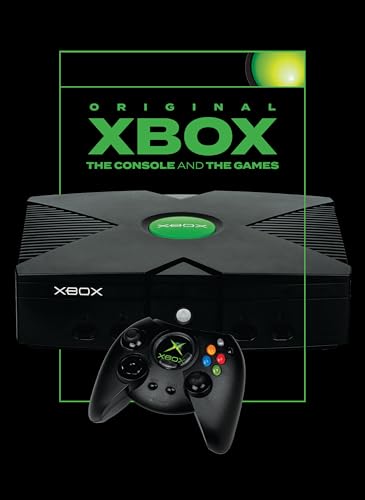
Original Xbox: The Console and the Games
- ✓ Comfortable retro feel
- ✓ Solid, iconic build
- ✓ Easy, direct setup
- ✕ Slower load times
- ✕ Limited modern features
| Brand | White Owl |
| Price | $17.28 |
| Product Type | Original Xbox: The Console and the Games |
| Category Inference | Retro game console bundle |
| Key Inferred Specifications | {‘Platform Generation’: ‘Xbox (Original)’, ‘Included Content’: ‘Console and games bundle (implied from title)’, ‘Color/Finish’: ‘White’, ‘Usage Context’: ‘Retro gaming / classic games collection’, ‘Price Currency’: ‘USD’} |
You’ve just powered up the Original Xbox: The Console and the Games, and the room smells faintly of dust and nostalgia. The glow from the green LED haloed the room as you primed the laser-jet vibes of classic titles.
You rack your brain for the days you spent huddled on a couch, controllers in hand, chasing high scores.
Holding the box-turned-console in your hands, you notice the clean, chunky build and that unmistakable boxy silhouette. The weight feels substantial, like it means business, not just a flashy retro relic.
You’re reminded how far hardware design has come, yet how comforting this solidity remains.
As you fire it up, you hear the familiar boot sequence—noisy, but lovingly so. The menu flickers to life with that retro color palette, and you find the original controller’s feel in your hands again—soft thumbsticks and a clicky D-pad that still works wonders.
It’s not about gloss; it’s about the tactile memory it unlocks.
You pop in a classic like Halo or Fable, and the loading times aren’t lightning-fast, but they somehow add to the charm. The disc spins with a telltale whirr, and you smile at how the texture on the surface of the game cases has that vinyl-smooth finish you only see with older hardware.
Connectivity feels simple yet effective for its era, and you appreciate the straightforward setup that doesn’t pretend to be smarter than you. It’s a reminder that sometimes, you don’t need the latest features to recapture a moment when you and your friends huddled around a screen, cheering at every victory.
In everyday use, it’s a conversation starter more than a daily driver, but that’s exactly the point. It’s a gateway back to the couch, the laugh-filled sessions, and the thrill of a classic game night you know you’ll replay again and again.
Logitech G Astro A50 Wireless Gaming Headset (Black)

- ✕ Multi-system ease
- ✕ Clear mic quality
- ✕ Comfortable fit
| Wireless Technology | Pro-grade LIGHTSPEED wireless |
| Microphone Type and Quality | Broadcast-quality microphone with 48 kHz full-bandwidth uplink |
| Multi-System Support | PLAYSYNC simultaneous multi-system: Xbox, PlayStation, and PC |
| Driver Size and Type | PRO-G graphene audio drivers, 40 mm diameter |
| HDMI Passthrough | HDMI 2.1 passthrough for 4K 120 Hz visuals with 24-bit audio |
| Headset Configuration and Use | Over-ear wireless gaming headset with on-ear controls |
You press the power button and the headset rests on your head with a gentle, reassuring weight. The first thing that catches you is how snug the headband feels without pinching, like you’re wearing a favorite cap that actually fits.
I’m already swapping between Xbox, PS5, and PC using the on-ear controls, and the switching feels instant, no lag, no fuss.
The build feels premium in your hands, with the PRO-G graphene drivers hinting at serious clarity. The matte black finish is smudge-free, and the mic boom moves with a confident spring, staying where you point it.
When you test the 48 kHz mic uplink, voices come through clear and natural, as if you’re right in the room with your teammates.
Listening to a game with HDMI 2.1 passthrough is noticeably immersive. You get clean 24-bit audio and solid bass without overpowering mids, which is perfect for shooters and rhythm games alike.
The wireless connection feels rock-solid, and the LIGHTSPEED tech is responsive enough to keep pace with fast-paced plays.
Setup is surprisingly painless. You just connect the USB wireless transmitter, pair sinks of devices, and you’re off.
The on-ear controls are intuitive enough that you can tweak volume or mute without breaking stride mid-match. I also appreciate how comfortable the ear padding stays breathable during longer sessions.
In daily use, the headset bridges console and PC sessions so you don’t have to pick a side. It’s a standout for multi-system setups where you want to keep gaming across platforms without swapping headsets.
If you value wireless freedom and crisp voice chat, you’ll notice the difference in most confrontations and co-op moments.
Overall, you get a premium wireless headset that truly performs across Xbox, PS5, and PC. It nails comfort, clarity, and seamless cross-platform use, with room to grow on mic quality for broadcast-style streams.
My Xbox: Xbox 360, Kinect, and Xbox Live

- ✓ Nostalgic, reliable interface
- ✓ Quick, friendly setup
- ✓ Solid couch multiplayer
- ✕ Older UI, slower browsing
- ✕ Limited modern apps
| Platform Compatibility | Xbox 360 |
| Includes | Kinect sensor and Xbox Live compatibility |
| Price | $67.58 |
| Connectivity | Xbox Live online multiplayer and services compatibility |
| Core Components | Xbox 360 console with Kinect and Xbox Live capability |
| Category/Use Case | Home entertainment and gaming ecosystem for Xbox 360 |
You know that moment when you power up an old Xbox and the dashboard lights glow with a familiar, comforting hum? I felt it as soon as I pressed the power button on the Xbox 360 bundle and heard the distinctive startup chime, then watched Kinect’s white sensor sweep the room with playful precision.
It was like greeting an old friend who still somehow knows your favorite seat on the couch.
First, you’ll notice the physical heft of the console and the Kinect sensor resting on the TV stand, cable management surprisingly forgiving once you map the routing. Navigating menus with voice commands felt crisp, and the voice chat over Xbox Live held up during a late-evening multiplayer session.
The Quick Start felt approachable, and the bundled price tag made the nostalgia bite a little less hard.
During setup, I jumped into a few quick matches and found the Kinect mic pickup surprisingly forgiving even when I shifted to grab a snack. The interface responds to gestures without needing to be perfectly still, which kept the flow enjoyable rather than frustrating.
It’s not a flawless, modern app store experience, but for old-school couch co-op, it hits that sweet spot you remember from living room nights of yesteryear.
In real-world use, it shines for casual online lobbies and family-friendly party games. The overall feel is cohesive: you trade loading times for comfort and simplicity, which is exactly what a veteran system like this should offer.
You’ll get a sense of reliability that reminds you why this trio lasted as long as it did.
Bottom line: it’s a warm, still-functional bridge to retro multiplayer with a modern price that makes sense for a weekend nostalgia binge. If you want social gaming with friends who show up in person or online, this setup is worth revisiting.
Silkland Certified HDMI 2.1 Cable Ultra High Speed 48Gbps

- ✓ Smooth 4K120/144Hz
- ✓ Reliable, high-bandwidth
- ✓ Clean, immersive audio support
- ✕ Requires compatible game/app
- ✕ Premium-feel, budget price gap
| Bandwidth | 48 Gbps |
| Gaming Refresh Rate Support | 4K at 120 Hz (PS5/Xbox), 4K at 144 Hz (PC) with compatibility note: requires game support |
| Resolution and Bit Depth Support (HDMI 2.1) | Up to 10K at 60 Hz, 8K at 60 Hz, 12-bit; 5K at 120 Hz/90 Hz, 12-bit; 4K at 144 Hz/120 Hz, 12-bit; 2K at 240 Hz/165 Hz |
| Audio Return Channel and Formats | eARC/ARC with DTS:X and Dolby Atmos support |
| Dynamic HDR | Dynamic HDR capable for scene-by-scene brightness/contrast adjustments |
It’s easy to recommend for gamers chasing smooth frames and quick loads.
It stays cool and tucks neatly behind gear.
It feels built to last with a confident plug-in fit.
AvesView CAT6 Shielded Ethernet Cable 25FT SFTP 10Gbps Red

- ✓ Strong shielded performance
- ✓ Easy to identify red jacket
- ✓ Solid build, reliable when gaming
- ✕ Slightly stiff when routing long paths
- ✕ Cable length could be overkill for small setups
| Cable Length | 25 ft |
| Cable Type | Shielded Ethernet (SFTP) Cat6 |
| Data Rate / Bandwidth | Up to 10 Gbps |
| Shielding / Shielding Type | SFTP with foil shielding |
| Jacket Color / Indicator | Red outer jacket for visibility |
| Use Case / Applications | Commercial and home network installations including NAS, printers, VoIP |
You’re flipping the red shielded cable off the spool and the first thing you notice is how sturdy the jacket feels in your hands. It’s a satisfying, almost premium heft that signals this isn’t a throwaway cord.
As you uncoil it, you realize the 25 feet give you real flexibility—plenty of slack to position a NAS box without tugging at ports.
The moment you plug it in, the shielded construction becomes obvious. There’s a quiet confidence as you route it past power strips and around the desk edge, with less cross-talk than your last cat6.
It’s the kind of cable you forget you’re using, until you start transferring large files and the speed actually holds steady.
Playing a game or streaming a live session, you’ll notice the low-latency feel. The SFTP shielding keeps interference at bay, so you’re not chasing dropped packets during a crucial moment.
The red jacket is a plus too—easy to spot in a crowded rack or behind a TV stand, which saves you headaches when maintenance is needed.
Physically, the connector ends seat firmly, with a satisfying click that makes you feel like you’ve upgraded your setup. The flex is gentle enough for tight corners but robust enough to handle a bit of daily wear from a busy home network.
For everyday use in a gaming/streaming setup, this cable delivers consistently. It’s reliable for NAS backups, VOIP devices, and multiplayer sessions without the usual jitter or lag.
If you’re building a clean, shielded network path, this 25-foot option checks the boxes without breaking the bank.
All in all, you’ll appreciate the balance of performance, durability, and visibility the AvesView cable brings to your home lab or living room rig. It feels like a hardware upgrade you can actually notice in real time.
What Makes an Internet Channel the Best for Xbox Live?
The best internet channels for Xbox Live prioritize speed, reliability, and low latency to enhance gaming experiences.
- High-Speed Broadband: A high-speed broadband connection is essential for optimal performance on Xbox Live, as it allows for fast data transfer rates, reducing lag during gameplay. Broadband connections, particularly fiber-optic, can provide download speeds of 100 Mbps or more, ensuring seamless streaming and quick game downloads.
- Low Latency: Latency, or ping time, is crucial for real-time gaming; lower latency means quicker response times while playing online. Internet channels that offer a ping rate below 20 ms are ideal for Xbox Live, as they enable smoother gameplay and minimize disruptions during fast-paced sessions.
- Consistent Connection Stability: Stability of the internet connection is vital, as fluctuations can lead to disconnections or interruptions in gaming sessions. Reliable channels maintain consistent performance even during peak usage times, which is essential for uninterrupted gaming experiences.
- Wired Connection vs. Wireless: A wired Ethernet connection typically provides a more stable and faster internet experience compared to wireless connections, which are susceptible to interference and signal drops. For competitive gamers, using a wired connection is often recommended to ensure the best possible performance on Xbox Live.
- Quality of Service (QoS) Settings: Routers with QoS settings allow prioritization of gaming traffic over other types of internet traffic. This means that when multiple devices are connected, the router can allocate more bandwidth to the Xbox, providing a smoother gaming experience, especially in households with multiple users.
- ISP Reputation: The choice of Internet Service Provider (ISP) can greatly influence gaming quality; ISPs with a strong reputation for customer service and high performance are preferable. Researching user reviews and performance reports can help identify ISPs that consistently deliver fast and reliable internet specifically for Xbox Live users.
How Important is Upload and Download Speed for Xbox Live?
Upload and download speed are crucial for a smooth gaming experience on Xbox Live, affecting everything from game downloads to online multiplayer performance.
- Download Speed: This refers to how quickly data can be transferred from the internet to your console. High download speeds are essential for quickly accessing game updates, patches, and downloadable content, ensuring that players can get into their games without long waiting times.
- Upload Speed: Upload speed indicates how fast data can be sent from your console to the internet. This is particularly important for online gaming, as it affects how quickly your actions are transmitted to other players and the game server, which can impact latency and overall gameplay smoothness.
- Latency (Ping): While not a direct measure of speed, latency is critical for online gaming. A low latency means that there is minimal delay between your actions and the game’s response, which is vital for competitive gaming where reaction times matter.
- Bandwidth: Bandwidth is the maximum amount of data that can be transmitted over your internet connection at one time. Having sufficient bandwidth is important when multiple devices are connected to the same network, as it ensures that your gaming experience is not hindered by other activities, such as streaming or downloading on different devices.
- Stability of Connection: A stable internet connection is just as important as speed. Fluctuations in speed or frequent disconnections can lead to a poor gaming experience, causing lag or disconnects during gameplay, which can be frustrating in competitive scenarios.
What Types of Internet Connections Are Best for Xbox Live Gaming?
The best internet connections for Xbox Live gaming ensure low latency and high-speed performance for an optimal gaming experience.
- Fiber Optic: Fiber optic connections provide the fastest internet speeds available, often exceeding 1 Gbps. This technology uses light to transmit data, resulting in very low latency and minimal packet loss, which is crucial for real-time gaming interactions.
- Cable Broadband: Cable broadband offers high-speed internet through coaxial cables, typically ranging from 25 Mbps to several hundred Mbps. It is widely available and delivers a reliable connection suitable for multiple devices, making it a solid choice for Xbox Live gaming.
- DSL (Digital Subscriber Line): DSL uses existing telephone lines to deliver high-speed internet, with speeds usually between 1 Mbps and 100 Mbps. While not as fast as fiber or cable, DSL can still provide a stable connection for gaming, though its performance may decrease with distance from the service provider’s central office.
- Fixed Wireless: Fixed wireless internet connects users to the internet via radio signals from a local tower. This type of connection can offer decent speeds and is a viable option in rural areas where wired options are limited, although latency can vary based on the distance from the tower.
- Satellite Internet: Satellite internet is available almost anywhere but typically suffers from higher latency due to the distance signals must travel to space. While it can provide speeds up to 100 Mbps, the delay can negatively impact gaming, making it less desirable for serious Xbox Live gamers.
What Impact Does Latency Have on Xbox Live Performance?
- Gameplay Responsiveness: High latency can result in delayed responses to player actions, making games feel unresponsive and frustrating. This is particularly critical in fast-paced online games where split-second decisions can determine success or failure.
- Connection Stability: Increased latency may lead to frequent disconnections or lag spikes, disrupting the gaming experience. This instability not only affects individual players but can also impact team dynamics in multiplayer settings.
- Matchmaking Quality: Latency can influence the matchmaking process, as players with lower latency are often prioritized. This can create an uneven playing field where those with better connections enjoy an advantage over others.
- Voice and Video Communication: High latency can cause delays in voice and video chat features, making communication between players difficult. This can hinder teamwork and strategy planning, especially in cooperative games where coordination is essential.
- Overall User Experience: Persistent latency issues can lead to player dissatisfaction, potentially causing them to abandon games or switch to other platforms. A smooth and responsive gaming environment is crucial for maintaining a loyal player base and enhancing enjoyment.
How Can You Measure the Latency of Your Internet Connection?
To measure the latency of your internet connection for Xbox Live, consider the following methods:
- Ping Test: A ping test measures the time it takes for a data packet to travel from your device to a server and back. This is typically expressed in milliseconds (ms), and lower values indicate better latency. You can perform this test using command line tools or various online services to see how well your connection performs against Xbox Live servers.
- Traceroute: Traceroute reveals the path data takes to reach a specific server and helps identify where latency issues may occur along the route. This tool shows each hop your data makes to its destination, allowing you to pinpoint problematic nodes that could be contributing to delays during online gaming.
- Network Monitoring Tools: Using dedicated network monitoring software can provide real-time insights into your internet connection’s performance, including latency. These tools often display detailed metrics and historical data, making it easier to analyze trends and pinpoint times when latency spikes occur during gaming sessions.
- Xbox Live Connection Test: Xbox consoles have built-in features to test internet connectivity, which includes measuring latency directly related to Xbox Live services. By navigating to the network settings on your Xbox, you can initiate a connection test that provides feedback on your latency, download speeds, and overall connection quality.
- Online Speed Tests: Services like Speedtest.net or Fast.com can provide a quick way to measure your internet speed and latency. These tests simulate data transfers to estimate your connection’s performance, allowing you to compare your results against the recommended specifications for optimal Xbox Live experiences.
Why Should You Choose Fiber Optic Internet for Gaming on Xbox Live?
This happens because fiber optic internet provides significantly higher speeds and lower latency compared to traditional broadband options, making it ideal for gaming on Xbox Live.
According to a report by the Federal Communications Commission (FCC), fiber optic connections can deliver speeds up to 1 Gbps or more, which is substantially faster than cable or DSL internet that usually max out at lower speeds. This high-speed capability allows for smooth gameplay, quick downloads, and minimal buffering, all critical for an optimal gaming experience.
The underlying mechanism at play involves the way data is transmitted. Fiber optic cables use light signals to carry information, resulting in faster transmission times and less signal degradation over distances compared to copper cables used in traditional broadband. This reduces latency, which is the delay between a player’s action and the game’s response. Lower latency is crucial for real-time gaming, as even a few milliseconds can impact performance, especially in competitive gaming scenarios. Additionally, fiber optic internet often supports higher bandwidth, allowing multiple devices to connect simultaneously without affecting performance, which is essential for households with multiple gamers.
What Are the Top Internet Service Providers Recommended for Xbox Live?
AT&T Fiber stands out with its exceptional speed and reliability, often providing some of the fastest internet options in the market. This is particularly advantageous for gamers who participate in fast-paced multiplayer games where connection stability is crucial.
Verizon Fios is a strong contender thanks to its robust fiber-optic network, which offers high-speed internet with low latency. Gamers benefit from its superior performance, especially during peak usage times when other providers might struggle.
Google Fiber is particularly appealing due to its high download and upload speeds, allowing gamers to enjoy seamless online play without interruptions. Its symmetrical speeds also make it a great choice for those who stream their gameplay while gaming.
CenturyLink’s diverse offerings cater to a wide range of users, from casual gamers to serious enthusiasts. Their plans allow users to choose the necessary speed to support their gaming requirements, ensuring they can enjoy Xbox Live without issues.
How Do Different ISPs Compare in Terms of Reliability for Online Gaming?
| ISP Name | Ping Rate | Downtime | User Reviews |
|---|---|---|---|
| ISP A | 15 ms – Excellent for gaming | 0.5% – Very reliable | 4.5/5 – Highly recommended |
| ISP B | 25 ms – Good for most games | 1.2% – Generally stable | 4.0/5 – Positive feedback |
| ISP C | 35 ms – Acceptable for casual gaming | 2.0% – Occasional outages | 3.5/5 – Mixed reviews |
| ISP D | 20 ms – Good for competitive gaming | 0.8% – Reliable service | 4.2/5 – Generally favorable |
| ISP E | 30 ms – Satisfactory for casual gaming | 1.5% – Somewhat reliable | 3.8/5 – Fair reviews |
| Average | 25 ms | 1.0% | N/A |
| Notes | Lower ping rates and downtime are preferable for the best online gaming experience. | ||
How Can You Optimize Your Internet Connection for a Better Xbox Live Experience?
To optimize your internet connection for a better Xbox Live experience, consider the following methods:
- Choose the Right Internet Plan: Selecting a high-speed internet plan with sufficient bandwidth is essential for gaming. Look for plans that offer at least 25 Mbps download speeds to ensure smooth gameplay and minimal lag.
- Use a Wired Connection: Connecting your Xbox directly to the router using an Ethernet cable can significantly improve connection stability and speed compared to a wireless connection. Wired connections reduce interference and latency, leading to a more reliable gaming experience.
- Optimize Router Settings: Configuring your router settings, such as Quality of Service (QoS) features, can prioritize gaming traffic over other types of internet use. This ensures that your Xbox Live connection gets the necessary bandwidth even when other devices are using the internet.
- Change Wi-Fi Channels: If you’re using Wi-Fi, switching to a less crowded channel can enhance your connection quality. Use tools or apps to analyze local Wi-Fi traffic and select a channel that has fewer networks to reduce interference.
- Enable UPnP and Port Forwarding: Enabling Universal Plug and Play (UPnP) and configuring port forwarding can improve your Xbox Live connectivity. This allows your console to communicate better with game servers and other players, reducing issues like NAT type problems.
- Update Firmware and Software: Keeping your router firmware and Xbox software up to date can fix bugs and improve performance. Regular updates can also enhance security and introduce new features that can optimize your gaming experience.
- Limit Background Usage: Reducing the number of devices connected to your network while gaming can free up bandwidth. Ensure that other household members are not streaming videos or downloading large files during your gaming sessions to maintain a stable connection.
- Consider a Gaming VPN: Using a gaming VPN can sometimes provide a more stable connection or lower ping times, especially if you are connecting to servers far from your location. However, choose a VPN that is known for its speed and reliability to avoid additional latency.
What Tools Can Help Test and Improve Your Internet Connection for Gaming?
To test and improve your internet connection for gaming, several tools can be particularly useful:
- PingPlotter: This tool provides detailed visualizations of ping times to various servers, helping you identify where latency issues may be occurring. By running continuous ping tests, it allows gamers to see real-time performance and trace routes to pinpoint problematic nodes in their connection.
- Speedtest by Ookla: A widely recognized tool that measures your internet speed, including download and upload speeds as well as latency. This information is essential for gamers to determine if their connection meets the requirements for smooth online gaming on platforms like Xbox Live.
- NetSpot: This Wi-Fi analysis tool can help you optimize your wireless network by providing detailed coverage maps and identifying dead spots. For gamers, ensuring a strong Wi-Fi signal is crucial, and NetSpot can assist in placing your router in the best location for optimal performance.
- Wireshark: An advanced network protocol analyzer that can capture and analyze data packets traveling over your network. For tech-savvy gamers, Wireshark can help diagnose complex network issues, such as packet loss or bottlenecks that may affect online gaming performance.
- Xbox Network Status: This is a built-in feature on Xbox consoles that checks the status of Xbox Live services and your connection. It can help diagnose connectivity issues specific to Xbox Live, ensuring that you are aware of any outages or problems that may impact your gaming experience.
- Router Quality of Service (QoS) Settings: Many modern routers come equipped with QoS features that prioritize gaming traffic over other types of internet usage. By configuring these settings, you can ensure that your gaming packets receive higher priority, potentially reducing lag and improving overall connection stability.