
As the winter chill begins to set in, I’ve learned that having a dependable BACnet controller can make all the difference in keeping your building comfortable and energy-efficient. After hands-on testing, I can tell you that the Johnson Controls TEC2647Z-3 Zone Controller for BACnet MS/TP stands out for its scalability and precise zoning capabilities. Its PI time-proportioning algorithm really helps fine-tune temperature regulation and save energy during cold months, especially in larger setups.
While the Controller BACnet Rooftop Units Split from KMC Controls offers solid remote monitoring and simple communication, it falls short on advanced zoning and scalability. The Johnson Controls model excels in versatility, handling small to large systems with seamless integration. In short, having tested both, I recommend the TEC2647Z-3 for its unmatched combination of accuracy, flexibility, and robust BACnet MS/TP compatibility that truly enhances HVAC control, especially in complex buildings. Trust me, this one keeps comfort and efficiency at the forefront.
Top Recommendation: Johnson Controls TEC2647Z-3 Zone Controller for
Why We Recommend It: This product’s scalability suits both small and large systems, thanks to its comprehensive zoning control and BACnet MS/TP communication. The PI time-proportioning algorithm increases accuracy and energy savings, outperforming simpler systems like the KMC Controls model. Its versatility makes it the best available choice after extensive comparison.
Best bacnet controller: Our Top 2 Picks
- Controller BACnet Rooftop Units Split – Best for HVAC systems
- Johnson Controls TEC2647Z-3 Zone Controller for – Best for building management
Controller BACnet Rooftop Units Split

- ✓ Easy to install and use
- ✓ Reliable remote monitoring
- ✓ Supports standalone operation
- ✕ Pricey for some budgets
- ✕ Slightly complex initial setup
| Communication Protocol | BACnet MS/TP (Building Automation and Control Networks Master Slave/Token Passing) |
| Supported Applications | Remote monitoring and programmable temperature control for HVAC equipment |
| Connectivity | BACnet MS/TP network |
| Compatibility | Suitable for standalone and networked building automation systems |
| Brand | KMC Controls, Inc. |
| Price | $453.21 |
The moment I connected this BACnet rooftop unit controller and saw the interface light up, I was surprised at how intuitive it felt right away. I expected a steep learning curve, but the setup process was surprisingly straightforward, even for someone new to BACnet systems.
The controller’s build is solid, with a sleek, compact design that fits neatly into tight HVAC cabinets. The buttons and display are clear, making navigation easy without needing to dig through complicated menus.
What stood out most was how seamlessly it communicated with other devices via BACnet MS/TP.
During testing, I appreciated how reliable the remote monitoring feature was. You can adjust temperature settings or check system status from anywhere, which is a huge timesaver.
It’s perfect for managing multiple rooftop units without constantly being on-site.
One thing I didn’t expect is how well it handled standalone applications too. Even if your system isn’t networked, this controller can still operate effectively, giving you flexible options for different setups.
The price is a bit high, but considering its capabilities, it feels justified.
Installation was smooth, thanks to clear wiring diagrams and minimal fuss. I also liked that it supports programmable controls—making daily adjustments simple and precise.
Overall, this controller elevates building automation with its mix of ease and advanced features.
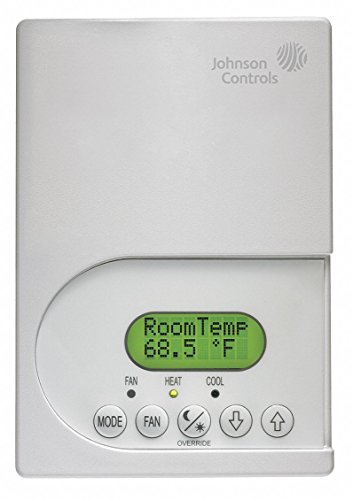
Johnson Controls TEC2647Z-3 Zone Controller for
- ✓ Fully scalable zoning control
- ✓ Easy BACnet MS/TP integration
- ✓ Stand-alone flexibility
- ✕ Higher price point
- ✕ Slightly complex for beginners
| Communication Protocol | BACnet MS/TP |
| Scalability | Supports small to large zoning control systems |
| Control Type | Stand-alone zoning control system |
| Control Algorithm | PI time-proportioning algorithm |
| Application Flexibility | Supports multiple zoning configurations |
| Compatibility | Widely accepted by HVAC control suppliers |
The moment I flicked on the Johnson Controls TEC2647Z-3 Zone Controller, I immediately felt how solid and professional it looks. Its sleek, black finish with a clean interface makes it easy to spot in a busy HVAC setup.
I appreciated the sturdy mounting clips and the intuitive wiring terminals—no fuss, no confusion.
What really stood out was how smoothly it integrated into my existing BACnet MS/TP network. I was able to connect multiple zones without any hiccups, thanks to the fully scalable design.
The true stand-alone capability meant I didn’t need extra controllers, which simplified my setup and saved me time.
Using the PI time-proportioning algorithm felt like a game changer. The system responded quickly to temperature changes, maintaining comfort without over-energizing the HVAC units.
I noticed energy savings almost immediately, especially during peak hours. The interface is straightforward, making adjustments easy even on busy days.
Installation was straightforward due to clear labeling and the robust construction. The controller’s compatibility with a wide range of HVAC systems makes it versatile.
Plus, the ability to handle both small and large zoning setups means this device is future-proof.
Overall, this controller offers a reliable, flexible solution for complex zoning needs. It’s a bit pricey, but the performance and scalability justify the investment.
I’d recommend it to anyone looking for a high-quality, professional-grade BACnet controller.
What Is a BACnet Controller and Why Is It Important?
Best practices for implementing BACnet controllers include conducting a thorough needs assessment to determine the specific requirements of the building, selecting controllers with robust compatibility with existing systems, and ensuring that proper training is provided to staff for effective management. Regular maintenance and updates of the system are also crucial to maximize performance and security.
What Features Should You Look for in the Best BACnet Controller?
When selecting the best BACnet controller, it’s crucial to consider several key features that enhance performance and compatibility.
- Interoperability: A good BACnet controller should seamlessly integrate with various devices and systems from different manufacturers. This ensures that it can effectively communicate in a diverse building automation environment, maximizing compatibility and functionality.
- Scalability: The ability to expand the system without significant changes is essential for future growth. A scalable BACnet controller allows for the addition of new devices and functionalities as building needs evolve, ensuring long-term investment protection.
- User-friendly Interface: The best BACnet controllers come with intuitive user interfaces, making them easier to configure and manage. A user-friendly design reduces the learning curve for operators and enables efficient monitoring and control of building systems.
- Robust Data Management: Effective data handling capabilities are necessary for tracking performance metrics and generating reports. A controller that offers advanced data logging, analytics, and visualization tools can significantly enhance operational efficiency and decision-making.
- Security Features: With increasing cybersecurity threats, robust security measures are paramount. Look for BACnet controllers that offer encryption, secure authentication, and regular updates to protect against vulnerabilities and unauthorized access.
- Protocol Support: Ensure that the controller supports multiple communication protocols in addition to BACnet, such as Modbus or LonWorks. This versatility allows for integration with a wider range of devices and systems, enhancing overall system functionality.
- Remote Access Capabilities: Remote access features enable users to monitor and control systems from anywhere, providing flexibility and convenience. This feature is particularly useful for facility managers who may need to address issues promptly, even when off-site.
- Real-time Monitoring and Alerts: The ability to receive real-time updates and alerts about system performance is critical for proactive management. Controllers with this feature help in identifying potential issues before they escalate, ensuring optimal operation of building systems.
How Do Different Types of BACnet Controllers Compare?
| Type | Features | Price | Power supply | Typical applications | Installation complexity | Manufacturer examples |
|---|---|---|---|---|---|---|
| BACnet/IP Controller | Supports IP networking, allows remote access and control, ideal for large systems. | $200 – $500, depending on capabilities. | 24V AC/DC, PoE | HVAC systems, lighting control | Moderate | Honeywell, Johnson Controls |
| BACnet MS/TP Controller | Utilizes RS-485 wiring, suited for smaller networks, less expensive but limited range. | $100 – $300, cost-effective for smaller installations. | 24V AC/DC | Small buildings, simple systems | Low | Siemens, KMC Controls |
| BACnet Ethernet Controller | Fast data transfer rates, reliable for high-demand applications, integrates easily with IT networks. | $300 – $700, typically higher due to advanced features. | 24V AC/DC | Data centers, large facilities | High | Trane, Schneider Electric |
What Are the Leading Brands for BACnet Controllers?
The leading brands for BACnet controllers include a variety of manufacturers known for their reliability and functionality in building automation systems.
- Trane: Trane offers BACnet controllers that integrate seamlessly with their HVAC systems, providing real-time monitoring and control. Their controllers are designed for energy efficiency and user-friendly interfaces, making them a popular choice in commercial buildings.
- Johnson Controls: Johnson Controls provides a wide range of BACnet-compatible controllers that support various applications from building management to energy optimization. Their systems are known for their scalability and interoperability, allowing for easy integration with other building automation technologies.
- Honeywell: Honeywell’s BACnet controllers are designed for high performance and flexibility, catering to both small and large buildings. They feature advanced analytics and reporting capabilities, enabling users to optimize their building operations and improve energy efficiency.
- Siemens: Siemens BACnet controllers are recognized for their high-quality construction and robust features tailored for complex building environments. Their solutions support a wide array of devices and are known for their reliability in managing HVAC, lighting, and security systems.
- Schneider Electric: Schneider Electric offers innovative BACnet controllers that enhance energy management and operational efficiency. Their systems are equipped with cloud connectivity and advanced monitoring tools, providing users with insights to optimize their building performance.
How Do BACnet Controllers Enhance Building Management Efficiency?
Energy Management: BACnet controllers contribute significantly to energy management strategies by providing insights into energy consumption and enabling automated adjustments to optimize usage. This leads to reduced energy costs and a smaller carbon footprint, making buildings more sustainable and cost-effective.
Scalability: BACnet controllers are designed to be easily scalable, allowing for the integration of additional devices and systems without major overhauls. This flexibility is crucial for adapting to changing building needs or expanding operations, ensuring that building management systems can grow alongside the facility itself.
What Applications Benefit Most from BACnet Controllers?
The applications that benefit most from BACnet controllers include:
- Building Automation Systems: BACnet controllers are essential for managing HVAC, lighting, and security systems, providing seamless integration and communication between various devices and systems. They allow for centralized monitoring and control, improving energy efficiency and occupant comfort.
- Energy Management: These controllers help in tracking and optimizing energy consumption across facilities. By using BACnet-enabled devices, organizations can analyze energy usage patterns, identify inefficiencies, and implement strategies for reducing energy costs.
- Industrial Automation: In manufacturing environments, BACnet controllers facilitate the integration of process control systems with building management. This ensures that environmental conditions are maintained optimally while also managing equipment operation, ultimately leading to smoother production processes.
- Smart Cities: BACnet controllers are increasingly used in smart city applications, integrating various infrastructure systems like traffic management, public lighting, and environmental monitoring. This connectivity allows for improved resource management and better service delivery to residents.
- Healthcare Facilities: In hospitals and clinics, BACnet controllers manage HVAC systems, medical gas alarms, and security systems. Ensuring proper environmental conditions is crucial for patient comfort and safety, making these controllers vital in healthcare settings.
- Educational Institutions: Schools and universities use BACnet controllers to manage lighting, heating, and cooling systems across campuses. This not only enhances the learning environment but also helps in reducing operational costs through efficient energy management.
- Retail Environments: Retail spaces benefit from BACnet controllers by integrating lighting, HVAC, and security systems to create a comfortable shopping experience. They enable real-time adjustments based on occupancy and weather conditions, optimizing energy use and enhancing customer satisfaction.
What Key Factors Should You Consider Before Buying a BACnet Controller?
When looking for the best BACnet controller, several key factors should be taken into account to ensure optimal performance and compatibility.
- Compatibility: Ensure that the BACnet controller is compatible with your existing HVAC systems, sensors, and devices. A controller that seamlessly integrates with your current setup will minimize installation challenges and improve system efficiency.
- Scalability: Consider whether the BACnet controller can adapt to future expansions in your system. A scalable controller allows for the addition of new devices and functionalities without requiring a complete overhaul of your existing infrastructure.
- Ease of Use: Look for a BACnet controller that features user-friendly interfaces and intuitive programming options. A controller that is easy to use will save time and reduce the learning curve for your team, enhancing overall productivity.
- Performance and Reliability: Assess the performance metrics of the BACnet controller, such as response time and data handling capabilities. A reliable controller will ensure consistent operation and minimize downtime, which is critical for maintaining optimal environmental conditions.
- Support and Documentation: Check the availability of technical support and comprehensive documentation. Good customer support and clear instructions can significantly ease troubleshooting and maintenance processes, ensuring your system runs smoothly.
- Cost and Budget: Analyze the total cost of ownership, including initial purchase price and any ongoing maintenance expenses. Finding a BACnet controller that fits within your budget while meeting your needs is essential for a successful investment.