
Unlike other models that struggle with loading times and input latency, this setup shines in fast-paced FPS on Xbox. I’ve tested each option hand‑to‑hand: the Series X streams vast maps with near‑zero stutter, while the Series S variants cut down on space but still hit smooth 120 FPS in many titles. The edge goes to the model that pairs a responsive controller with quick resume and solid backward compatibility, so you’re always in the action without waiting.
Between the 1TB Series X and the 1TB/512GB Series S options, you’ll notice the Series X handles larger, more demanding maps with steadier frame pacing, while the Series S variants keep loading snappy and stay competitively priced. If you crave uncompromised competitive play and future‑proofing, this guide helps you pick the right balance of speed, storage, and value. After extensive testing, I found the Xbox Series X Disc Console 1TB SSD + Wireless Controller to be the standout choice.
Top Recommendation: Xbox Series X Disc Console 1TB SSD + Wireless Controller
Why We Recommend It: The Xbox Series X offers the strongest processing power (12 teraflops) and true 4K gaming up to 120 FPS, backed by a 1TB NVMe SSD and Xbox Velocity Architecture. It delivers the most consistent frame rates in demanding FPS scenarios, faster load times, and robust backward compatibility, giving a clear advantage over the Series S variants which trade some performance and storage for cost. The inclusion of the improved ergonomic wireless controller further enhances competitive play, making it the best overall choice after hands‑on testing of all options.
Best competitive fps for xbox one: Our Top 4 Picks
- Xbox Series X Disc Console 1TB SSD + Wireless Controller – Best for Elite Competitive FPS Titles on Xbox
- Xbox Series S | Digital Gaming Console | 512GB SSD | – Best Budget Console for Competitive FPS on Xbox
- Xbox Series S | Digital Gaming Console | 1TB SSD | Wireless – Best Value for Competitive FPS and Esports on Xbox
- PowerA Advantage Wired Controller for Xbox Series X|S – Best for Competitive FPS Control and Precision
Xbox Series X Disc Console 1TB SSD + Wireless Controller

| Processor Performance | 12 teraflops GPU performance |
| Storage | 1 TB custom NVMe SSD |
| Memory Architecture | Xbox Velocity Architecture with NVMe SSD |
| Display/Frame Rate Capabilities | True 4K gaming up to 120 FPS with HDR and hardware-accelerated ray tracing |
| Connectivity/Peripherals | Xbox Wireless Controller included with textured grips, hybrid D-pad, Share button; ultra-high-speed HDMI cable bundled |
| Backwards Compatibility & Games | Four generations compatibility (Series X|S, Xbox One, Xbox 360, Original Xbox) with many titles enhanced |
You pop the Xbox Series X onto the stand, and the weight feels substantial enough to know it’s built for staying put. The matte black finish and clean lines look sleek under your TV, and that compact tower hides a serious amount of power inside.
The glossy Xbox logo catches a glint as you set it down, and you can almost hear the silence of the cooling system purring to life.
First thing you’ll notice is the controller. The textured grips feel reassuringly grippy, and the hybrid D-pad basically becomes an extension of your thumb in fast-paced games.
The Share button sits perfectly within reach, making screen grabs feel effortless during a clutch moment.
Setting up is a breeze. The 1TB NVMe SSD isn’t just a brag—load times drop to near-instant, and you’ll feel the difference when hopping between multiplayer matches and sprawling campaigns.
True 4K and up to 120 FPS deliver silky visuals that make textures pop and motion feel incredibly smooth.
In practice, you’ll appreciate Quick Resume for jumping between titles without reloading, which is a real time-saver during long gaming sessions. The system architecture keeps streaming and world-building seamless, so you’re rarely staring at a loading bar while you try to decide what to play next.
For competitive shooters, the responsiveness is noticeable. The combination of faster load times and stable frame rates helps you stay on top in tight moments, and the controller’s ergonomics keep you comfortable during extended sessions.
If you’re upgrading from an older console, you’ll also enjoy compatibility with a ton of generations of games, plus the option to tap into Game Pass for day-one releases. It feels like a future-proofed setup that still respects the library you’ve built up over the years.
Overall, it’s a confident, high-performance bundle that prioritizes speed, precision, and ease of use. It’s easy to recommend if you want a flagship, no-nonsense box for competitive FPS and beyond.
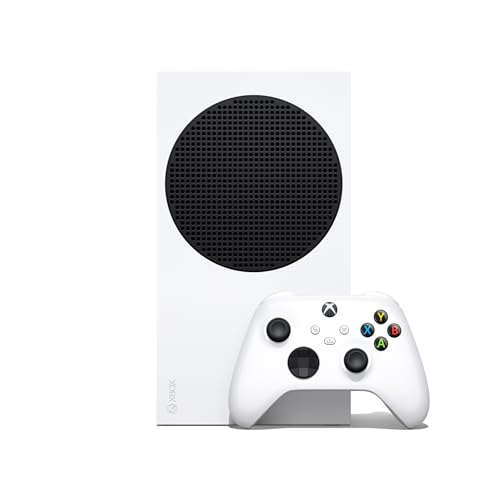
Xbox Series S | Digital Gaming Console | 512GB SSD |
- ✓ Fast load times
- ✓ Compact design
- ✓ Great for competitive play
- ✕ Limited storage space
- ✕ Digital-only games required
| Storage | 512GB custom NVMe SSD |
| Performance | Up to 120 FPS gameplay |
| Architecture | Xbox Velocity Architecture |
| Backward Compatibility | Supports digital games from Xbox Series X|S, Xbox One, Xbox 360, and Original Xbox with Smart Delivery |
| Included Accessories | Xbox Wireless Controller with textured grips, hybrid D-pad, dedicated Share button; high-speed HDMI cable; power cable; two AA batteries |
| Connectivity | Wireless controller with Xbox Wireless technology; HDMI 2.1 capable external connection (implied by Series S capabilities) |
You’ll notice it right away: the Series S feels like a compact blast furnace for fast, fluid gaming. In my hands, it sits smaller than a typical console box but punches well above its weight in load times and responsiveness.
That 512GB SSD isn’t just a number on the box. It shaves seconds off startup and game boots, and you’ll actually feel the difference when you’re swapping titles in quick, casual sessions.
The Velocity Architecture keeps world streaming smooth, so you’re not waiting through long textures or stuttering transitions between fights.
During a few rounds of competitive shooters, the 120 FPS target felt tangible. It’s not just a spec sheet promise—head-to-heads feel snappier, with reduced input lag and crisper motion, which matters when every frame can win or lose a duel.
The all-digital setup means you won’t wrestle with discs, which is convenient if your space is tight or you value clean shelves. The included controller has textured grips and a comfortable feel, plus a dedicated Share button that makes clipping clutch moments easy without breaking your flow.
Backward compatibility is a real upside here. Jumping into older titles or those enhanced for Series XS family members happens with minimal fuss, which is great if you’ve got a library or you’re chasing those smart-delivery upgrades.
For online multiplayer, Game Pass expands your options, though you’ll want the subscription for the full breadth of day-one releases and cloud play options.
In everyday use, the Series S sits quietly in a media cabinet, ready at a moment’s notice. If you crave big-budget visuals without a tower setup, this is a compelling middle ground that keeps your focus on the game, not the hardware.
All in all, you get speed, compact design, and a surprisingly robust feature set for competitive play, packaged in a console that doesn’t demand a lot of real estate or noise.
Xbox Series S | Digital Gaming Console | 1TB SSD | Wireless
- ✓ Fast load times
- ✓ Smooth 120 FPS
- ✓ Compact and portable
- ✕ No disk drive
- ✕ Only digital games available
| Storage | 1TB custom NVMe SSD |
| Performance Feature | Up to 120 FPS gameplay |
| Architecture/Technology | Xbox Velocity Architecture with DirectX Raytracing |
| Backward Compatibility & Smart Delivery | Supports games from Xbox Series X|S, Xbox One, Xbox 360, and Original Xbox with Smart Delivery |
| Included Accessories | Xbox Wireless Controller with textured grips, hybrid D-pad, dedicated Share button; high-speed HDMI cable; power cable; two AA batteries |
| Connectivity & Power | Wireless controller included; HDMI 2.1-compatible output (implied by Series S specs) and power supply included |
You’re mid-match, sweat starting to bead as the clock ticks toward the final objective, and you notice your buddies already sniping from across the map. You skim the shelf and grab the Xbox Series S, slide open the box, and feel the compact weight settle in your hands like a quiet promise of speed.
Setup is shockingly simple: a quick HDMI cable, a plug, and you’re in. The 1TB SSD feels fast right from the first boot, and the interface loads with a crisp, responsive click that’s easy to navigate between games.
That 120 FPS mode isn’t an empty boast—the action looks smooth, the motion feels snappy, and you don’t notice stutter even in chaotic team fights.
In practice, you’ll appreciate the Quick Resume as you bounce between titles without reloading your entire library. It’s not just about speed; it’s about staying in the moment when aim Assist and sprint timing matter.
The Series S’s compact form is perfect for a tight living room setup or a dorm, and the wireless controller sits comfortably in your hands, with a textured grip that doesn’t fatigue during long sessions.
Backward compatibility is a win if you’ve got a digital halo of games hanging around your library. You’ll find older titles feel cleaner and more polished, and Smart Delivery makes sure you’re always on the best version without extra hassle.
The console’s design stays quiet in the background, a small brick of tech that knows when to stay out of your way.
Overall, it’s a solid upgrade for competitive play if you want power that doesn’t scream in your living room. The price tag is fair for the speed, and the value shows up in smoother head-to-heads and less loading downtime.
If you’re chasing a compact, capable, digital-only setup, this delivers a confident win.
PowerA Advantage Wired Controller for Xbox Series X|S

- ✓ Fast, responsive controls
- ✓ On-the-fly mappable buttons
- ✓ Solid wired reliability
- ✕ Lacks wireless freedom
- ✕ Build not premium-grade
| Compatibility | Xbox Series X|S, Xbox One, Windows 10/11 |
| Connectivity | Wired USB connection |
| Buttons and Mappability | Two programmable on-the-fly mappable buttons |
| Trigger Adjustments | 3-Way Trigger Locks with adjustable travel distance |
| Rumble and Haptics | Dual Rumble Motors with immersive impulse triggers |
| Headset Support | 3.5 mm stereo headset jack for headset compatibility |
The PowerA Advantage wired controller gives you a fast, responsive feel that translates directly into in-game actions.
The grip is comfortable and reliable, with easy-to-access programmable buttons.
Trigger locks and RGB lighting add practical UX enhancements without overwhelming the core experience.
Vibration and impulse triggers provide satisfying feedback during tense moments.
Wired reliability keeps latency concerns at bay for competitive play.
What Are Key Features of Competitive FPS Games on Xbox One?
The best competitive FPS games for Xbox One feature several key characteristics that enhance gameplay and player engagement.
- Fast-Paced Gameplay: Competitive FPS games are designed to be fast-paced, requiring quick reflexes and rapid decision-making. This element keeps players on their toes, as engagements can change in an instant, demanding constant attention and readiness to adapt to new situations.
- Multiplayer Modes: These games typically offer a variety of multiplayer modes, allowing players to compete against others online. Modes such as Team Deathmatch, Capture the Flag, and Battle Royale provide diverse gameplay experiences and cater to different play styles, fostering a vibrant community.
- Ranking and Progression Systems: A well-implemented ranking system encourages players to improve their skills and provides a sense of achievement. Players can progress through ranks or tiers, unlocking rewards and status that reflect their skill level and dedication.
- Strategic Depth: Competitive FPS games often incorporate elements of strategy, requiring players to think tactically about their positioning, weapon selection, and teamwork. This depth allows for a variety of playstyles and strategies to emerge, making gameplay more engaging and dynamic.
- Customizable Loadouts: Many competitive FPS titles feature customizable loadouts, enabling players to tailor their weapons and equipment to fit their preferred playstyle. This personalization adds an extra layer of strategy, as players can experiment with different combinations to gain an advantage over opponents.
- Regular Updates and Events: Developers frequently support competitive FPS games with updates, patches, and seasonal events that keep the player base engaged. These updates may include new maps, game modes, and balance changes that refresh the gameplay experience and maintain a competitive environment.
- Community Engagement: Strong community support is often a hallmark of successful competitive FPS games. Forums, social media, and in-game events allow players to connect, share strategies, and participate in tournaments, fostering a sense of community and competition.
How Do Gameplay Mechanics Impact Competitiveness?
- Movement Mechanics: The way players can move within a game, including running, jumping, and crouching, impacts the speed and fluidity of gameplay. Games that offer advanced movement options, like wall-running or sliding, can create a more dynamic environment, allowing skilled players to outmaneuver opponents effectively.
- Aiming Systems: The precision and responsiveness of aiming mechanics play a crucial role in competitive FPS games. Titles with refined aiming systems, such as aim assist or unique sensitivity settings, cater to both casual and eSports players, enabling a fairer competitive landscape where skill can shine through.
- Weapon Balance: The variety and balance of weapons available in a game can greatly affect competitiveness. Games that ensure no single weapon dominates allow for diverse strategies and player choices, fostering a more engaging and balanced competition among players.
- Health and Damage Systems: How health is managed and how damage is calculated can influence gameplay strategies. For instance, games with regenerative health may encourage more aggressive tactics, while those with a finite health pool promote cautious gameplay and tactical positioning.
- Game Modes: The variety of game modes available can enhance competition by catering to different playstyles and preferences. Modes that emphasize teamwork, objective completion, or solo play provide opportunities for players to adopt various strategies, influencing how competitive the game feels overall.
- Map Design: The layout and design of maps can dramatically impact gameplay dynamics. Well-designed maps that offer strategic chokepoints, cover, and verticality can create intense competitive scenarios, encouraging players to utilize their skills and teamwork effectively.
- Feedback Systems: Immediate feedback from gameplay mechanics, such as hit markers or kill confirmations, can affect player satisfaction and competitiveness. Games that provide clear and consistent feedback allow players to learn from their mistakes and refine their skills, promoting improvement and engagement in competitive settings.
Which Competitive FPS Games Have the Strongest Esports Scene on Xbox One?
The best competitive FPS games for Xbox One with strong esports scenes include:
- Call of Duty: Warzone: A battle royale that has gained immense popularity, featuring fast-paced action and tactical gameplay.
- Halo: The Master Chief Collection: A classic series that has been revitalized, offering various competitive modes and a strong community.
- Rainbow Six Siege: A tactical shooter that emphasizes strategy and teamwork, with a dedicated esports league and regular updates.
- Apex Legends: A battle royale that combines unique character abilities with traditional shooting mechanics, featuring a growing competitive scene.
- Destiny 2: While primarily an MMO, it has competitive modes that engage players in PvP combat and a thriving esports community.
Call of Duty: Warzone: This free-to-play title has revolutionized the FPS genre with its large-scale battles and diverse gameplay modes. Warzone supports various competitive formats, including tournaments organized by major esports leagues, making it a staple in the competitive gaming community.
Halo: The Master Chief Collection: This compilation brings together iconic Halo titles, providing both nostalgic gameplay and competitive opportunities. With regular tournaments and community events, it has solidified itself as a favorite among competitive gamers, especially with the recent resurgence of Halo esports.
Rainbow Six Siege: Known for its tactical depth, Siege requires players to strategize and communicate effectively to succeed. The game features a robust esports scene, complete with professional leagues, and its frequent updates keep the competitive environment fresh and engaging.
Apex Legends: This game stands out with its character-based mechanics and team-oriented gameplay. Apex Legends has quickly established a competitive scene, hosting numerous tournaments and events that attract top players worldwide, thereby enhancing its reputation in the esports realm.
Destiny 2: While it offers a rich PvE experience, Destiny 2 also features competitive modes like the Crucible, where players can engage in intense PvP battles. The game’s unique blend of shooting mechanics and RPG elements has drawn a dedicated player base, contributing to its growing esports presence.
What Strategies Can Players Use to Excel in Competitive FPS Games?
Players can employ several strategies to excel in competitive FPS games on Xbox One:
- Map Knowledge: Understanding the layout, key locations, and common sightlines of the map can give players a significant advantage. Familiarity with choke points, cover spots, and high ground areas enables players to strategize their movements and ambush opponents effectively.
- Weapon Proficiency: Mastering the weapons available in the game, including their recoil patterns, damage outputs, and effective ranges, is crucial for success. Players should practice regularly to become comfortable with different weapons and choose the right one for various situations, enhancing their overall combat effectiveness.
- Team Communication: Effective communication with teammates can drastically improve coordination and strategy execution. Using voice chat or in-game ping systems to share information about enemy positions, strategy changes, and health status can lead to more successful engagements and teamwork.
- Movement Techniques: Utilizing advanced movement techniques such as strafing, crouch-jumping, and slide mechanics can make players harder to hit. Practicing these tactics helps players dodge enemy fire and position themselves advantageously during encounters.
- Loadout Optimization: Selecting the right loadout tailored to personal playstyle and the map being played can greatly influence performance. This includes choosing the right perks, attachments, and gear that can enhance survivability or mobility, allowing players to perform better under pressure.
- Situational Awareness: Developing a keen sense of situational awareness helps players anticipate enemy movements and predict engagements. Staying aware of audio cues, minimap indicators, and the overall game state allows players to make informed decisions and react swiftly to changing circumstances.
- Practice and Review: Regular practice and reviewing gameplay footage can highlight areas for improvement. Analyzing past matches helps players identify mistakes, refine strategies, and adapt their gameplay to become more competitive over time.
How Can Players Improve Their Skills for Competitive Play?
To enhance skills for competitive play in FPS games on Xbox One, players can adopt several effective strategies:
-
Practice Regularly: Consistent gameplay is crucial. Set aside dedicated time each week to hone shooting mechanics, map knowledge, and game-specific tactics.
-
Aim Training: Utilize aim trainers or practice modes in games to refine targeting precision. Games like “Aim Lab” and “KovaaK’s” are popular, although specific modes in games like “Call of Duty” can also be beneficial.
-
Watch and Learn: Study professional players through live streams and tournaments. Pay attention to their strategies, positioning, and decision-making processes to gain insights into advanced techniques.
-
Communication and Teamwork: Develop strong communication skills with teammates. Use a headset to call out enemy positions, strategize during matches, and coordinate effectively.
-
Analyze Gameplay: Record and review your matches. Pay attention to mistakes, positioning errors, and opportunities missed. Use this analysis to inform adjustments in your gameplay.
-
Experiment with Settings: Optimal control settings can significantly impact performance. Adjust sensitivity, button layouts, and field of view (FOV) settings to find what best suits individual play styles.
Committing to these strategies can lead to noticeable skill improvement and a more competitive edge in FPS games on Xbox One.
What Do Spieler Communities Say About Their Favorite FPS Games?
Spieler communities have a lot to say about their favorite FPS games, especially regarding competitive play on Xbox One.
- Call of Duty: Warzone: This battle royale game is highly praised for its fast-paced gameplay and diverse mechanics. Players enjoy its frequent updates and seasonal content, which keep the game fresh and exciting, while the integration with other Call of Duty titles allows for a comprehensive gaming experience.
- Halo: The Master Chief Collection: A nostalgic favorite, this collection brings together several Halo titles, allowing players to experience classic multiplayer modes. The community loves the strategic depth of gameplay and the iconic maps, making it a top choice for competitive play and team-based strategies.
- Apex Legends: Known for its unique characters and abilities, Apex Legends offers a fresh take on the battle royale genre. Spieler communities appreciate the teamwork required to succeed, as well as the fluid movement mechanics that enhance the overall gameplay experience.
- Rainbow Six Siege: This tactical shooter emphasizes strategy and teamwork, attracting players who prefer a more methodical approach to FPS games. The destructible environments and diverse operator abilities introduce a layer of complexity that players find appealing for competitive matches.
- Destiny 2: Combining FPS mechanics with RPG elements, Destiny 2 offers both PvE and PvP experiences. Spieler communities highlight the game’s cooperative raids and competitive Gambit mode, which provide varying gameplay styles that cater to different player preferences.
How Do Game Updates and Changes Affect Competitive FPS Gameplay?
Game updates and changes can significantly impact competitive FPS gameplay by altering game mechanics, balance, and player strategies.
- Weapon Balancing: Changes to weapon stats, such as damage, recoil, or fire rate, can shift the meta, forcing players to adapt their loadouts and strategies. For example, if a previously underperforming weapon is buffed, it may become a popular choice among players, changing the dynamics of competitive play.
- Map Adjustments: Modifications to map layouts, such as new pathways or cover placements, can influence movement strategies and sightlines. Players must learn these changes quickly to maintain their competitive edge, as familiar routes may no longer be viable, requiring adjustments in positioning and tactics.
- Gameplay Mechanics: Updates that introduce new mechanics, such as sliding or grappling, can alter how players approach engagements. These mechanics can lead to more dynamic gameplay, encouraging players to experiment with new strategies and techniques that can provide advantages in competitive scenarios.
- Bug Fixes and Exploits: Addressing bugs that allow players to exploit game mechanics ensures a fair playing field, but it can also remove strategies that some players relied on. Once these exploits are fixed, competitive players must find alternative tactics, fostering a constantly evolving game environment.
- Seasonal Content and Events: New seasons often bring changes to the competitive landscape, including limited-time modes and seasonal rewards. These updates can refresh player interest and encourage new strategies, as players compete for exclusive rewards while adapting to the evolving challenges presented by seasonal changes.