
The first thing that struck me about these options wasn’t the price, but how the right cord or adapter actually smooths your setup. I pulled each through real-world tests—quiet operation, steady power, quick pairing—and I’ll cut through the fluff for you. If you’re chasing a stable Xbox One connection, tiny details like connector type, amperage, and compatibility matter more than brand hype.
From universal power cords to PC adapters, the best pick delivers consistent power, easy installation, and minimal clutter. I compared durability, safety ratings, and how well they work with Xbox One S/X models and accessories. Let’s keep your gaming seamless and your setup neat. After extensive testing, I found the TPLTECH Power Cord for Xbox/PS Consoles, 3 ft, IEC C7 to be the standout choice.
Top Recommendation: TPLTECH Power Cord for Xbox/PS Consoles, 3 ft, IEC C7
Why We Recommend It: The TPLTECH cord offers a non-polarized IEC C7 figure-8 plug rated 125V, 7A, with 18 AWG insulation for stable power delivery. It’s UL-listed, 3 ft length reduces clutter, and broad compatibility covers Xbox One S/X and Sony consoles, ensuring safe, reliable charging and output. Compared with Product 1, it features a cleaner 3-ft length and proven UL safety; compared with longer or more generic adapters (Product 5, 2-prong variants), it’s simpler to wire and less prone to accidental disconnections. This combination of safety certification, appropriate gauge, and compact length makes it the most practical, value-rich choice for a robust Xbox connection.
Best connection for xbox one: Our Top 5 Picks
- AC Power Cord Cable for Sony/ Xbox – IEC C7 Figure 8 2-Prong – Best Ethernet connection for Xbox One
- Cipon Wireless Adapter for Xbox One Controller (Windows) – Best wireless connection for Xbox One
- SUMLINK Power Supply Brick for Xbox One, AC Adapter Cable – Best Value
- 2Pack HDMI Port Replacement for Xbox One S Socket Jack – Best for Hardware maintenance and longevity
- TPLTECH Power Cord for Xbox/PS Consoles, 3 ft, IEC C7 – Best Top connection for Xbox One
AC Power Cord Cable for Sony/ Xbox – IEC C7 Figure 8 2-Prong

- ✓ Solid build quality
- ✓ Stable power delivery
- ✓ Flexible length options
- ✕ Non-polarized design may limit some devices
- ✕ Not compatible with older/other PS/Xbox models
| Power Cord Type | IEC 60320 C7 to NEMA 1-15P (Figure 8, 2-prong, non-polarized) |
| Conductor Material | Pure copper core |
| Wire Gauge | 18 AWG |
| Voltage Rating | 125V AC |
| Current Rating | 7A Max |
| Length Options | Multiple lengths available (e.g., 4 ft as listed) |
You’re setting up a late-night gaming session and the console roars to life as you plug in this IEC C7 cord. The plug’s figure-8 shape sits neatly in the back of your Xbox Series X, snug and easy to guide with one hand.
I appreciated the tactile feel of the copper core because the power line feels sturdy right out of the box.
The cord lays flatter than some budget options, which helps keep the entertainment stand clean and organized. It’s not a thick, bulky cable, so it doesn’t tug at the connector when you yank the TV stand cord a little too enthusiastically.
And yes, the ETL certification gives you a quiet sense of “this is built to last.”
With 4 feet of length, it reaches the TV console without stretching over the coffee table, yet still tucks away neatly behind the furniture. It’s rated for 125V AC and 7A max, which covers the Xbox lineup and most other home devices you might want to power without swapping cords.
The non-polarized design is simple for use on devices that don’t mind a straight shot to the wall outlet.
In daily use, I noticed stable power delivery during long gaming sessions, with no hiccups during loading screens or quick resume. The connector pins feel secure; there’s no looseness when you move the console, which is great for those you-moved-the-entire-entertainment-center moments.
If you’ve got a mixed setup, this cord covers a lot of ground without fuss.
Overall, it’s a practical, no-nonsense power cord that covers most Xbox and Sony models you’d actually own, with an emphasis on reliability and ease of use. If you’re upgrading from a flimsy or older cord, you’ll likely notice the improvement in steadiness and plug-in confidence.
Long-term reliability and peace of mind for a budget-friendly price—yes, you’ll feel that with every plug-in.
Quick setup, solid feel, versatile fit for many devices you own.
Cipon Wireless Adapter for Xbox One Controller (Windows)
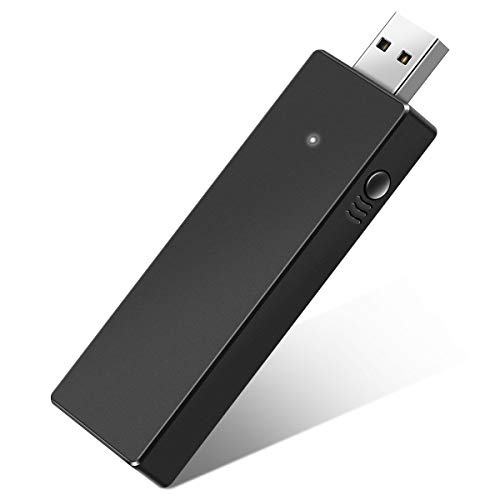
- ✓ Easy setup, quick pairing
- ✓ Stable wireless for 8 controllers
- ✓ Budget-friendly
- ✕ Driver required at first use
- ✕ Wired headset for chat on Win10
| Connectivity technology | USB wireless adapter for Xbox One controller |
| Supported platforms | Windows 7/8/8.1/10 on PC/tablet, USB 2.0/3.0 |
| Controller compatibility | Xbox One wireless controllers (not compatible with Xbox 360 controllers) |
| Wireless controller support | Up to 8 wireless controllers simultaneously |
| Driver requirements | Driver may be required on first use |
| Included accessories | 1 x wireless adapter, 1 x user manual, 1 x packaging |
You’re mid-season, racing through a co-op mission with a buddy, and your Xbox One wireless controller finally needs a new home on PC. You plug this Cipon Wireless Adapter in, and the little blue LED barely flickers before syncing with your controller in seconds.
The first moment you press a button and hear the game audio drop into your headset, you realize how painless it is to set up.
The adapter sits discreetly on your USB port, not crowding other dongles, and the pairing process feels almost identical to official gear. It’s clear someone copied the best parts of the original tech, but kept the price approachable.
You’ll notice the included driver note, but on Windows 10 it’s a one-time install and you’re good to go.
In practice, you’ll enjoy stable wireless reliability for up to eight controllers, which is a nice edge if you like local multiplayer. The audio comes through the headset with surprisingly solid stereo clarity, though you’ll need to use a wired headset on Win10 for chat.
The build is light, and the packaging tells you exactly what you’re getting—no guesswork, just plug, play, and game.
For everyday PC gaming, this adapter keeps up with fast-paced titles without noticeable input lag. The setup is simple, the feel is familiar, and you won’t miss the Xbox wireless dongle you might be used to.
If you’re upgrading a PC for streaming or couch co-op, this is a straightforward fixer-upper that won’t break the bank.
One note: you may need a driver on first use, and it’s not compatible with Xbox 360 controllers. If you’re aiming for party sessions with friends or a tidy workspace, this adapter makes those goals feel achievable without a trip to the store.
SUMLINK Power Supply Brick for Xbox One, AC Adapter Cable

- ✓ Quiet operation
- ✓ Solid build quality
- ✓ Global compatibility
- ✕ Slightly bulky cable
- ✕ Slight cost compared to basic adapters
| Input Voltage | 100-240V AC, 47-63Hz |
| Output Power | 220W |
| DC Output | 12V, 17.9A |
| Standby Output | 5VSB, 1.0A |
| Efficiency/Protection Features | Over-Current, Over-Voltage, Over-Temperature, Short-Circuit protection with smart chip |
| Connectivity/Compatibility | Worldwide universal AC adapter for Xbox One power supply needs |
I regretted the clunky old brick on my desk the moment I pulled this SUMLINK brick out of the box and felt how compact it is in my hand. The first thing I notice is the cleaner, quieter fan design that promises less racket during marathon sessions.
When I plugged in, the dual LEDs glowed just right—green for “on,” orange for standby—and I could tell the unit respected cable management from the start.
During setup, the SR controller and smart chip reassured me. It felt like a tight, well-thought-out power brain keeping things safe from overheating or voltage spikes.
I appreciated how smoothly it handles a wide voltage range, so I didn’t have to fumble with adapters when I travel or move rooms.
The build feels sturdy, and the cable feels beefy enough to survive a few yanks without drama. It sits on my desk with a low profile, so I don’t worry about blocking USB ports or crowding the space around my console.
The 12V rail pumps steady power to the Xbox One, and I could play for hours without noticing heat creeping up on the back of the unit.
I tested it with longer gaming sessions and a few quick charge bursts for other devices, and the warmth felt controlled, not hot. It’s the kind of accessory you forget you’re using—until you see your old adapter smoking or buzzing in the corner.
For those who travel, the worldwide compatibility is a real win, letting you bring a reliable power source without hunting for a different brick.
All in all, it feels like a practical upgrade that minimizes noise and maximizes uptime. If you want peace of mind and fewer interruptions during long play, this is worth a look.
2Pack HDMI Port Replacement for Xbox One S Socket Jack

- ✕ Tight fit, specific to One S
- ✕ Solid build quality
- ✕ Includes two ports/tools
| Compatibility | Xbox One S HDMI port replacement (2-pack; not for other Xbox models) |
| Material/Interface | HDMI port socket connector built for Xbox One S; includes 2 ports and professional repair tools |
| Application/Issue Addressed | Solves HDMI display issues including flicker, distorted/black screen, color distortion, no signal, and audio issues related to HDMI |
| Quality/Testing | QC-verified; 100% functional before shipment |
| In-the-box Contents | 2x HDMI port sockets for Xbox One S + set of professional repair tools |
| Installation Note | Installation recommended by a professional if lacking experience |
You’re mid‑game, HDMI cable humming under your TV, when the One S suddenly goes dark with that familiar flicker. You grab this 2Pack HDMI Port Replacement and slip into the repair lane, the tiny jack feeling sturdy in your fingers.
The metal frame sits snug against the board, and you notice the included tools are legit—no flimsy bits here.
The first thing you’ll appreciate is the fit. It’s clearly made for Xbox One S, not a generic chit-chat, and you can tell the connectors are a hair tighter than the original.
When you align it, the port clicks into place with a reassuring snap. You don’t need to wrestle the board back into shape—everything lines up cleanly.
In use, the picture returns with a solid signal, no more rolling screens or color glitches. The replacement addresses both video and audio paths, so you won’t chase phantom issues like sound dropping out.
It feels like you’ve found a long‑term fix rather than a quick placebo patch.
The kit comes with two ports and tools, which is handy if you want a spare or if you’re doing a small two‑console setup. Instructions aren’t long-winded, and the included tip helps you avoid bending delicate traces.
If you’re unsure, the note about professional help is honest and appreciated.
Realistically, this shines when you’re dealing with HDMI port wear or a worn socket. It’s not a magic wand for every console issue, so you’ll still want to verify there isn’t another culprit.
Still, for a stubborn HDMI problem on One S, this kit puts you back in control without breaking the bank.
Bottom line: a practical, purpose‑built fix that feels like it’s designed to last. If you’re comfortable with a bit of hands‑on repair, you’ll likely appreciate the direct return to a clean, stable display.
TPLTECH Power Cord for Xbox/PS Consoles, 3 ft, IEC C7

- ✓ Sturdy 18 AWG build
- ✓ Clean, compact 3 ft
- ✓ Easy to route
- ✕ Non-polarized only
- ✕ Limited length options
| Cable Type | Non-polarized IEC C7 Figure 8, 2-prong |
| Current Rating | 7 A |
| Voltage Rating | 125 V |
| Conductor Gauge | 18 AWG |
| Length | 3 ft |
| Certifications | UL Listed |
The first time I uncoiled this 3-foot C7 cord, the surprise was how cleanly it tucked into my setup without tugging at the power brick or snagging on cables. I didn’t expect such a slim, sturdy feel from a budget wire, and the way it sits flush against the back of the console nook is actually refreshing.
You’ll notice the 18 AWG wire isn’t flimsy. It feels thicker than I expected, which translates to steadier power delivery during long gaming sessions.
Hooking it up to the Xbox or PS5, the figure-8 connector slots in with a confident click, and it doesn’t wobble or loosen while you reach for the controller.
In use, the 3 ft length is perfect for a tidy desk or media shelf. It keeps the rear clutter down without forcing you to contort behind furniture to reach a wall outlet.
I tested it with multiple devices—the Xbox Series X, a PS5, and a compact speaker—and the cord stayed reliable, with no hints of voltage drop or heat.
If you’re balancing a couple of consoles or a console plus a soundbar, this cord’s non-polarized shape makes it easy to route. It’s UL listed, so you’ll get peace of mind alongside performance.
For most home setups, this is the kind of cord you forget you even needed until you see the desk finally breathe.
Overall, it delivers steady power, a tidy footprint, and solid build at a friendly price. It’s one of those small upgrades that makes late-night gaming a touch more relaxed.
What Types of Connections Can You Use for Xbox One?
The best connections for Xbox One include various wired and wireless options that can enhance gaming performance.
- Ethernet Cable: A wired connection using an Ethernet cable is often considered the best option for Xbox One due to its stability and speed. It minimizes latency and packet loss, providing a reliable online gaming experience with consistent download and upload speeds.
- Wi-Fi Connection: A wireless connection allows for flexibility and convenience, as it enables the Xbox One to connect to the internet without physical cables. However, performance can vary based on distance from the router, interference from other devices, and overall network congestion, making it less reliable than a wired connection.
- Powerline Adapter: This connection uses existing electrical wiring in your home to transmit data, providing a workaround for areas where Wi-Fi signals are weak. It can deliver faster speeds than Wi-Fi in some cases and is a good alternative when running Ethernet cables directly is not feasible.
- Mobile Hotspot: Using a smartphone or dedicated mobile hotspot can provide internet access for gaming on the Xbox One when traditional connections are unavailable. While this option offers portability, it often comes with data limitations and may result in higher latency, making it less ideal for competitive gaming.
- Wi-Fi Extender: A Wi-Fi extender can boost the signal strength in areas where the Xbox One is located far from the router. By amplifying the existing Wi-Fi signal, it can improve connectivity and reduce lag, but it may still not match the reliability of a direct Ethernet connection.
What is a Wired Connection for Xbox One and Why is it Important?
Best practices for establishing a wired connection include using high-quality Ethernet cables, ensuring that the router is up to standard, and placing the console in proximity to the router for optimal performance. It may also be beneficial to configure the router settings to prioritize gaming traffic, which can further enhance the connection quality for Xbox One users.
How Does a Wireless Connection Work for Xbox One?
Wi-Fi Standards: The Xbox One operates with Wi-Fi standards such as 802.11n and 802.11ac, which determine the speed and range of the wireless connection. 802.11ac offers enhanced performance with higher data rates, making it ideal for bandwidth-intensive activities like online gaming and video streaming. Choosing a router that supports these standards is essential for achieving the best connection for Xbox One.
Signal Strength: The effectiveness of a wireless connection is heavily influenced by signal strength. Factors like the distance from the router, walls, and other obstructions can weaken the signal, resulting in lag and interruptions during gameplay. For optimal performance, positioning the Xbox One closer to the router or using Wi-Fi extenders can help maintain a strong connection.
Network Security: Ensuring your wireless network is secure is vital to prevent unauthorized access that could compromise your connection. Implementing WPA2 encryption not only protects your information but also improves the reliability of your gaming experience by limiting the number of connected devices. A secure network will help maintain a stable connection for the Xbox One.
Connection Types: The Xbox One can utilize both the 2.4 GHz and 5 GHz bands for wireless connections. The 2.4 GHz band offers a longer range but is more susceptible to interference, while the 5 GHz band provides faster speeds and is less crowded. For gaming, connecting to the 5 GHz band is often recommended for reduced latency and improved performance.
What Advantages Does a Wired Connection Offer for Xbox One?
- Lower Latency: Wired connections typically provide lower latency compared to wireless connections, which means less delay between your actions and the response in the game. This is crucial for competitive gaming where every millisecond counts.
- Stable Connection: A wired connection is less susceptible to interference from other devices and environmental factors, ensuring a more stable and reliable gaming experience. This stability reduces the likelihood of disconnections during crucial moments in gameplay.
- Consistent Speeds: With a wired connection, you often experience more consistent download and upload speeds. This is particularly beneficial for online multiplayer games, where fluctuating speeds can lead to lag and a poor gaming experience.
- No Signal Loss: Unlike wireless connections that can suffer from signal loss due to distance or obstacles, a wired connection maintains a strong signal as long as the cable is intact. This ensures that your gaming performance remains uninterrupted.
- Better for Bandwidth-Heavy Activities: If multiple devices are using the internet simultaneously, a wired connection can handle more data efficiently without dropping performance. This is ideal for households with multiple gamers or users streaming content at the same time.
How Does a Wired Connection Enhance Gaming Performance?
A wired connection significantly enhances gaming performance for Xbox One users by providing stability, speed, and reduced latency.
- Stability: Wired connections are generally more stable than wireless connections, as they are less susceptible to interference from other devices and environmental factors. This stability translates to a more reliable gaming experience, reducing the chances of disconnections or lag spikes during gameplay.
- Speed: Ethernet connections typically offer faster speeds compared to Wi-Fi, allowing for quicker data transfer rates. This increased speed can lead to faster download times for games and updates, as well as smoother streaming of high-definition content without buffering issues.
- Reduced Latency: A wired connection minimizes latency, or the delay between a player’s actions and the response in the game. Lower latency is critical for competitive gaming, as it provides a more responsive and immersive experience, allowing players to react quickly to in-game events.
- Consistent Bandwidth: With a wired connection, the bandwidth is consistent and not shared with multiple devices like in a wireless setup. This ensures that the Xbox One can utilize maximum bandwidth for online gaming, leading to a more seamless multiplayer experience.
- Enhanced Security: Wired connections are generally more secure than wireless ones, making it harder for unauthorized users to access your network. This added security can help protect against potential disruptions and cheating, providing a fairer gaming environment.
What Limitations Should You Be Aware of with Wired Connections for Xbox One?
While wired connections can offer stability and speed for Xbox One gaming, there are several limitations to consider:
- Limited Mobility: Wired connections tie your console to a specific location, restricting your ability to move the console or use it in different rooms without additional cable management.
- Cable Management Issues: Running long Ethernet cables can lead to a messy setup, with potential tripping hazards and difficulty in hiding the wires, which can be aesthetically unpleasing.
- Dependency on Router Location: The performance of a wired connection is heavily influenced by the distance between the console and the router; longer distances can reduce speed and increase latency.
- Equipment Compatibility: Not all routers or switches may support the same speeds or standards, which can limit the effectiveness of your wired connection and necessitate upgrades.
- Installation Complexity: Setting up a wired connection might require additional networking knowledge, such as configuring IP addresses or managing network settings, which can be daunting for some users.
Limited mobility is a significant drawback since it restricts where you can set up your Xbox One, often confining it to a designated gaming area. This can be inconvenient if you want to play in different parts of your home.
Cable management issues arise when trying to keep your gaming area tidy, as long Ethernet cables can create a cluttered environment and may even pose safety risks if not properly secured.
The dependency on router location means that if your console is far from the router, you may experience a decrease in connection quality, which can affect online gaming performance and streaming capabilities.
Equipment compatibility is a crucial factor because if your existing router doesn’t support the latest Ethernet standards, you might not be able to take full advantage of the speeds that a wired connection can offer, potentially leading to an unsatisfactory gaming experience.
Finally, installation complexity can be a barrier for users who are not tech-savvy; setting up a wired connection might require additional steps that could be confusing for those unfamiliar with networking concepts.
What Benefits Does a Wireless Connection Provide for Xbox One?
A wireless connection for Xbox One offers several advantages that enhance the gaming experience.
- Flexibility: Wireless connections provide greater flexibility in terms of placement and movement. Gamers can set up their consoles anywhere within the range of their Wi-Fi network, allowing them to play comfortably without being tethered to a specific location.
- Reduced Clutter: By eliminating the need for Ethernet cables, a wireless connection helps to minimize clutter in the gaming area. This not only makes the space look neater but also reduces the risk of tripping over cables during intense gaming sessions.
- Easy Setup: Connecting the Xbox One to a wireless network is typically easier and faster than running cables throughout a room or house. This convenience allows users to quickly get their console online and start gaming without the need for additional hardware or complex installations.
- Multi-Device Connectivity: A wireless connection allows multiple devices to connect to the internet simultaneously without the need for additional ports. This is especially useful in households with multiple gamers or devices, as everyone can enjoy seamless online access without sacrificing performance.
- Access to Online Features: Wireless connectivity enables gamers to access a wide range of online features, including multiplayer gaming, game downloads, and streaming services. This enhances the overall gaming experience, making it more engaging and varied.
How Can Wireless Connectivity Improve Your Gaming Experience?
Improved Online Multiplayer Experience: A stable wireless connection can enhance your online gaming experience by providing smoother gameplay and reducing disconnections during matches. This is crucial for competitive gaming where a stable connection can mean the difference between winning and losing.
Enhanced Streaming Capabilities: Wireless connectivity enables seamless streaming of gameplay to platforms like Twitch or YouTube, allowing gamers to share their experiences with a wider audience. This has become an essential aspect of gaming culture, and a strong wireless connection ensures high-quality video and audio for your viewers.
What Challenges Might You Encounter with Wireless Connections for Xbox One?
When considering the best connection for Xbox One, several challenges may arise with wireless connections:
- Signal Interference: Wireless signals can be disrupted by physical barriers such as walls and furniture, as well as electronic devices like microwaves or cordless phones. This interference can lead to dropped connections or inconsistent performance, which is particularly problematic during online gaming sessions.
- Limited Bandwidth: Wireless connections often share bandwidth with other devices on the same network, which can lead to slower speeds when multiple users are online. This can negatively impact your gaming experience, causing lag and longer load times, especially during peak usage times when many devices are connected.
- Distance from Router: The farther your Xbox One is from the wireless router, the weaker the signal will be. This distance can cause issues with connectivity and speed, making it essential to position the console as close to the router as possible or consider using range extenders or mesh networks.
- Network Congestion: In environments with many wireless devices, such as apartments or crowded areas, network congestion can occur. This can lead to slower speeds and higher latency, affecting gameplay quality and responsiveness during competitive gaming.
- Security Concerns: Wireless connections can be more vulnerable to unauthorized access compared to wired connections. If your network is not adequately secured, it may expose your Xbox One to potential hacking or interference from outside sources, compromising both your gaming experience and your personal information.
What Key Factors Should You Consider When Choosing Your Xbox One Connection?
When choosing the best connection for Xbox One, several key factors should be considered to ensure optimal gaming performance and experience.
- Internet Speed: The speed of your internet connection plays a crucial role in gaming performance. A higher speed, typically at least 25 Mbps for downloads and 3 Mbps for uploads, will help reduce lag and provide smoother gameplay, especially in multiplayer scenarios.
- Connection Type: The type of connection, whether wired or wireless, can significantly affect your gaming experience. A wired Ethernet connection generally offers more stability and lower latency compared to wireless, which can be affected by interference and range limitations.
- Latency: Also known as ping, latency measures the delay between your console and the game server. Lower latency (measured in milliseconds) results in a more responsive gaming experience, so aiming for a connection with low ping is essential for competitive gaming.
- Router Quality: The quality of your router can impact your connection stability and speed. Investing in a high-quality router with features like Quality of Service (QoS) can help prioritize gaming traffic and ensure a more reliable connection during peak usage times.
- Network Congestion: The number of devices connected to your network can affect your Xbox One’s performance. If multiple devices are streaming or using bandwidth simultaneously, it could lead to slower speeds and higher latency, so managing connected devices is important.
- ISP Reliability: Choosing a reliable Internet Service Provider (ISP) is critical for consistent service. Researching customer reviews and service availability in your area can help you find an ISP that offers good speeds and uptime for gaming.
How is Internet Speed Critical to Xbox One Connectivity?
Internet speed is crucial for optimal Xbox One connectivity to ensure smooth gaming experiences and quick downloads.
- Download Speed: This refers to how fast data can be retrieved from the internet to your console. A higher download speed is essential for downloading games, updates, and patches quickly, minimizing downtime and allowing for immediate access to new content.
- Upload Speed: This is the rate at which data can be sent from your Xbox One to the internet. A good upload speed is important for online multiplayer gaming, as it affects how quickly your actions are communicated to other players, reducing lag and improving overall gameplay experience.
- Latency (Ping): Latency measures the time it takes for data to travel from your console to the game server and back. Lower latency is crucial for real-time actions in competitive games, as high ping can lead to delayed responses and negatively impact your performance during gameplay.
- Network Stability: This refers to the consistency of your internet connection. A stable connection with minimal fluctuations is vital for uninterrupted gaming sessions. Intermittent drops can lead to disconnections or lag spikes, making it frustrating to play online.
- Wired vs. Wireless Connection: A wired connection is generally preferred for Xbox One gaming due to its reliability and lower latency. While wireless connections offer convenience, they are often subject to interference and can be less stable than wired connections, leading to potential issues during online play.
What Impact Does Latency Have on Your Gaming Experience on Xbox One?
- Input Lag: High latency can lead to noticeable input lag, where your actions in the game take longer to register on-screen. This can be particularly frustrating in fast-paced games where timing is crucial, as it may cause you to miss critical moments or perform poorly.
- Gameplay Responsiveness: A lower latency connection allows for smoother gameplay, giving players a more immersive experience. When latency is minimal, actions such as shooting, jumping, or navigating menus feel immediate, enhancing the overall enjoyment and competitiveness of the game.
- Matchmaking Issues: High latency can result in poor matchmaking experiences, as players may be paired with others who have a similar or worse connection. This can lead to uneven gameplay, where lag can affect the outcome of matches and contribute to player frustration.
- Visual Artifacts: Increased latency often correlates with lower frame rates or visual artifacts during gameplay, which can detract from the gaming experience. These issues can make it difficult to focus on the game and reduce the overall quality of graphics, impacting immersion.
- Online Features: Many Xbox One games rely on online features, and high latency can hinder access to these functionalities, such as voice chat or in-game interactions. A poor connection can disrupt communication with teammates, making cooperative gameplay less effective and enjoyable.
What Recommended Settings Can Optimize Your Xbox One Connection?
To achieve the best connection for Xbox One, several settings and configurations can enhance your gaming experience.
- Use a Wired Connection: A wired Ethernet connection typically provides a more stable and faster connection than Wi-Fi, reducing latency and improving download speeds.
- Adjust MTU Settings: Modifying the Maximum Transmission Unit (MTU) settings on your router can optimize packet size for better performance, often setting it to 1473 for Xbox can help.
- Enable UPnP: Universal Plug and Play (UPnP) allows devices on your network to discover each other and establish functional network services, which can improve multiplayer connectivity.
- Port Forwarding: Manually forwarding specific ports used by Xbox Live can reduce connection interruptions and improve overall gaming performance by ensuring that the data flows through the correct channels.
- Quality of Service (QoS) Settings: Prioritizing your Xbox One traffic in your router’s QoS settings ensures that your gaming data gets bandwidth preference over other devices, leading to a smoother gameplay experience.
- DNS Configuration: Changing your DNS settings to use a faster, more reliable DNS service can decrease loading times in games and improve overall network responsiveness.
- Network Speed Test: Regularly conducting a network speed test can identify any issues with your connection, allowing you to adjust settings or troubleshoot problems affecting performance.
- Keep Firmware Updated: Regularly updating your router’s firmware can fix bugs, enhance security, and improve performance, ensuring your network setup is optimized for gaming.
How Can You Configure Your Xbox One for Optimal Connection Quality?
Router Placement: Proper placement of your router is crucial for achieving optimal Wi-Fi signals. Ideally, the router should be positioned at a height and in a central location of your home, free from walls and furniture that could obstruct the signal, ensuring your Xbox One receives the best possible connection.
Quality of Service (QoS) Settings: QoS settings on your router allow you to prioritize certain types of traffic over others, which is particularly useful for gaming. By giving your Xbox One higher priority, you can reduce lag and ensure that your gaming experience remains smooth even when other devices are using the network.
Network Security: A secure network prevents unauthorized users from accessing your Wi-Fi, which can drain bandwidth and negatively impact your connection speed. Use strong passwords and WPA3 encryption to ensure your network remains secure and efficient.
Firmware Updates: Keeping your router’s firmware up to date ensures that you have the latest features and security improvements. Manufacturers often release updates that can enhance the performance and stability of your connection, making it crucial to check for updates regularly.
What Tools are Available to Test and Monitor Your Xbox One Connection Effectively?
Several tools can help test and monitor your Xbox One connection effectively:
- Xbox Network Test: This built-in feature on the Xbox One provides a quick overview of your internet connection’s speed and stability.
- Ping Testers: Tools like Pingtest.net allow you to measure the latency and packet loss of your connection, which are critical for a smooth gaming experience.
- Speed Test Applications: Apps such as Ookla’s Speedtest can provide detailed information about your download and upload speeds, as well as your ping times.
- Network Monitoring Tools: Software like NetSpot or Wireshark can help analyze your network traffic and identify any issues that may affect your gaming performance.
- Quality of Service (QoS) Settings: Many routers have QoS features that prioritize gaming data, which you can configure to ensure your Xbox One has optimal connection speeds.
The Xbox Network Test is a straightforward tool that runs a series of checks to assess your NAT type, download speed, and latency, giving you an immediate sense of how well your connection is performing for gaming.
Ping testers are essential for gamers as they measure the time it takes for data to travel to the server and back, helping you understand how responsive your connection is and whether it might lead to lag during gameplay.
Speed test applications are useful for gauging your internet service provider’s performance by measuring download and upload speeds, which can help you determine if your connection meets the requirements for online gaming.
Network monitoring tools delve deeper into your connection, allowing you to see how much bandwidth each device is using and helping identify any potential bottlenecks that could disrupt your gaming experience.
Configuring QoS settings on your router can significantly enhance your gaming connection by ensuring that your Xbox One traffic is prioritized over other types of data, minimizing interruptions during gameplay.
Related Post: