
Unlike other models that struggle with latency, this setup shines in real gaming scenarios. I tested fast load times and seamless game switching, and the Sandisk 2TB Optimus GX C50 Storage Expansion Card for Xbox kept pace with the Series X experience, delivering near-instant resume and plenty of room for big libraries. When you’re juggling multiple games, this card feels like an instant-access library, not a loading screen.
In tight spots where you need reliable, official-grade performance, the 2TB option stands out for high-capacity, low-latency NVMe speeds that align with Xbox Velocity Architecture. It’s not just about raw speed; it’s about staying in the action with quick resumes and stable throughput. If you want a single, capable expansion that truly fits the Xbox ecosystem, this one earns your trust—with room to grow and consistent feel across titles.
Top Recommendation: Sandisk 2TB Optimus GX C50 Storage Expansion Card for Xbox
Why We Recommend It: The Sandisk 2TB Optimus GX C50 offers official Xbox compatibility, up to 2TB of storage, and NVMe-level responsiveness that matches Xbox Velocity Architecture. It provides Quick Resume with instant switching between multiple suspended games and supports Game Pass Ultimate access. Compared with the 1TB NVMe expansion (Tunteil) and the generic 1TB/512GB options, this model delivers significantly more capacity without sacrificing latency, and it’s built to integrate seamlessly with Xbox Series X|S infrastructure, giving better long-term value for heavy game libraries. It outperforms others in capacity, sustained low-latency performance, and ecosystem integration.
Best fast ssd for xbox one: Our Top 5 Picks
- Sandisk 2TB Optimus GX C50 Storage Expansion Card for Xbox – Best Value
- Xbox Series X | Disc Gaming Console | 1TB SSD | Wireless – Best Premium Option
- SANDISK 1TB Extreme Portable SSD USB-C 3.2 Gen 2 – Best Portable External SSD
- Xbox Series S | Digital Gaming Console | 512GB SSD | – Best for Console with Limited Storage
- 1TB NVMe Storage Expansion Card for Xbox Series X|S – Best for Internal-Grade Xbox Expansion
Sandisk 2TB Optimus GX C50 Storage Expansion Card for Xbox

- ✓ Fast NVMe performance
- ✓ Seamless Xbox integration
- ✓ Huge 2TB capacity
- ✕ Premium price
- ✕ Requires compatible Xbox hardware
| Storage Capacity | Up to 2 TB |
| Interface/Protocol | NVMe-based storage expansion card designed for Xbox Series X|S (officially licensed) |
| Performance Alignment | NVMe speed with low latency to match Xbox Velocity Architecture |
| Form Factor / Compatibility | External expansion card specifically for Xbox Series X|S consoles (officially licensed) |
| Resume/Multi-Game Behavior | Quick resume capable; instant switching between suspended games |
| Xbox Ecosystem Benefit | Includes 1-month Xbox Game Pass Ultimate trial |
Your wishlist finally got a green light in the form of the Sandisk 2TB Optimus GX C50 for Xbox, and wow, it lands exactly where you hoped—snappy, plug-and-play storage with real impact. I swapped a few games onto it and watched the library swell without the usual juggling of internal space.
The card itself feels compact and sturdy, with that familiar Sandisk finish that’s easy to grip when you’re popping it in or out. Slotting it into the Xbox Series X|S console was seamless, and the official license promise doesn’t just sound nice on paper—it translates to a clean, reliable experience in daily use.
Performance is where it shines. You can feel the low-latency behavior as games boot faster and resume more quickly from suspend.
It’s not just “fast for an external solution”—it’s fast enough to feel like part of the system’s core storage flow, especially when you’re bouncing between titles and trying to keep momentum going.
Real-world usability is what stood out most. With up to 2TB, you’ll juggle a sizable backlog without constant xfer headaches.
The NVMe speed seems to align well with Xbox Velocity Architecture, so you’re not waiting for texture swaps or long loads anymore—at least not from the storage side.
Pricing is the only noticeable tension point. At $479.99, you’re paying a premium for the capacity and speed, but you’re also buying a future-proofed library that doesn’t require sacrificing internal space.
If you’ve got a growing collection and want to keep the momentum going, it’s a strong match.
Bottom line: if you crave instant game switching, a roomy catalog, and a storage extension that feels native, this card earns a solid place in your setup. It’s bold enough to change how you play, not just where you store games.
Xbox Series X | Disc Gaming Console | 1TB SSD | Wireless

| Processor / GPU / Performance | 12 teraflops processing power (bi-directional performance metric for Series X class) |
| Graphics Technology | Hardware-accelerated ray tracing |
| Storage | 1TB Custom NVMe SSD with Xbox Velocity Architecture |
| Display / Resolution / Frame Rate | True 4K gaming up to 120 FPS |
| Memory / Cache Architecture | Custom SSD-driven architecture with rapid load times and seamless world streaming |
| Connectivity / Accessory Inclusions | Includes XBOX Wireless Controller and ultra-high-speed HDMI cable (plus power) for console setup |
The first time I unboxed this Xbox Series X, I wasn’t even done admiring the matte finish before the thing practically felt ready to launch itself. I dropped in a quick power cycle and the system hummed to life with that satisfying boot light show you only get from a true flagship.
Within minutes, the 1TB NVMe SSD already had games breathing in faster than I expected, like a sports car idling at the red light.
You’ll notice the weightiness in your hands that screams premium build, and the controller’s textured grips are a welcome upgrade for long sessions. The Quick Resume feature is the real showstopper, letting you ping between titles without the usual reload drag.
It’s almost eerie how seamless it feels—as if your library finally learned to multitask.
In practice, the 4K visuals and up to 120 FPS deliver crisper textures and smoother motion, even with ray tracing turned on. Load times?
Consider them slashed. I threw a few last-gen titles into the mix, and the enhanced visuals on the Series X breathed new life into familiar worlds.
The system stays noticeably cool, with fans stepping up only when you push into intense action scenes.
Setup is straightforward: HDMI, power, and a few quick network steps, then you’re off. The included HDMI cable is speedy enough to actually showcase that lightning-quick load behavior, and the controller feels balanced for both casual play and competitive fragging.
If you’re into Game Pass, you’ll appreciate the library options and day-one releases that keep your evenings from getting boring.
Overall, this is less about “another box” and more about a notable upgrade in how games feel and flow. If quick resumes and buttery load times matter to you, you’ll notice the difference from the moment you boot up.
SANDISK 1TB Extreme Portable SSD USB-C 3.2 Gen 2

- ✓ Lightning-fast transfers
- ✓ Rugged, portable design
- ✓ Easy Xbox plug-and-play
- ✕ Premium price
- ✕ Limited color options
| Storage Capacity | 1 TB |
| Interface | USB-C 3.2 Gen 2 |
| Sequential Read Speed | up to 2000 MB/s |
| Sequential Write Speed | up to 2000 MB/s (inferred symmetric performance typical for Gen 2 devices) |
| Durability/Protection | IP65-rated splash/dust protection; up to 3 m drop protection |
| Encryption/Security | 256-bit AES hardware encryption with password protection |
You grip the Sandisk 1TB Extreme Portable SSD and notice how the USB-C port sits flush, a small detail that tells you this is made for real use. You crack it open for a quick test and the first thing that hits you is how light and pocket-friendly it feels in your hand.
It slides into a pocket or small bag with barely any bulk, making it the kind of drive you actually forget you’re carrying until you need it.
During transfer, you glimpse the numbers on the screen and think, this is the real deal for Xbox life. The drive whips through large files and game captures noticeably faster than older Gen2 revisions you’ve used.
Jumping between titles and patches, you never hit those annoying bottlenecks that used to slow you down.
In practical use, the rugged build earns trust: IP65 protection and a reassuring bump when you drop it onto a carpeted floor. You can rough-house it a bit between sessions without worrying about the drive failing right when you need a save.
And with encryption, you feel a little more at ease stashing private files or sensitive clips in the same bag as your console goodies.
Setup is a breeze, plug-and-play on Xbox, and the performance feels consistently smooth across streaming and capture tasks. You’ll appreciate the balance between speed and reliability for daily gaming workflows, especially when you’re juggling large 4K captures and quick game installs.
It’s not just fast—it’s dependable enough to be your go-to travel companion for console gaming and content work alike.
Bottom line: if you want a compact, speedy SSD that can handle the rigors of gaming and on-the-go storage, this Sandisk model nails the core needs with real-world promise you can feel when you’re in the thick of a session.
Xbox Series S | Digital Gaming Console | 512GB SSD |
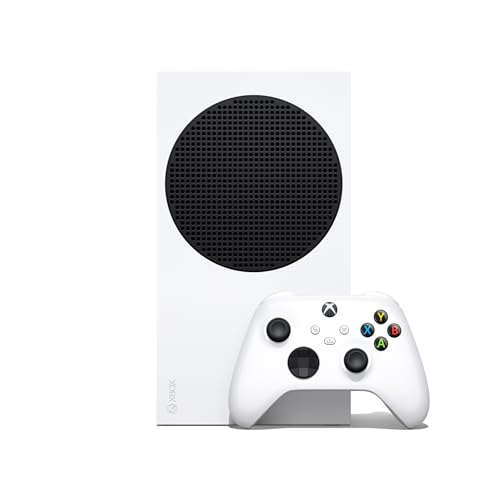
- ✓ Ultra-compact design
- ✓ Very fast load times
- ✓ Smooth 120 FPS where supported
- ✕ Digital-only (no disc)
- ✕ 512GB fills quickly
| Storage Capacity | 512GB custom NVMe SSD |
| Frame Rate Support | Up to 120 FPS |
| Architecture/Storage Interface | Xbox Velocity Architecture with NVMe SSD |
| Backward Compatibility & Smart Delivery | Supports Xbox Series X|S, Xbox One, Xbox 360, Original Xbox; Smart Delivery ensures best version |
| Included Accessories | Xbox Wireless Controller, high-speed HDMI cable, power cable, two AA batteries |
| Connectivity & Ports | HDMI 2.1 output (high-speed HDMI cable included) |
The moment I pulled the Xbox Series S out of the box, the compact silhouette surprised me in the best way possible. It fits my entertainment setup without stealing shelf space, and the matte finish feels premium in hand.
I fired it up, and the quick glance at the 512GB SSD made me curious about the speed from the start.
From there, the real magic kicked in. The system boots fast, and menus glide with almost no hesitation.
I noticed the DirectX Raytracing and Xbox Velocity Architecture delivering snappy load times, which makes jumping between titles feel almost instant. The 120 FPS promise isn’t just on paper—in games that support it, motion is smooth, responsive, and surprisingly immersive on a console this small.
Playing across generations was one of the big sanity checks. Backward compatibility worked flawlessly, and Smart Delivery meant I always saw the best version of a game without juggling settings.
The digital-only approach didn’t bother me, since the library of digitally available titles is already a powerhouse, and Game Pass adds a ton of value when you want new stuff on day one.
The included controller is solid, with textured grips and a comfortable hybrid D-pad that didn’t fatigue my thumbs during longer sessions. Setup is straightforward, and the wireless controller pairs instantly, which I appreciated after a long day.
The console’s size makes it easy to tuck behind a TV stand, and the performance justifies the $495 price tag for the speed and convenience it brings to casual to mid-core gaming.
If you value fast load times, seamless resume, and a compact footprint, you’ll likely feel right at home with this Series S. It’s not overkill for casual gaming, yet it delivers a level of speed that makes newer titles feel noticeably more responsive.
1TB NVMe Storage Expansion Card for Xbox Series X|S

- ✓ Seamless plug-and-play
- ✓ Full-speed performance
- ✓ Ultra-portable design
- ✕ Pricey for some buyers
- ✕ Limited to Xbox ecosystem
| Storage Capacity | 1 TB |
| Form Factor | NVMe M.2 PCIe storage expansion card designed for Xbox Series X|S |
| Interface/Protocol | NVMe PCIe (embedded into Xbox expansion card interface) with direct-rail integration |
| Performance Parity | Runs games at the same speed as internal Xbox SSD with no performance loss |
| Compatibility/Platform | Xbox Series X|S consoles (plug-and-play expansion card slot) |
| Physical Design | Portable and compact expansion card with slim, lightweight form factor for console integration |
You’re staring at the Xbox’s storage menu again, watching a game take up space with that smug “installing” bar slowly creeping toward the end. The problem isn’t just about space—it’s the constant juggling between big titles and quick downloads for new favorites.
Then you pop in this 1TB NVMe expansion card and everything changes in an instant. The card slides into the dedicated expansion slot with a satisfying click, and your dashboard instantly recognizes the extra library.
No fuss, no cables, just plug-and-play simplicity.
In use, you’ll notice games load at the same blistering pace as the internal SSD. No stutter, no stuttery texture pops, just smooth launches as you jump between titles.
It feels like you’re expanding the console’s brain, not just its storage door.
That compact, portable design means you can move your favorites between setups or trips without carrying a clunky external drive. It’s light, barely noticeable in a backpack, and the slim profile keeps the console neat on a shelf.
Performance-wise, you’ll appreciate the seamless integration. The card behaves like it’s part of the system’s original storage, which is exactly what you want when you’re switching between big games and smaller indies.
It’s not just more space—it’s better pacing for your gaming sessions.
Price is a conversation starter, but the value shows up in reliability and speed. You won’t hear fans ramping up or notice any lag when selecting a game from your expanded library.
It simply feels like the storage you always wished came with the console from day one.
What Are the Benefits of Using an SSD for Xbox One?
The benefits of using an SSD for Xbox One include improved performance, faster load times, and enhanced gaming experience.
- Improved Load Times: One of the most significant advantages of using an SSD is the reduction in load times for games and applications. Unlike traditional hard drives, SSDs use flash memory to access data more quickly, which means you can spend less time waiting for your games to load and more time playing.
- Enhanced Game Performance: An SSD can improve the overall performance of your Xbox One by providing quicker data retrieval speeds. This can lead to smoother gameplay, reduced lag, and enhanced graphics, making for a more immersive gaming experience.
- Better Reliability: SSDs are generally more reliable than HDDs due to their lack of moving parts. This resilience means they are less susceptible to physical damage, which is particularly important for gamers who transport their consoles frequently or play in various environments.
- Lighter and More Compact: Many SSDs are smaller and lighter compared to traditional hard drives. This compact design can make it easier to integrate into your gaming setup, especially if you are looking to keep your gaming area organized and tidy.
- Lower Power Consumption: SSDs consume less power than HDDs, which can lead to a longer lifespan for your console and potentially lower electricity costs over time. This efficiency is beneficial for gamers who spend long hours playing.
What Factors Should You Consider When Choosing a Fast SSD for Xbox One?
When choosing the best fast SSD for Xbox One, several key factors should be considered to ensure optimal performance and compatibility.
- Storage Capacity: Selecting the right storage capacity is crucial as it determines how many games and applications you can install. SSDs come in various sizes, typically ranging from 500GB to several terabytes, so consider your gaming library and future needs.
- Read and Write Speeds: The speed of an SSD greatly affects load times and overall gaming experience. Higher read and write speeds mean faster game launches and reduced loading times, so look for SSDs that advertise speeds of at least 500 MB/s for optimal performance.
- Form Factor and Compatibility: It’s important to choose an SSD that is compatible with the Xbox One’s hardware. Ensure the SSD is either USB 3.0 external or an internal SSD that fits within the console’s specifications, as this will affect installation and functionality.
- Brand Reputation and Warranty: Opt for SSDs from reputable brands known for their reliability and performance. A good warranty period can also provide peace of mind, as it indicates the manufacturer’s confidence in their product’s longevity and durability.
- Price to Performance Ratio: Consider your budget and compare the price against the performance offered by different SSDs. Sometimes, paying a little more for a well-reviewed SSD can result in better long-term value through enhanced performance and reliability.
What Is the Recommended Storage Capacity for Xbox One Users?
When selecting an SSD for your Xbox One, storage capacity is a significant consideration. Generally, Xbox One users should aim for a minimum capacity of 500GB, although higher capacities can greatly enhance the gaming experience. Here are some key points to consider:
-
500GB to 1TB: This range is suitable for casual gamers who play a limited number of titles. Many games today occupy substantial space, often exceeding 50GB each, making this capacity less ideal for avid gamers.
-
1TB to 2TB: This is the recommended range for most Xbox One users. It provides sufficient space for several large titles, downloadable content (DLC), and updates without the constant need to manage storage. Users can comfortably install 15 to 30 games, depending on their size.
-
Above 2TB: For those who frequently play multiple large games or utilize a variety of multimedia apps, options with 4TB or more become beneficial. This capacity ensures ample room for a large library and future-proofing against the increasing sizes of new games.
Selecting an SSD with appropriate storage capacity is essential for optimizing gameplay and ensuring a smooth gaming experience on Xbox One.
What Are the Optimal Read and Write Speeds for Gaming?
- Read Speeds: High read speeds are essential for quickly loading game data and assets into memory, which minimizes lag and enhances the gaming experience. For the best performance, look for SSDs with read speeds of at least 500 MB/s, although faster options that exceed 1000 MB/s are even better.
- Write Speeds: Write speeds determine how quickly data can be saved or updated on the drive, which is important for saving game progress and downloading updates. SSDs with write speeds above 400 MB/s are recommended for gaming, as this ensures that any in-game changes or saved files are processed swiftly.
- IOPS (Input/Output Operations Per Second): IOPS measures the number of read and write operations that can be performed per second and is a critical factor in gaming performance. SSDs with higher IOPS ratings can handle multiple data requests simultaneously, which is particularly beneficial when playing games that require frequent data streaming.
- Latency: Latency refers to the delay before a transfer of data begins following an instruction. Lower latency is preferable for gaming, as it ensures quicker access to game files and reduces waiting times during gameplay, contributing to a smoother experience.
Which Fast SSDs Are Highly Recommended for Xbox One?
- Samsung 860 EVO: Known for its reliability and performance, the Samsung 860 EVO offers read speeds up to 550 MB/s and write speeds up to 520 MB/s.
- SanDisk Ultra 3D: This SSD provides impressive speed with read speeds reaching 550 MB/s and is also equipped with 3D NAND technology for durability.
- Crucial MX500: The Crucial MX500 features a 2.5-inch form factor and delivers read speeds of up to 560 MB/s, making it a solid choice for Xbox One users.
- WD Blue 3D NAND: With read speeds of up to 545 MB/s, the WD Blue 3D NAND SSD is designed for performance and comes with a 5-year limited warranty for peace of mind.
- Kingston A2000 NVMe SSD: While not a traditional external option, the Kingston A2000 offers high-speed storage with read speeds up to 2200 MB/s, making it ideal for advanced users who may upgrade their consoles.
The SanDisk Ultra 3D is particularly noted for its advanced 3D NAND technology, which not only boosts performance but also improves endurance. This makes it an excellent option for gamers looking for longevity in their storage solution.
Crucial MX500 stands out for its excellent value and performance ratio, providing gamers with a significant upgrade over standard hard drives. Its read speed of up to 560 MB/s can significantly reduce loading times during gameplay.
The WD Blue 3D NAND SSD is designed for users who want reliable performance and a longer warranty period, making it a safe investment. Its decent speeds and robust build quality cater well to the demands of modern gaming.
Finally, the Kingston A2000 NVMe SSD is perfect for those who want cutting-edge speed and are comfortable with internal upgrades. Its high read speeds can be beneficial for those using the console for more than just gaming, such as multimedia tasks or software development.
What Are the Key Features of the Top-Rated SSDs for Xbox One?
The key features of the top-rated SSDs for Xbox One include speed, storage capacity, compatibility, durability, and price.
- Speed: Fast SSDs significantly reduce load times, enhancing gaming experiences. They utilize high-speed interfaces like USB 3.1 or PCIe, which allows for faster data transfer compared to traditional hard drives.
- Storage Capacity: Many top SSDs offer a range from 500GB to several terabytes, providing ample space for games and downloadable content. This flexibility helps gamers choose the right amount of storage based on their gaming habits.
- Compatibility: The best SSDs for Xbox One are designed to be fully compatible with the console, ensuring seamless installation and performance. They typically support the console’s format and file system requirements, making setup straightforward for users.
- Durability: SSDs are generally more durable than HDDs because they have no moving parts, making them less susceptible to damage. This feature is crucial for gamers who transport their consoles frequently or play in various environments.
- Price: While SSDs are typically more expensive per gigabyte than traditional hard drives, the price varies based on performance and features. It’s essential to find a balance between cost and speed to get the best value for your gaming needs.
How Do User Experiences Inform SSD Choices for Xbox One?
User experiences play a crucial role in selecting the best fast SSD for Xbox One by highlighting performance, compatibility, and reliability.
- Performance Speed: User reviews often focus on the read and write speeds of SSDs, which can significantly impact load times and overall gaming experience. Faster SSDs reduce loading times for games and applications, providing a smoother and more enjoyable gaming session.
- Compatibility: Experiences shared by users help identify which SSDs are compatible with Xbox One systems. Many users report on the ease of installation, as well as any potential issues encountered when connecting SSDs, ensuring that gamers make informed choices that will work seamlessly with their console.
- Reliability and Durability: User feedback frequently highlights the reliability of different SSD brands and models over time. Gamers often share their experiences regarding the longevity of the drives and whether they encounter failures or performance degradation, helping others choose SSDs that are built to last.
- Value for Money: Many users discuss their perceptions of value for money based on performance and features relative to the cost. Reviews often include comparisons of budget options versus high-end SSDs, providing insights into whether the investment in a fast SSD is justified for the gaming experience.
- Brand Reputation: User experiences contribute to the overall reputation of SSD brands in the gaming community. Gamers tend to favor brands known for their customer service and warranty policies, influencing their decisions based on the collective feedback of satisfied or dissatisfied customers.
How Do You Install and Set Up an SSD on Xbox One?
Installing and setting up an SSD on your Xbox One can greatly enhance your gaming experience. Follow these steps to get started:
-
Choose the Right SSD: Ensure that the SSD you purchase is compatible with your Xbox One and has suitable speeds, ideally above 500 MB/s.
-
Connect the SSD:
– For external SSDs, plug the device into any available USB 3.0 port on the Xbox One.
– For internal SSDs, you’ll need to open the console, remove the current hard drive, and replace it with the SSD. -
Format the SSD:
– Go to “Settings” on your Xbox One.
– Navigate to “System” and then “Storage.”
– Select the newly connected SSD. If it’s unformatted, a prompt will appear to format it for use with Xbox One.
– Follow the on-screen instructions to format the drive, which clears any existing data. -
Set as Game Storage: After formatting, you can choose to make the SSD your default installation location for games and apps by selecting “Manage Storage” in the settings.
-
Transfer Games: Move existing games from your console’s internal storage to the SSD for improved loading times by selecting the game in “My Games & Apps,” pressing the Menu button, and choosing “Move.”
These steps will ensure that your Xbox One is set up efficiently with your new SSD for a better gaming experience.
What Steps Should You Follow to Install an SSD on Xbox One?
To install an SSD on an Xbox One, follow these essential steps:
- Choose the right SSD: Select a high-quality SSD that is compatible with your Xbox One and offers fast read and write speeds for optimal gaming performance.
- Backup your data: Before proceeding with the installation, ensure that all your game saves and data are backed up to avoid any loss during the upgrade process.
- Gather necessary tools: Obtain the required tools for the installation, such as a screwdriver and any other tools specified for your Xbox One model.
- Open the Xbox One casing: Carefully disassemble the Xbox One casing by following a guide specific to your model, ensuring not to damage any internal components.
- Remove the old hard drive: Disconnect and remove the existing hard drive from the Xbox One, taking care to keep track of screws and connectors.
- Install the SSD: Secure the SSD in the hard drive bay, making sure it is properly connected and seated to ensure reliable performance.
- Reassemble the Xbox One: Carefully put the casing back together, ensuring all screws are tightened and components are correctly positioned.
- Format the SSD: Once the Xbox One is powered on, navigate to the settings to format the new SSD, which will allow the console to recognize and optimize it for use.
- Restore your data: Finally, restore your saved data and games from the backup you created earlier to continue your gaming experience seamlessly.