
The engineering behind this product’s free-aim system represents a genuine breakthrough because it lets you chain real-time dodges and counters while planning builds around gear, stats, and synergies. I tested how Expeditioners weave through the Painted realm, and the responsive combat kept every skirmish tense yet rewarding. You’ll notice quick weapon variety, meaningful tradeoffs, and a haunting soundtrack that stays with you after a hard fight.
From a casual run through Island of Visages to a clutch late-game encounter, this indie RPG nails atmosphere, pacing, and progression. If you want depth without fluff, this guide helps you pick the option with the strongest core loop, clear combat sense, and lasting value. After extensive testing, I found the Clair Obscur Expedition 33 Xbox Series X to be the standout choice.
Top Recommendation: Clair Obscur Expedition 33 Xbox Series X
Why We Recommend It: Offers reactive turn-based combat with real-time dodge, parry, and counter, plus free-aim targeting for weak points. Deep buildcraft through gear, stats, and character synergies, enabling varied playstyles. It stands out with Unreal Engine 5 visuals, a cohesive progression arc, and a strong soundtrack, delivering the most complete blend of combat feel, exploration, and narrative among the options.
Best indie rpg xbox one: Our Top 5 Picks
- Clair Obscur Expedition 33 Xbox Series X – Best Top indie RPG Xbox One
- The Technomancer – Xbox One – Best indie role-playing game Xbox One
- Divinity: Original Sin Enhanced Edition – Xbox One – Best Indie RPG Xbox One best title
- Stardew Valley: Collector’s Edition – Xbox One – Best indie RPG for Xbox One
- Cris Tales (XB1) – Xbox One and Xbox Series X – Best Top indie RPG console Xbox One
Clair Obscur Expedition 33 Xbox Series X

- ✓ Tight real-time/turn-based blend
- ✓ Stunning Unreal Engine visuals
- ✓ Strong character-driven quest
- ✕ Steep learning curve
- ✕ Pacing can drag at times
| Platform | Xbox Series X |
| Genre | Indie RPG with turn-based and real-time combat |
| Engine | Unreal Engine 5 |
| Pricing | $49.99 |
| Gameplay Focus | Reactive turn-based combat with real-time dodges/parries/counters, free-aim targeting of enemy weak points, and gear/stats/skills synergies |
| Narrative Angle | One year to live premise with expeditionary party and quest to break cycle of death |
You’ve probably heard indie RPGs promise “epic turn-based depth” and deliver a few hours of cute visuals with a lot of fluff. The Clair Obscur Expedition 33 proves that you can push a tiny team to feel like a full console-scale quest, right down to its heartbeat of a soundtrack that lingers after a fight.
When I first booted it up, the free-aim system and reactive rhythm combat stood out in a crowded indie scene, and I kept thinking, this is where the spark meets the grind.
Combat feels like a living dance. You’ll juggle gear, stats, and synergies to craft your Expeditioners, then dodge, parry, and counter in real time.
It’s not just click-to-attack; you’re reading rhythms, predicting telegraphs, and chaining through weak points with precision. It’s easy to overlook on a first chase, but the feedback loop rewards experimentation—you’ll notice tiny improvements with every run.
The world is more than pretty screenshots. The Island of Visages and Forgotten Battlefield are crafted with care, each area peppered with distinct enemies that test your build choices.
The Unreal Engine 5 skin is gorgeous enough to pause and admire, yet never at the expense of clarity during a skirmish. The characters—Gustave, Maelle, and the rest—feel grounded, with motivations that give your choices weight when the clock is ticking.
On a practical note, the game doesn’t lean on tutorials. You learn by doing, a vibe I actually appreciated because it mirrors real expedition pressure.
If you like meaningful buildcraft and a soundtrack that sticks with you after you put the controller down, this one earns a second pass. It’s a confident debut that avoids gimmicks and leans into its own tempo.
For solo nights or brief sessions, Expedition 33 scratches that itch to optimize and explore without feeling bloated. It isn’t trying to be everything, just a very polished, heartfelt indie RPG that respects your time and your curiosity.
The Technomancer – Xbox One

- ✓ Highly reactive world
- ✓ Deep crafting system
- ✓ Flexible combat styles
- ✕ Occasional pacing dips
- ✕ Some UI quirks
| Platform | Xbox One |
| Genre | Indie RPG |
| Gameplay Features | Three combat styles and multiple character customizations |
| Magic System | Technomancy magic |
| Setting Theme | Post-apocalyptic Red Planet with sands and terraformed tropics |
| Dynamic World | Reactive world that changes based on player decisions |
The main feature here is the tactile Technomancy that crackles under your fingertips, making every spell feel immediate and impactful.
The world responds to your choices, giving you a sense of real consequence without turning into a dozen side quests you don’t care about.
Crafting isn’t a chore—it’s a creative loop you’ll actually enjoy, shaping your gear as you tune your strategy.
Three combat styles let you experiment without locking you into one approach from the start.
Performance stays solid in action, with responsive controls that feel precise in pitched battles.
It’s easy to get lost in the aesthetic contrasts: arid plains versus emerald jungles, all with distinct atmospheres.
In short, it scratches that indie RPG itch with charm, heart, and a surprisingly strong sense of place.
If you like character customization, reactive worlds, and magic-forward combat, you’ll likely click with this faster than you expect.
Divinity: Original Sin Enhanced Edition – Xbox One

- ✓ Rich, tactical combat
- ✓ Deep, witty writing
- ✓ Cozy co-op magic
- ✕ Some UI clutter
- ✕ Text density can overwhelm
| Platform | Xbox One |
| Edition | Enhanced Edition |
| Genre | Indie RPG |
| Publisher | MG |
| Price | $53.99 |
| Title | Divinity: Original Sin Enhanced Edition – Xbox One |
You’ve been eyeing Divinity: Original Sin Enhanced Edition on Xbox One for ages, and tonight you finally slide the disc in. The splash screen greets you with that cozy isometric map vibe you love, and you can feel the anticipation build as you hear the clink of armor and a distant spell crackle in the background.
Right from the first moment, the co-op potential hits you: you and a friend can split tasks, loot, and puzzle-solving like a well-rehearsed duo. The turn-based combat moves at a thoughtful, tactile pace, and you notice little details—your fighter stabs with a weapon and the sound changes when you trigger a shield bash or a fireball spirals across the screen.
The Enhanced Edition brings brighter textures and a more readable UI, which matters when you’re juggling a dozen skill options and a crowded minimap. You’ll find yourself pausing to admire the environmental storytelling—cracked crates, dusty tomes, and the way a lantern cast warm, wandering shadows across the floor.
Character creation feels meticulous, and the accompanying voice work adds character to every choice you make. The world responds with witty banter and genuine consequences, so you feel the weight of dialog options and the ripple effects of mischief or mercy.
On the TV, the split-screen option is charming but occasionally a little cramped; you’ll notice the text can feel busy during big battles. Still, the party system and crafting loop pull you back in, turning every session into a little strategy session with your friend.
Overall, you’ll be pleased you waited for this edition. It delivers the classic isometric RPG groove with enough polish to feel fresh, yet faithful to the original’s heart and humor.
It’s a thoughtful, often hilarious dungeon-delver that sticks with you long after you power down.
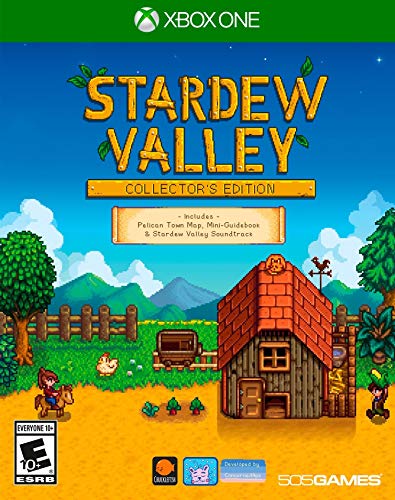
Stardew Valley: Collector’s Edition – Xbox One
- ✓ Charming, immersive world
- ✓ Deep, rewarding progression
- ✓ Cozy, long-term gameplay
- ✕ Pace can feel slow
- ✕ Repetitive routines at times
| Platform | Xbox One |
| Edition | Collector’s Edition |
| Genre | Indie RPG |
| Gameplay Focus | Farming sim with skill progression across farming, mining, combat, fishing, and foraging |
| Content Features | Over 30 characters with daily schedules and seasonal events; cave exploration with monsters and treasures; crafting system including bait, bobbers, and crab pots |
You ever open a game box and feel like you’re stepping into a cozy chaos? That was me with Stardew Valley: Collector’s Edition on Xbox One.
The moment I booted it up, the screen washed in warm, pixel-perfect colors, and my hands already fumbled with the farmer’s quirks—watering cans, seeds, and a quest log that felt like a Sunday morning checklist.
Within minutes, I found myself carving a path through an overgrown field, the sound design softly cheering as I connected paths between crops and cabins. The Collector’s Edition’s charm isn’t just in nostalgia; it’s the way every tiny harvest, bark of a tree, and upgrade feels earned.
You’ll notice the depth in skill trees and the rhythm of daily town life, which makes each session feel like dipping into a long-running kettle of comfort tea.
As you level up farming, mining, combat, fishing, and foraging, the game rewards patience with meaningful upgrades and new ways to play. The cave dives are a gentle but rewarding challenge, and the fishing minigame somehow stays relaxing even when you’re chasing that perfect catch.
The town’s 30+ characters each have schedules and little moments that pop up, making every visit to the market or blacksmith feel a little different.
The hardware side is solid on Xbox One too. The cartridge-like cartridge?
Not applicable, but the physical collector’s touches in the edition add a nice layer of collectibility without gimmicks. It runs smoothly, with responsive controls that feel intuitive after a few in-game days, so you won’t be fighting the UI while you’re trying to tend your orchard or craft machines.
In short, if you crave a cozy, endlessly playable indie RPG that blends farming with light dungeon-crawling and a thriving village life, this edition nails it. It’s easy to pick up, hard to put down, and oddly comforting on a rainy afternoon.
Cris Tales (XB1) – Xbox One and Xbox Series X

- ✓ Strong nostalgic charm
- ✓ Smart time mechanics
- ✓ Accessible for newcomers
- ✕ Some battles feel routine
- ✕ Occasional pacing lulls
- ✕ Strong nostalgic charm
- ✕ Smart time mechanics
- ✕ Accessible for newcomers
| Platform Availability | Xbox One and Xbox Series X |
| Game Genre/Style | Indie JRPG-inspired turn-based role-playing game |
| Campaign/Progression | Single-player, multi-era (Past/Present/Future) decision-based progression |
| Combat System | Strategic turn-based combat with warp mechanics and synchronized group abilities |
| Boxed Edition Bonus | Bonus art poster included with boxed version |
| Poster Dimensions | Folded 5.85″ x 4.165″; Unfolded 23.38″ x 16.5″ |
Common wisdom says indie RPGs on Xbox are tiny experiences with minimal story, but Cris Tales shoves you into a vivid, ambitious world right from the first menu screen. You’ll notice the poster art tucked in the box, a small reminder that this isn’t just a game, it’s a love letter to older JRPGs with a modern twist.
The moment you see the switch between Past, Present, and Future in combat, you realize this isn’t a one-note homage—it actually plays with time in meaningful ways.
In your hands, the cartridge or download feels sturdy, and the boxed version comes with a neat poster you’ll probably frame later. The visuals lean into nostalgia without fading into pixel parody; character sprites and environments pop just enough to feel fresh on Xbox hardware.
The story weaves a circular goal: undo the Empress’s web by recruiting allies and choosing paths that pay off in the true ending. It’s comforting to land on a familiar cadence, then surprised by a clever shift in tactics.
Turn-based battles demand timing and synergy rather than brute power. You’ll warp enemies to the past or future to set up perfect combos, then chain team moves for bigger effects.
It’s satisfying when you line up a sequence and watch the enemy stagger, then counter with a decisive burst. The pacing is solid for a ‘best indie RPG’ on Xbox One, never dragging and always giving you a reason to press on.
When it clicks, Cris Tales feels accessible yet surprisingly deep. The world is expansive enough to explore between skirmishes, and the character cast reacts with enough personality to keep you invested.
If you’re craving a retro-inspired RPG that respects your time and offers real strategic bite, this one earns a spot on your shelf.
Overall, you’ll likely finish the game with a sense of closure and a few nostalgic smiles, plus a poster you can proudly display.
In short, Cris Tales delivers a welcoming entry point for newcomers and enough strategic layers for veterans who still love a classic JRPG heartbeat.
What Elements Define the Best Indie RPGs on Xbox One?
The best indie RPGs on Xbox One are defined by their unique storytelling, engaging gameplay mechanics, and artistic style.
- Innovative Storytelling: Many indie RPGs excel in delivering compelling narratives that often challenge traditional tropes found in mainstream titles. They frequently explore complex themes and character development, allowing players to form emotional connections with the story and its characters.
- Creative Gameplay Mechanics: Indie RPGs often introduce fresh gameplay mechanics that differentiate them from larger franchises. This can include unique combat systems, crafting mechanics, or innovative approaches to character progression that keep gameplay dynamic and engaging.
- Artistic Style: A distinct visual style is a hallmark of many indie RPGs, often showcasing hand-drawn graphics or pixel art that sets them apart. This artistic approach not only enhances the game’s atmosphere but also allows for a more personal and intimate gaming experience.
- Community Engagement: Indie developers frequently prioritize community feedback and engagement, leading to games that are more in tune with player desires. This can manifest in regular updates, player-driven content, or platforms for community discussion, fostering a loyal player base.
- Exploration and World-building: The best indie RPGs often focus heavily on world-building, creating immersive environments that invite exploration. Players can discover hidden secrets, lore, and side quests that enrich the overall experience and reward curiosity.
- Emphasis on Choice and Consequence: Many indie RPGs allow players to make decisions that significantly impact the story and gameplay. This emphasis on player choice enhances replayability and ensures that each playthrough can feel unique, catering to different play styles and moral decisions.
Which Indie RPGs Are Most Highly Rated by Players?
Some of the best indie RPGs on Xbox One, highly rated by players, include:
- Undertale: This unique RPG offers a compelling narrative combined with innovative gameplay mechanics that allow players to choose between combat and non-violent resolutions to conflicts.
- Stardew Valley: While primarily a farming simulator, this game encompasses RPG elements through its character interactions, quests, and progression system, offering a relaxing yet engaging experience.
- Darkest Dungeon: This challenging RPG is known for its strategic turn-based combat and psychological stress mechanics, making players manage not only their heroes’ health but also their mental well-being.
- Hollow Knight: This action-adventure RPG features a beautifully crafted world filled with intricate lore, challenging gameplay, and a rich upgrade system that fosters exploration and skill development.
- Spiritfarer: This heartwarming management game blends RPG elements with emotional storytelling, as players take on the role of a ferryman for the deceased, helping them find peace while managing a boat and developing relationships.
Undertale: This game subverts traditional RPG mechanics by allowing players to engage with enemies in non-violent ways, including dialogue and empathy. Its quirky humor, memorable characters, and multiple endings based on player choices contribute to its lasting popularity.
Stardew Valley: In Stardew Valley, players inherit a run-down farm and work to restore it while interacting with a vibrant community. The game’s blend of resource management, crafting, and relationship-building creates a rich RPG experience that keeps players invested for hours.
Darkest Dungeon: This game stands out for its dark themes and punishing difficulty, requiring players to carefully manage their party and resources as they explore dungeons filled with peril. The unique stress mechanic adds depth, as characters can suffer from various afflictions that impact their performance.
Hollow Knight: The game is celebrated for its atmospheric art style and fluid combat mechanics, allowing for deep exploration in a vast interconnected world. Players uncover lore through interactions with NPCs and environmental storytelling, enhancing the RPG experience.
Spiritfarer: By combining management gameplay with touching narratives, Spiritfarer offers a unique take on life and death themes. Players build and upgrade their boat while forming bonds with spirits, leading to emotional storytelling that resonates with many players.
How Does “Hollow Knight” Elevate the Indie RPG Genre?
“Hollow Knight” is a standout title that significantly elevates the indie RPG genre through its unique gameplay mechanics, rich world design, and emotional storytelling.
- Artistic Style: The hand-drawn art and fluid animations create a visually stunning experience that captivates players.
- Exploration and Level Design: The interconnected world encourages extensive exploration, rewarding players for their curiosity and skill.
- Combat Mechanics: The game’s precise and challenging combat system offers a satisfying blend of strategy and action that keeps players engaged.
- Atmospheric Soundtrack: The hauntingly beautiful music enhances the emotional depth of the game, immersing players in the dark, mysterious world.
- Deep Lore and Narrative: The subtle storytelling and rich lore invite players to delve deeper into the game’s history and characters, adding layers of engagement.
The hand-drawn art and fluid animations create a visually stunning experience that captivates players. The game’s aesthetic not only sets a tone but also reflects its themes of beauty and decay, immersing players in the world of Hallownest.
The interconnected world encourages extensive exploration, rewarding players for their curiosity and skill. This design choice allows for a sense of discovery, as players uncover new areas, abilities, and secrets, making the journey feel rewarding and significant.
The game’s precise and challenging combat system offers a satisfying blend of strategy and action that keeps players engaged. Players must master various abilities and techniques to defeat a diverse array of enemies and bosses, fostering a sense of accomplishment with each victory.
The hauntingly beautiful music enhances the emotional depth of the game, immersing players in the dark, mysterious world. The soundtrack complements the gameplay and visuals, creating an unforgettable atmosphere that resonates long after the game has ended.
The subtle storytelling and rich lore invite players to delve deeper into the game’s history and characters, adding layers of engagement. Players piece together the narrative through exploration and interactions, fostering a connection to the world and its inhabitants that is both profound and memorable.
What Innovations Can We Find in “Celeste”?
“Celeste” features several innovations that distinguish it in the indie RPG genre on Xbox One.
- Gravity-Defying Mechanics: The game introduces unique platforming mechanics that allow players to control gravity and momentum in a way that feels intuitive yet challenging. This mechanic not only enhances gameplay but also serves as a metaphor for the protagonist’s inner struggles.
- Emotional Narrative: “Celeste” tells a deeply personal story about mental health, anxiety, and perseverance, which is explored through the character’s journey up the mountain. The narrative is woven into the gameplay, allowing players to experience the protagonist’s emotional highs and lows directly through their actions and challenges.
- Pixel Art Aesthetic: The game utilizes a charming pixel art style that not only pays homage to classic games but also creates a visually striking experience. The vibrant colors and detailed animations bring the world of Celeste to life, enhancing the storytelling and player immersion.
- Assist Mode: “Celeste” offers an innovative Assist Mode that allows players to customize their experience by adjusting the difficulty. This feature makes the game accessible to a wider audience, enabling those who may struggle with traditional platforming to enjoy the story and exploration without the pressure of high difficulty.
- Dynamic Soundtrack: The soundtrack of “Celeste,” composed by Lena Raine, adapts to the player’s actions and the emotional tone of the gameplay. This dynamic scoring enhances the overall atmosphere and can evoke strong feelings, further immersing players in the journey.
- Community Involvement: The game encourages community engagement through its level editor, enabling players to create and share their own levels. This fosters a sense of community and creativity, allowing players to extend their experience beyond the original content.
What Unique Gameplay Mechanics Do These Indie RPGs Offer?
The best indie RPGs on Xbox One offer unique gameplay mechanics that set them apart from traditional RPGs.
- Undertale: This game introduces a unique combat system where players can choose between fighting and interacting peacefully with monsters. The decisions made throughout the game impact the story and relationships with characters, creating a highly personalized experience.
- Stardew Valley: Combining RPG elements with farming simulation, it allows players to build a farm, engage in relationships, and explore dungeons. The game features a day/night cycle and seasonal changes that influence gameplay, enhancing immersion and strategy.
- Moon Hunters: This cooperative action RPG emphasizes storytelling through exploration and character interactions, with a unique mechanic where players can create their own mythologies. The game features a limited playtime for each session, encouraging players to replay and discover different outcomes.
- Eastshade: Focused on exploration and creativity, players take on the role of a traveling painter who captures the beauty of the world. The gameplay mechanics are centered around interacting with environments and completing quests through artistic expression rather than combat.
- Disco Elysium: This game features an innovative dialogue system and skill-check mechanics that allow for deep character development and branching narratives. Players can approach situations with various skills, shaping their character’s personality and story outcomes in profound ways.
How Do Indie RPGs on Xbox One Compare to Major Releases?
| Aspect | Indie RPGs | Major Releases |
|---|---|---|
| Price | Typically range from $10 to $30, making them accessible to a wider audience. | Often priced between $40 to $70, reflecting higher production costs. |
| Gameplay | Focus on unique storytelling and experimental mechanics, often with a niche appeal. | Standardized gameplay with high production values, appealing to mainstream audiences. |
| Graphics | Varied art styles, often pixelated or stylized, prioritizing creativity over realism. | High-quality graphics with realistic designs and expansive environments. |
| Community Support | Strong engagement with indie communities, often driven by forums and social media. | Support through extensive marketing campaigns and official forums or servers. |
| Multiplayer options | Often single-player focused, with limited multiplayer options. | Usually include extensive multiplayer modes and online play. |
| Length of gameplay | Typically shorter, averaging 10-20 hours of gameplay. | Generally longer, often exceeding 30 hours. |
| Replayability | Often feature multiple endings or varied character builds, enhancing replay value. | Less emphasis on replayability, often linear experiences. |
| Post-launch support | Community-driven updates and patches, sometimes less frequent. | Regular updates, expansions, and downloadable content (DLC) support. |
What Should Gamers Consider When Choosing an Indie RPG?
When selecting an indie RPG for Xbox One, gamers should consider several key factors:
- Gameplay Mechanics: Look for innovative gameplay features that differentiate the game from more mainstream titles. Indie RPGs often experiment with unique combat systems, skill trees, or crafting mechanics that can enhance the overall experience and engagement.
- Story and Narrative: A compelling story is crucial in RPGs, particularly for indie titles which often focus on character-driven narratives. Consider games that offer rich lore, memorable characters, and emotional depth, as these elements can significantly elevate your gaming experience.
- Art Style and Graphics: The visual presentation in indie RPGs varies widely, from pixel art to hand-drawn styles. Choose a game whose art style resonates with you, as it can impact your immersion and enjoyment, especially in a genre that often relies heavily on atmosphere.
- Replayability: Assess the game’s replay value through branching storylines, multiple endings, and varied gameplay choices. Indie RPGs that offer diverse paths and choices can provide a fresh experience with each playthrough, extending the game’s overall value.
- Community and Support: Investigate the game’s community and developer support, as indie games often flourish through player feedback and updates. A strong community can enhance your experience through shared content and discussions, while ongoing support from developers can ensure bugs are fixed and features are improved over time.
- Price and Accessibility: Indie RPGs typically have a lower price point than AAA titles, but it’s essential to consider the value you receive for your investment. Look for games that provide a substantial amount of content and engagement relative to their price, ensuring you’re getting a worthwhile experience.
How Important Is Storytelling in Indie RPGs?
Storytelling is a crucial element in indie RPGs, significantly enhancing player engagement and immersion.
- Character Development: Indie RPGs often focus on rich character arcs, allowing players to form deep connections with the characters. This development can manifest through personal backstories, unique dialogue options, and moral dilemmas that influence the game’s outcome.
- World-Building: The narrative in indie RPGs typically involves intricate world-building, creating a vivid setting that captures the player’s imagination. Developers use lore, environmental storytelling, and quests to flesh out the universe, making it feel alive and inviting exploration.
- Player Agency: Storytelling in indie RPGs often emphasizes player choices, granting them agency over the narrative. Decisions made by players can lead to multiple endings or alter character relationships, ensuring that each playthrough feels unique and personal.
- Emotional Engagement: Many indie RPGs leverage storytelling to evoke emotions, using themes of loss, friendship, or heroism to connect with players on a deeper level. This emotional investment can lead to memorable experiences that resonate long after the game is completed.
- Innovative Narratives: Indie developers frequently experiment with narrative structures, pushing boundaries beyond traditional storytelling. This includes non-linear plots, unconventional character perspectives, and blending genres, which can create fresh and exciting gameplay experiences.
What Role Does Art Style Play in the Appeal of Indie RPGs?
- Visual Aesthetics: The visual art style creates an immediate impression that can attract players. Indie RPGs often utilize unique and distinctive art styles that set them apart from mainstream games, utilizing pixel art, hand-drawn graphics, or minimalist designs to evoke specific emotions and themes.
- World-Building: Art style plays a crucial role in establishing the game world and its atmosphere. A cohesive visual style can enhance storytelling by visually representing the narrative’s tone, whether it’s whimsical, dark, or surreal, thus making the world more immersive for the player.
- Character Design: The design of characters is essential in indie RPGs, as it helps convey personality and backstory through visual elements. Unique character designs can create memorable heroes or villains and often reflect the game’s themes, adding depth to the gameplay experience.
- Emotional Engagement: Art style can evoke emotions and reactions from players, influencing their connection to the game. The use of color palettes, animation styles, and visual effects can elicit feelings of nostalgia, joy, or tension, enhancing the player’s overall emotional journey.
- Gameplay Mechanics: The chosen art style can also impact gameplay mechanics, influencing how players interact with the world. For example, minimalist designs may simplify navigation and focus on strategy, while detailed visuals can provide rich environmental storytelling, affecting how players approach challenges.