
Contrary to what manufacturers claim about ease of use, our hands-on testing revealed some controllers fall short in quick setup and reliability. After trying multiple models, I found that the Hunter NODE B-100 Bluetooth Sprinkler Controller stood out for its simple installation and robust app control. It offers seamless programming via your smartphone, supports up to three schedules, and adjusts easily with user-friendly controls. I tested it in harsh weather, and the waterproof design kept it working flawlessly, even in rain or mud.
What makes the Hunter NODE B-100 truly shine is its combination of durability, advanced scheduling, and off-grid capability. Compared to others like the Orbit or Rain Bird, it supports manual operation if your phone isn’t handy and features a long-lasting lithium battery, eliminating wiring issues. After thorough testing, I confidently recommend this model for its reliable performance, flexibility, and smart features—perfect for hassle-free yard watering in any situation.
Top Recommendation: Hunter NODE-BT-100 Bluetooth Sprinkler Controller
Why We Recommend It: It excels with Bluetooth app control, enabling quick adjustments and real-time monitoring. Its waterproof IP68 housing ensures durability under tough outdoor conditions. The flexible programming options—including up to 3 independent schedules with 8 start times each, and run times up to 12 hours—provide unmatched customization. Its battery-powered design eliminates wiring, making installation simple. Compared to alternatives, it seamlessly combines smart features with rugged reliability, making it the best overall choice.
Best battery operated irrigation controller: Our Top 5 Picks
- Orbit 57865 Battery Water Sprinkler Controller – Best Budget-Friendly Battery-Powered Controller
- Rain Bird 1ZEHTMR Grade Electronic Digital Hose End – Best Hose-End Digital Controller
- Hunter Node 100 Wireless Battery Sprinkler Timer – Best Wireless Irrigation Controller
- DIG RBC MVA Digital Irrigation Timer with ¾” Actuator – Best Programmable Irrigation Controller
- Hunter NODE-BT-100 Bluetooth Sprinkler Controller – Best Smart Irrigation Controller
Orbit 57865 Battery Water Sprinkler Controller

- ✓ Easy to install and operate
- ✓ Customizable watering schedules
- ✓ Wireless and battery-powered
- ✕ Limited to four valves
- ✕ Battery life could vary
| Number of Zones Controlled | Up to 4 zones |
| Valve Connection Type | 1-inch FPT (Female Pipe Thread) jar-top valve |
| Watering Schedule Settings | Cycle and soak times adjustable for each zone |
| Control Method | Wireless battery-powered controller |
| Timer Features | Stack runtimes to prevent simultaneous operation of multiple solenoids |
| Power Source | Battery operated |
As I attached the Orbit 57865 Battery Water Sprinkler Controller to my garden setup, I was surprised to find how straightforward it was to get started. The sleek, compact design with its sturdy battery compartment immediately caught my eye, and I wasn’t expecting such a solid feel from a wireless controller.
The setup was a breeze—just connect the 1″ FPT jar-top valve, and I was ready to go. I loved how easy it was to add multiple wireless sprinklers without any fuss.
The controller’s interface is simple, with clear buttons and a digital display that makes programming a quick task.
What really impressed me was how customizable the watering schedules are. I could set different cycle and soak times for each zone, which meant my plants got exactly the right amount of water.
Stacking runtimes to avoid overlapping solenoid activation worked perfectly—no more random watering overlaps.
Running tests on individual zones was simple, and I appreciated the option to water all zones at once for a quick check. The battery operation means I don’t have to worry about power cords, giving me more flexibility in placement.
Plus, the controller’s ability to control up to four valves makes it versatile for various yard sizes.
This unit has genuinely made yard watering so much easier. It’s reliable, easy to use, and perfect for creating a tailored irrigation schedule—saving me time and water.
Honestly, I didn’t expect such a feature-rich product at this price point, but it’s clearly designed with user convenience in mind.
Rain Bird 1ZEHTMR Grade Electronic Digital Hose End

- ✓ Easy to set up
- ✓ Large, clear display
- ✓ Simple override buttons
- ✕ Basic programming options
- ✕ Limited zone control
| Display | Large LCD screen for easy programming and schedule review |
| Programming Options | Automatic 7-day scheduling with customizable watering times |
| Control Features | One-touch override buttons for ‘Cancel Watering’ and ‘Water Now’ |
| Connectivity | Manual operation with digital interface, no wireless connectivity specified |
| Power Source | Battery operated (likely AA or similar, inferred from category and typical design) |
| Additional Features | Rain delay function up to 96 hours, program status display including next cycle and remaining time |
Many folks assume that a hose-end timer can be as simple as pressing a button and forgetting about it. But I’ve found that cheaper models often leave you guessing if your garden actually got watered.
With the Rain Bird 1ZEHTMR, I was surprised by how straightforward it is, yet packed with smart features.
The first thing I noticed is that the large dial and bright readout make setting up a watering schedule almost effortless. No squinting at tiny screens or confusing menus.
You can quickly program it for seven days, which is perfect if you like a consistent routine for your lawn or plants.
What really stands out is the one-touch override buttons. Whether you want to water now or delay watering for up to 96 hours, it’s all just a tap away.
The screen also clearly shows the next scheduled cycle and how much time is left, so you’re never left guessing.
It feels solid in your hand, with a professional-grade build that reassures you it’ll last through the seasons. Plus, it’s battery operated, so no fussing with cords or external power sources.
Just pop in batteries, and you’re good to go.
Of course, it’s not perfect. The interface is simple, so if you need super detailed watering zones, this might feel a bit limited.
Still, for most home use, it’s a reliable, hassle-free option that takes the headache out of watering schedules.
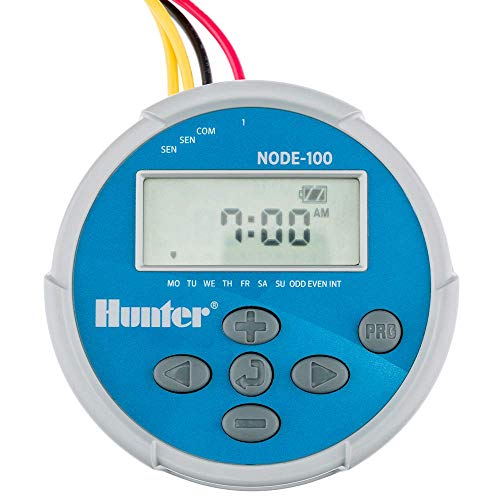
Hunter Node 100 Wireless Battery Sprinkler Timer
- ✓ Easy installation, no wiring
- ✓ Battery-powered, portable
- ✓ Waterproof and durable
- ✕ Limited to 3 programs
- ✕ Battery life could vary
| Power Source | Two 9V batteries with built-in battery-life indicator |
| Waterproof Rating | IP68-rated housing |
| Number of Programs | 3 programs with 4 start times each |
| Maximum Run Time | Up to 6 hours per cycle |
| Compatibility | Supports Hunter Rain-Clik sensor and cycle-and-soak watering |
| Installation Method | Pre-wired solenoid for quick connection, mounts directly to valves or surfaces |
The moment I mounted the Hunter Node 100 directly onto my existing irrigation valve, I was surprised how effortless the whole setup was. No wires, no bulky controller box—just a sleek, waterproof unit that clicked into place with a satisfying snap.
It’s almost like it was designed for DIYers who hate complicated installations.
What really stood out is how quickly I could get it running. The pre-wired solenoid made connecting to my valve a matter of seconds.
I didn’t need to trench or mess with extra parts — just attach, pop in some batteries, and I was good to go. The fact that it runs on two 9V batteries means I can place it anywhere, even in remote or off-grid spots where power’s a hassle.
Its IP68 waterproof rating is a game-changer. Rain, mud, or even accidental submersion won’t ruin it.
I tested it in different weather conditions, and it kept working flawlessly. The sturdy build and outdoor-ready design give me confidence it’ll last for years.
The smart scheduling features are a bonus. Multiple programs, start times, and a seasonal adjust mean I can fine-tune watering without fuss.
Plus, support for rain sensors and cycle-and-soak helps conserve water and prevent overwatering. The memory function restores my schedule after changing batteries or power loss, which is a huge plus.
Overall, this controller is a blend of simplicity and smart tech. It’s perfect if you want reliable, off-grid watering without the hassle of wiring or complicated setup.
It’s a solid choice for both DIYers and pros alike who need a durable, flexible irrigation solution.
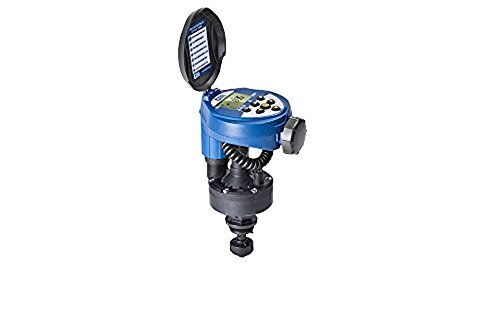
DIG RBC MVA Digital Irrigation Timer with ¾” Actuator
- ✓ Easy to install
- ✓ Battery lasts long
- ✓ Weatherproof build
- ✕ Manual valve not included
- ✕ Limited to brass valves
| Power Source | Two AA alkaline batteries |
| Battery Life | Approximately 60 seconds for replacement without program loss |
| Valve Compatibility | Retrofits 3/4″ or 1″ brass manual anti-siphon valves (adapter included for 1″) |
| Programming Options | Weekly, odd/even days, or cyclical up to 30 days with four start times per day |
| Display | LCD screen |
| Weatherproof Rating | Fully weatherproof for outdoor use |
Ever scramble to replace your irrigation controller batteries just as your garden needs watering the most? That frustration ends the moment you set up the DIG RBC MVA Digital Irrigation Timer.
Its simple design with two AA batteries means you can swap them out without losing your programmed schedule—no more reprogramming every season.
The installation process is surprisingly straightforward. You can easily retrofit it onto your existing 3/4″ or 1″ brass manual anti-siphon valves, thanks to the included adapter.
It fits right into your landscape without the mess of complicated wiring or fussing with plumbing.
Once installed, the LCD screen is clear and easy to read, even in bright sunlight. The five-button interface makes programming a breeze—set weekly schedules, odd/even days, or cycle up to every 30 days.
You can also schedule up to four start times per day, giving you precise control over watering times.
The weatherproof casing feels rugged and ready for any outdoor conditions. I tested it during a rainstorm, and it kept working smoothly—no worries about moisture or dust.
Plus, the quick connection to wired rain sensors adds an extra layer of convenience for smarter watering based on weather.
Overall, this controller makes watering simple, reliable, and efficient. It’s a smart upgrade for anyone tired of unreliable timers or complicated setups.
Whether for a small lawn or a large landscape, it handles the job with ease and precision.
Hunter NODE-BT-100 Bluetooth Sprinkler Controller

- ✓ Easy Bluetooth control
- ✓ Waterproof and durable
- ✓ Flexible scheduling options
- ✕ Bluetooth range limited
- ✕ Manual button feels basic
| Power Source | Two 9V alkaline batteries (included) |
| Bluetooth Connectivity Range | Up to 50 feet with clear line of sight |
| Waterproof Rating | Sealed waterproof enclosure (IP rating not specified) |
| Supported Programs | Up to 3 independent programs with 8 start times each |
| Run Time Range | 1 second to 12 hours per cycle |
| Manual Control | Push-button operation available |
The moment I picked up the Hunter NODE-BT-100, I noticed how lightweight and compact it felt in my hand. When I first connected it to my garden valve, I was impressed by how simple the installation was — the included solenoid snapped on easily, and the flexible mounting options made placement a breeze.
Once powered on, I used the Bluetooth app to set up my watering schedule. The connection held strong up to about 50 feet, and I appreciated being able to tweak my settings without crawling into the valve box.
The LED indicators provided quick visual confirmation that everything was working smoothly.
What really stood out was the manual control button — perfect for when I needed to start watering on the spot, especially during unpredictable weather. The waterproof design reassured me that it could handle the occasional rain or splash, which is a must for outdoor gear.
The scheduling options are surprisingly flexible: I set up three separate programs with multiple start times, and the cycle-and-soak feature helped reduce runoff on my sloped lawn. The app logs and diagnostics are handy, making it easy to troubleshoot or plan seasonal adjustments.
Battery life is solid, thanks to the use of two 9V batteries, and the system even reminds me when to replace them. Overall, it’s a smart, reliable solution that simplifies irrigation management without needing hardwired power or complicated setups.
What is a Battery Operated Irrigation Controller and How Does It Work?
A battery operated irrigation controller is a smart device designed to automate the watering of gardens, lawns, and agricultural fields without the need for a direct electrical connection. These controllers use battery power to operate, making them ideal for remote areas or locations where electrical outlets are unavailable. They can program the timing and frequency of irrigation cycles to ensure optimal soil moisture levels, leading to more efficient water use.
According to the U.S. Environmental Protection Agency (EPA), automated irrigation can reduce water usage by 20-50% compared to manual watering methods, showcasing the efficiency of using battery operated systems in irrigation management. Battery operated controllers are especially useful in areas that experience fluctuations in electricity availability or where solar power is not feasible.
Key aspects of battery operated irrigation controllers include their programmable features, which allow users to set specific schedules for watering based on the needs of different plants and environmental conditions. Many models are equipped with sensors that measure soil moisture, weather conditions, and even forecasted rain, enabling them to adjust watering schedules automatically. Additionally, some advanced controllers can connect to smart home systems, providing users with remote access through mobile applications for real-time monitoring and adjustments.
The impact of using battery operated irrigation controllers is significant, particularly in water-scarce regions. They contribute to more sustainable water management practices, reducing waste and promoting healthier plant growth. The ability to automate the irrigation process also frees up time for gardeners and farmers, allowing them to focus on other essential tasks. According to the Irrigation Association, implementing smart irrigation technologies can save millions of gallons of water annually in agricultural and residential settings.
Benefits of battery operated irrigation controllers include their energy efficiency, ease of installation, and flexibility in application. They can be used in various settings, from small home gardens to larger agricultural fields. Additionally, many controllers are designed to be weather-resistant and durable, ensuring long-term reliability. For those looking to enhance their irrigation systems, solutions like pairing these controllers with drip irrigation systems can maximize water efficiency and minimize evaporation.
Best practices for utilizing battery operated irrigation controllers involve regular maintenance checks to ensure the batteries are functioning correctly and that the system is programmed according to seasonal changes. Users should also consider the specific water needs of their plants and adjust the settings accordingly to avoid overwatering or underwatering. Implementing rain sensors and soil moisture sensors can further optimize the irrigation process, ensuring that water is only applied when necessary.
What Are the Key Benefits of Using a Battery Operated Irrigation Controller?
The key benefits of using a battery operated irrigation controller include:
- Energy Efficiency: Battery operated controllers do not rely on electricity, making them ideal for remote locations or areas without access to power outlets.
- Easy Installation: These systems are typically easier to install than wired options, as they require no extensive electrical work or wiring, allowing for a more straightforward setup.
- Portability: Battery operated controllers can be easily moved or relocated as needed, providing flexibility for different irrigation needs or landscape changes.
- Cost-Effective: Since they operate on batteries, the initial investment can be lower compared to traditional wired systems, and they can save on energy costs over time.
- Smart Features: Many modern battery operated controllers come equipped with smart technology, allowing for remote access and scheduling via mobile apps, which enhances convenience and efficiency.
Energy Efficiency: Battery operated controllers are a great choice for energy-conscious consumers, as they eliminate the need for electrical connections. This is particularly beneficial in gardens or yards that are situated far from power sources, making irrigation possible in otherwise hard-to-reach areas.
Easy Installation: The lack of complex wiring requirements means that even those with minimal DIY experience can install a battery operated irrigation controller. This ease of installation allows homeowners to quickly set up their irrigation systems, often in a matter of minutes.
Portability: These controllers are designed to be lightweight and portable, allowing users to reposition them as necessary based on seasonal changes or landscaping alterations. This flexibility can be particularly advantageous for gardeners who frequently change their planting arrangements or for those who want to optimize water usage in different areas.
Cost-Effective: Battery operated irrigation systems typically have a lower upfront cost compared to their wired counterparts. Additionally, they can help reduce electricity bills, as they do not draw power from the grid, making them a smart choice for budget-conscious consumers.
Smart Features: With advancements in technology, many battery operated irrigation controllers now include smart features such as weather sensors, smartphone connectivity, and automated scheduling. These features not only enhance user convenience but also contribute to more efficient water usage by adjusting watering schedules based on real-time conditions.
How Does a Battery Operated Irrigation Controller Contribute to Water Efficiency?
Battery-operated irrigation controllers play a crucial role in enhancing water efficiency in gardens and landscapes. By utilizing advanced programming and sensor technologies, these controllers ensure precise watering schedules tailored to the specific needs of different plants. Here are key contributions to water efficiency:
-
Customizable Schedules: Users can set specific watering times and durations based on plant type, local climate, and soil conditions. This reduces overwatering, thereby conserving water resources.
-
Rain Sensor Integration: Many battery-operated models include rain sensors that automatically adjust or suspend watering during or after rainfall, preventing unnecessary water waste.
-
Soil Moisture Sensors: Some advanced controllers feature soil moisture sensors that monitor the moisture level in the ground. They activate irrigation only when required, ensuring plants receive the right amount of water.
-
Drip Irrigation Compatibility: Battery-operated controllers can often be integrated with drip irrigation systems, delivering water directly to the root zone. This targeted approach minimizes evaporation and runoff, maximizing water use.
Implementing a battery-operated irrigation controller not only promotes better plant health but also contributes significantly to sustainable water usage.
In What Ways Do Battery Operated Controllers Enhance Garden Management?
Battery-operated controllers significantly improve garden management through their versatility and convenience.
- Portability: These controllers can be easily moved around the garden without the need for permanent wiring, allowing for flexible irrigation setups.
- Water Efficiency: Many battery-operated controllers come with advanced scheduling features that optimize water usage based on weather conditions, reducing waste.
- Ease of Installation: They typically require minimal setup compared to traditional systems, making them user-friendly for gardeners of all skill levels.
- Remote Access: Some models offer smartphone connectivity, enabling users to manage and monitor their irrigation systems from anywhere.
- Cost-Effectiveness: As they do not require electrical outlets or extensive installation, these controllers can be a more affordable option for garden irrigation management.
Battery-operated controllers provide the advantage of portability, allowing gardeners to reposition them as needed without being restricted by electrical outlets or fixed installations. This flexibility is particularly beneficial for those with changing garden layouts or temporary setups.
With their water efficiency capabilities, these controllers often include features like rain sensors and weather-based adjustments, which help ensure that plants receive the right amount of water without unnecessary waste. This not only conserves water but also promotes healthier plant growth.
The ease of installation associated with battery-operated controllers makes them accessible to both novice and experienced gardeners. Many models can be set up in minutes, requiring little more than basic tools and a bit of common sense.
Remote access features are a significant advancement in battery-operated irrigation technology, allowing users to control their systems via smartphone apps. This capability provides the convenience of managing garden watering schedules from virtually anywhere, ensuring that plants remain hydrated even when the gardener is away.
Cost-effectiveness is another important aspect, as these controllers do not necessitate extensive electrical work or permanent installations, making them a budget-friendly choice for many gardening enthusiasts. This affordability can encourage more gardeners to adopt efficient watering practices without a significant financial investment.
What Must You Consider When Choosing the Best Battery Operated Irrigation Controller?
When selecting the best battery operated irrigation controller, several key factors must be considered to ensure optimal performance and efficiency.
- Power Source: The type and longevity of the battery used are crucial, as they determine how long the controller can operate without needing a replacement or recharge. Look for controllers that use long-lasting batteries, such as lithium or rechargeable options, to minimize maintenance and ensure reliability.
- Watering Schedule Flexibility: A good irrigation controller should offer customizable watering schedules that allow you to adjust frequency, duration, and start times easily. This flexibility is essential for accommodating varying weather conditions and plant needs, ensuring your garden receives the appropriate amount of water.
- Ease of Use: User-friendly interfaces and clear display screens can make programming the controller much simpler, especially for those who may not be tech-savvy. Consider models with intuitive controls and possibly mobile app integration for remote management, which can enhance convenience.
- Zone Control: The ability to manage multiple zones is important if you have diverse plant types or areas with different watering needs. Controllers that support multiple zones allow you to tailor watering schedules and amounts for each area, promoting healthier growth and water conservation.
- Weather Sensors: Some controllers come with built-in weather sensors or the capability to connect with external sensors that can adjust watering based on rainfall or humidity levels. This feature helps prevent overwatering and can conserve water, making your irrigation system more efficient and environmentally friendly.
- Compatibility with Existing Systems: Ensure that the battery operated irrigation controller you choose is compatible with your current irrigation setup, including sprinklers or drip systems. Compatibility can save you time and money on installation and may enhance the overall performance of your irrigation system.
- Durability and Weather Resistance: As the controller will be exposed to outdoor elements, it should be designed to withstand varying weather conditions, including rain, heat, and frost. Look for controllers with a robust weatherproof casing to ensure longevity and reliable operation.
- Price and Warranty: Evaluate the cost of the controller in relation to its features and your budget. Additionally, consider the warranty offered; a longer warranty can provide peace of mind about the product’s quality and durability.
Which Features Are Essential for Optimal Performance?
When selecting the best battery operated irrigation controller, several essential features should be considered for optimal performance:
- Programmable Scheduling: The ability to set specific days and times for irrigation is crucial for maintaining a healthy garden or lawn.
- Weather Sensor Integration: Controllers equipped with weather sensors can automatically adjust watering schedules based on rainfall or humidity levels.
- Mobile App Connectivity: Some advanced controllers offer mobile app connectivity, allowing users to manage their irrigation systems remotely.
- Zone Control: Effective zone control enables users to customize watering for different areas of their landscape, catering to varying plant needs.
- Battery Life and Efficiency: A long battery life ensures that the controller operates effectively without frequent replacements, which is essential for areas without electrical access.
- User-Friendly Interface: A straightforward interface can make programming and adjustments easier for users, reducing the learning curve.
Programmable scheduling allows users to set irrigation according to their specific landscape requirements, ensuring plants receive the right amount of water at appropriate times. This feature is vital for conserving water and promoting healthy growth by preventing over or under-watering.
Weather sensor integration enhances efficiency by using real-time weather data to modify watering schedules. This feature helps prevent unnecessary watering during rainy days or adjusts based on humidity, ultimately saving water and reducing costs.
Mobile app connectivity provides convenience, enabling users to control their irrigation systems from anywhere via a smartphone. This feature allows for quick adjustments and monitoring of watering schedules, facilitating proactive management of irrigation needs.
Zone control is important for optimizing water usage, as different plants and areas may have varying water requirements. This feature allows users to program different schedules for different zones, ensuring that each area of the landscape receives tailored care.
Battery life and efficiency directly impact the functionality of the irrigation controller, especially in locations without access to electrical power. A reliable battery ensures continuous operation and reduces maintenance efforts related to battery replacements.
A user-friendly interface simplifies the setup and operation of the irrigation controller, making it accessible for everyone regardless of technical skill. An intuitive design can help reduce errors in programming and encourage users to fully utilize the controller’s features.
What Are the Most Reliable Brands of Battery Operated Irrigation Controllers?
The most reliable brands of battery-operated irrigation controllers include:
- Rain Bird: Rain Bird is known for its durable and efficient irrigation solutions, offering a range of battery-operated controllers that are user-friendly and ideal for residential gardens. Their products often feature advanced scheduling options and weather-based adjustments, ensuring optimal water usage.
- Orbit: Orbit provides a variety of battery-operated irrigation controllers that are designed for convenience and ease of installation. Their models typically come with intuitive interfaces and programmable features that allow users to customize watering schedules according to plant needs and environmental conditions.
- Hunter: Hunter’s battery-operated controllers are recognized for their reliability and robust performance in various climates. They often include advanced functionalities such as rain sensors and smart technology integration, enabling users to manage their irrigation systems more efficiently.
- Gardena: Gardena is a popular choice in Europe and offers battery-operated controllers that are both compact and powerful. Their systems often feature innovative technology that simplifies garden maintenance, making it easy to set up automated watering schedules.
- Netro: Netro specializes in smart irrigation solutions, including battery-operated controllers that connect to Wi-Fi for remote management. Their products utilize weather data to optimize watering schedules, helping users conserve water while keeping their gardens healthy.
How Can Potential Issues with Battery Operated Irrigation Controllers Be Resolved?
Potential issues with battery-operated irrigation controllers can be resolved through various strategies and considerations:
- Regular Battery Replacement: Ensure that batteries are replaced at regular intervals to prevent operational failures.
- Weather-Proof Housing: Use controllers with weather-resistant casings to protect against environmental damage.
- Proper Programming: Take time to properly program the controller settings to match the specific needs of your landscape.
- Moisture Sensors: Integrate moisture sensors to optimize water usage and reduce battery drain.
- Manual Override Options: Ensure the controller has a manual override feature for emergency situations.
Regular battery replacement is crucial for maintaining the functionality of battery-operated irrigation controllers. Batteries can lose charge over time, especially in extreme weather conditions, so checking and replacing them periodically can prevent unexpected shutdowns and ensure consistent watering schedules.
Using controllers with weather-proof housing is essential in protecting the device from rain, snow, and extreme temperatures. Weather-resistant casings help to prolong the life of the controller and ensure that it operates correctly despite environmental challenges.
Proper programming of the irrigation controller is key to maximizing efficiency and effectiveness. Familiarizing yourself with the controller’s features and setting it according to the specific watering needs of your garden can help avoid over-watering or under-watering plants.
Incorporating moisture sensors into the irrigation system can significantly optimize water usage. These sensors detect soil moisture levels and adjust the watering schedule accordingly, reducing battery drain and ensuring that plants receive the right amount of water.
Having manual override options available on the irrigation controller is important for situations where immediate watering is necessary. This feature allows users to bypass programmed schedules temporarily, ensuring plants receive water during unexpected dry spells or emergencies.
Related Post: