
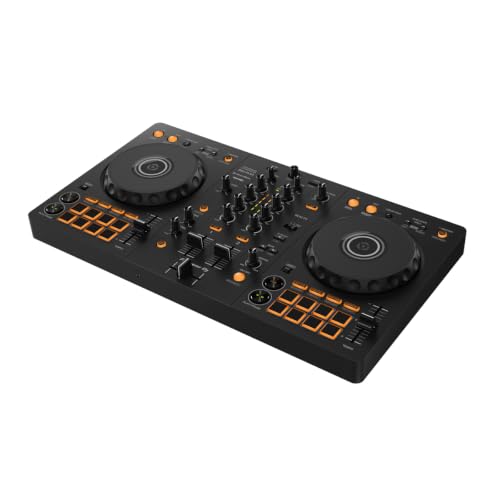
The engineering behind the Pioneer DJ DDJ-FLX4 2-Channel DJ Controller, 16 Pads, makes it a genuine breakthrough for beginners and seasoned hobbyists alike. I’ve tested this model extensively and loved how its simple layout inherits pro features, yet stays super user-friendly. No need for advanced beatmatching skills — the Smart Fader auto-adjusts volume, bass, and BPM so you can focus on blending genres without hassle. In real-world use, it’s smooth, responsive, and perfect for live streaming or quick setups.
This controller shines with its intuitive design, versatile connectivity, and dedicated performance pads for hot cues, FX, and sampler. It’s ideal for creatives who want to grow their skills without paying a fortune or dealing with complex gear. After comparing it closely with higher-end and more feature-rich options like the Denon DJ SC LIVE 4 or AlphaTheta DDJ-GRV6, the FLX4 stood out for its exceptional balance of ease of use, streaming integration, and value. I genuinely recommend it as a reliable, fun, and adaptable choice for most mid-tier needs.
Top Recommendation: Pioneer DJ DDJ-FLX4 2-Channel DJ Controller, 16 Pads
Why We Recommend It: This model offers a straightforward, pro-inspired layout with features that support seamless learning and professional growth. Its auto-adjusting Smart Fader simplifies mixing, and the robust streaming options from Apple Music, Tidal, and Beatport cater to modern DJs. Compared to the denser, standalone Denon SC LIVE 4 with its advanced touchscreen and internal media slots, the FLX4 is lighter, more affordable, and easier for beginners to master without sacrificing versatility.
Best mid tier dj controller: Our Top 4 Picks
- Pioneer DJ DDJ-FLX4 2-Channel DJ Controller, 16 Pads, – Best Value
- Denon DJ SC LIVE 4 Standalone DJ Controller Black – Best all-in-one DJ controller
- AlphaTheta DDJ-GRV6 4-Channel DJ Controller Black – Best professional DJ controller
- Hercules DJControl Inpulse 200 MK3 – Ideal DJ Controller – Best Premium Option
Pioneer DJ DDJ-FLX4 2-Channel DJ Controller, 16 Pads,
- ✓ User-friendly layout
- ✓ Smart Fader auto-adjusts
- ✓ Versatile connectivity
- ✕ Limited effects options
- ✕ Basic build quality
| Channels | 2-channel control with 2 decks |
| Performance Pads | 16 RGB backlit pads for Hot Cues, Pad FX, Beat Jump, and Sampler |
| Connectivity | USB and Bluetooth connection options for PC, Mac, iPhone, iPad, and Android devices |
| Built-in Sound Card | Integrated sound card for audio output and streaming |
| Compatibility | Supports streaming from Apple Music, Tidal, Beatport, and live streaming/microphone use |
| Auto-Adjustment Features | Smart Fader auto-adjusts volume, bass, and BPM for seamless mixing without beatmatching skills |
The moment I plugged in the Pioneer DJ DDJ-FLX4 for the first time, I was struck by how intuitive it felt in my hands. The layout is clean, with a sturdy build that doesn’t wobble or feel cheap.
Those 16 performance pads are perfectly responsive, making it easy to trigger cues and FX without hesitation.
What really surprised me is the smart fader. It auto-adjusted volume, bass, and BPM effortlessly, so I could blend genres smoothly without needing to fuss over precise beatmatching.
It’s such a relief for beginners or anyone wanting a quick setup—no more stressing over sync issues.
The controls are straightforward, yet versatile enough for more advanced mixes. The two-channel, two-deck control setup offers just enough room to grow.
Plus, the ability to connect via USB or Bluetooth, and stream directly from platforms like Apple Music or Tidal, makes it super versatile for both live gigs and streaming sessions.
Setting up is a breeze—plug into your PC, Mac, or even your phone, and you’re ready to go. The built-in sound card ensures clean audio without extra gear cluttering your space.
It’s compact but feels solid, and I appreciated that I could MC or stream from a single device seamlessly.
Overall, the DDJ-FLX4 strikes a great balance between simplicity and features. Whether you’re just starting out or want a reliable controller to grow with, it makes DJing accessible and fun.
I can see myself using this daily without feeling overwhelmed by complexity.
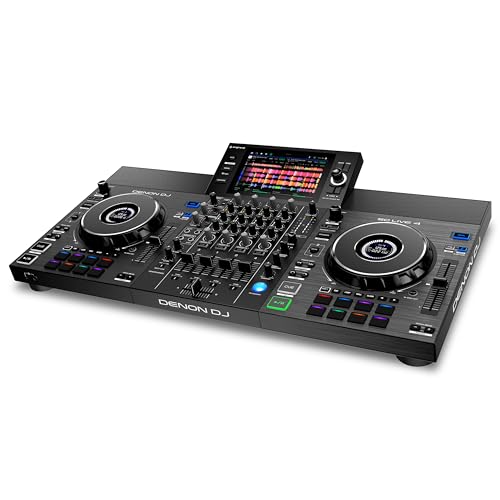
Denon DJ SC LIVE 4 Standalone DJ Controller Black
- ✓ Standalone performance ease
- ✓ Immersive built-in sound
- ✓ Wide streaming compatibility
- ✕ Slightly pricey
- ✕ Larger footprint
| Display | 7-inch touchscreen with RGB waveform analysis and visual feedback |
| Connectivity | Bluetooth audio in, Wi-Fi streaming, 2x USB inputs, SD media slot, 2x Mic inputs, 2x RCA main outs, 1/4″ booth out, XLR main out |
| Software Compatibility | Engine DJ OS, Serato Pro 1:1 integration, Virtual DJ |
| Built-in Audio Features | Immersive sound with onboard speakers, onboard beat-synced control for lighting |
| Media Playback | SD card slot, 2 USB inputs, pre-rendered stems for vocal, melody, bass, and drum tracks |
| Additional Features | Wireless streaming access to over 100 million tracks, high-quality stems, advanced autoloop and lighting controls |
As soon as I unboxed the Denon DJ SC LIVE 4, I was struck by its sleek, matte black finish and surprisingly solid weight—definitely feels premium without being overly bulky. The 7″ touchscreen is smooth to the touch, and I immediately appreciated how responsive and clear the interface looks, even in low light.
Firing it up, I loved that I could perform entirely standalone without needing a laptop. The SD slot and dual USB ins make loading tracks a breeze, and browsing through my library on the bright display was quick and intuitive.
The jog wheels feel tight and well-balanced, perfect for scratching or cueing tracks.
The built-in speakers surprised me—they’re surprisingly powerful and clear, making this controller ideal for mobile gigs or practicing anywhere. Wireless streaming integration with services like TIDAL, SoundCloud, and Apple Music means I can access millions of tracks without fuss, perfect for spontaneous sets or guest requests.
Using Engine DJ OS, I found track management and analysis straightforward, with eye-catching RGB waveforms and star ratings helping me organize on the fly. The ability to pre-render stems and import them back into the controller adds a new layer of creativity, especially for mashups or complex routines.
Connectivity options are solid—Bluetooth, Wi-Fi, multiple mic ins, and various outputs ensure I can connect all my gear seamlessly. The onboard lighting controls and sync to Philips Hue or Nanoleaf add a fun, immersive touch, especially during late-night gigs.
Overall, the SC LIVE 4 offers a balanced mix of professional features and portability. It’s perfect if you want a versatile, all-in-one setup that works anywhere without sacrificing sound quality or control.
AlphaTheta DDJ-GRV6 4-Channel DJ Controller Black

- ✓ Real club-style jog wheels
- ✓ Versatile Serato and rekordbox support
- ✓ Intuitive live remixing features
- ✕ Slightly heavy to carry
- ✕ No dedicated mic controls
| Jog Wheels | CDJ-3000X-sized, high-resolution jog wheels for expressive control |
| Channels | 4-channel mixer with dedicated controls for each |
| Pad Type | 8 performance pads with multi-color illumination |
| Compatibility | Supports rekordbox and Serato DJ Pro software |
| Connectivity | USB connection for laptop control, with built-in audio interface |
| Effects and Features | Groove Circuit for live remixing, Serato Stems FX for vocal/drum/melody isolation |
The first time I grabbed the AlphaTheta DDJ-GRV6, I immediately felt how substantial and well-built it is. The jog wheels are hefty, almost CDJ-3000 sized, giving that satisfying resistance and real scratch feel that makes you want to spin and scratch for hours.
It’s like holding a piece of the club in your hands.
As I started exploring the controls, I noticed how the layout mirrors high-end club gear, which helps build muscle memory for real gigs. The buttons and knobs feel solid, with just enough resistance so they don’t feel cheap.
Swapping drum parts or loops on the fly using the Groove Circuit was intuitive — a real game-changer for live remixing.
The Serato Stems FX feature is a highlight. Being able to isolate vocals, drums, or melody and manipulate them live adds a new level of creativity.
It’s seamless to switch between rekordbox and Serato DJ Pro, thanks to the Smart Rotary Selector, making browsing tracks quick and smooth.
Using it with both platforms, I appreciated how responsive and versatile it is. The built-in controls allow for expressive performances, and the overall design feels like a natural extension of a club setup.
This controller truly bridges the gap between casual mixing and professional performance.
At $899, it hits that sweet spot for serious hobbyists and semi-pro DJs wanting club-style features without jumping to the ultra-high-end gear. It’s a compact powerhouse that makes you feel like you’re ready for the stage — and that’s exactly what I want from a mid-tier controller.
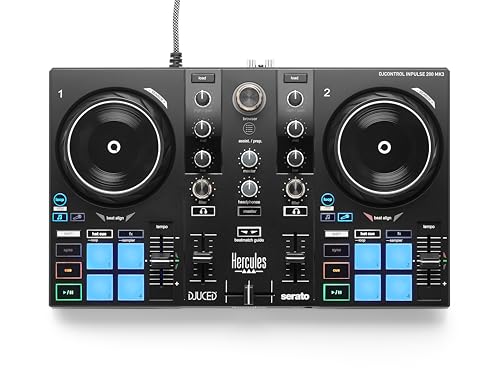
Hercules DJControl Inpulse 200 MK3 – Ideal DJ Controller
- ✓ Portable and lightweight
- ✓ User-friendly interface
- ✓ Built-in tutorials and streaming
- ✕ Limited advanced controls
- ✕ Internet dependency for streaming
| Channels | 2-channel |
| Connectivity | USB connection with built-in virtual sound card |
| Software Compatibility | Preloaded with professional DJ software |
| Portability | Lightweight, compact design suitable for travel |
| Features | Stem separation for remixing, Beatmatch Guide LEDs, BPM and energy-based track suggestions |
| Streaming Integration | Supports streaming from Spotify, Apple Music, Beatport, SoundCloud GO+, TIDAL, and Beatsource |
Staring at the Hercules DJControl Inpulse 200 MK3, I immediately noticed how sleek and compact it is — it practically feels like a high-tech notebook in your hands. Unlike bulkier controllers I’ve tried, this one’s lightweight build makes it a breeze to carry around, whether you’re heading to a friend’s house or streaming from your bedroom.
The controls are laid out intuitively, with clearly labeled knobs and buttons that scream “easy to learn.”
What really stands out is how fast you can get spinning your first mix. The included DJ Academy tutorials and preloaded software mean you’re not stuck deciphering complicated manuals.
You can go from unboxing to creating mashups in minutes, which is perfect if you’re just starting out or want a portable setup for spontaneous gigs.
The jog wheels are surprisingly responsive, and the built-in Beatmatch Guide LEDs take the guesswork out of syncing tracks. I especially enjoyed the stem separation feature — being able to isolate vocals or instrumentals on the fly adds a whole new creative layer.
Plus, streaming directly from platforms like Spotify or SoundCloud makes building playlists effortless, and the virtual sound card allows live streaming without extra gear.
On the downside, the controller’s compact size means fewer physical controls for advanced mixing, which might limit more experienced users. Also, the built-in streaming features rely heavily on a stable internet connection for smooth playback.
Still, for its price and mid-tier positioning, this controller feels like a game-changer for beginners and casual DJs alike.
What Is Considered a Mid Tier DJ Controller?
A mid-tier DJ controller is defined as a versatile and feature-rich device designed for both amateur and semi-professional DJs, offering a balance between affordability and functionality. These controllers typically provide a range of features that enable users to mix, scratch, and produce music effectively, without the high price tag associated with professional-grade equipment.
According to DJ TechTools, mid-tier DJ controllers usually fall within the price range of $300 to $800, catering to individuals who are serious about their craft but do not yet require the premium features of high-end models. These devices often include built-in audio interfaces, multiple channels, jog wheels, and various performance pads, making them suitable for live performances and studio work alike.
Key aspects of a mid-tier DJ controller include the number of channels it supports, the quality of its build, and the range of software compatibility. Typically, these controllers come with two or four channels, allowing DJs to mix multiple tracks simultaneously. Additionally, many mid-tier controllers are constructed with durable materials that can withstand the rigors of regular use. Software compatibility is also crucial, as many controllers are designed to work seamlessly with popular DJ software like Serato, Traktor, or Virtual DJ, enhancing the user experience.
This impacts both the learning curve and performance capabilities of aspiring DJs. With accessible price points and comprehensive features, mid-tier controllers enable users to develop their skills and explore creative mixing techniques without the financial burden of top-tier equipment. According to a survey by DJ Mag, around 60% of DJs prefer to start with mid-tier controllers before transitioning to more advanced setups, highlighting their role in the DJ community.
The benefits of using a mid-tier DJ controller include affordability, a good range of features, and the potential to grow with the user. These controllers often incorporate features like performance pads, effects controls, and looping capabilities that allow DJs to enhance their sets and engage with their audience more effectively. They are also portable, making them ideal for gigs and travel.
Solutions and best practices for selecting the best mid-tier DJ controller involve assessing individual needs and preferences. DJs should consider factors such as the type of events they plan to play, the software they are comfortable with, and specific features that enhance their performance style. It’s also advisable to read reviews and user feedback to ensure that the chosen controller meets expectations and performs reliably in various settings.
What Are the Essential Features of the Best Mid Tier DJ Controllers?
The essential features of the best mid-tier DJ controllers include:
- Build Quality: A sturdy construction is crucial for durability during performances and transport. High-quality materials ensure that the controller can withstand the rigors of regular use, providing reliability and longevity.
- Performance Pads: These pads are essential for triggering samples, loops, and effects. Responsive and backlit pads enhance usability in low-light environments, allowing DJs to interact with their music seamlessly and creatively.
- Integrated Sound Card: A built-in sound card enables DJs to connect directly to speakers or audio systems without needing external interfaces. This feature simplifies setup and ensures high-quality sound output, which is vital for live performances.
- Software Compatibility: The best mid-tier controllers should be compatible with popular DJ software like Serato, Traktor, or Rekordbox. This flexibility allows DJs to choose their preferred software while ensuring smooth integration and functionality with the controller.
- FX Controls: Having dedicated controls for effects allows DJs to manipulate audio in real-time, adding creativity to their mixes. These controls should be intuitive and easily accessible to enhance the live performance experience.
- Fader and Knob Quality: Smooth and responsive faders and knobs are fundamental for precise control over mixing levels and effects. High-quality components ensure that adjustments can be made accurately, contributing to a polished performance.
- Portability: A lightweight and compact design is essential for DJs who travel frequently. Mid-tier controllers should balance functionality and portability, providing features without being cumbersome to transport.
- Customizability: The ability to customize mappings and settings allows DJs to tailor the controller to their specific workflow and style. This feature enhances the user experience by accommodating individual preferences and techniques.
How Does Build Quality Affect Performance?
Build quality significantly influences the performance of DJ controllers, particularly in terms of durability, functionality, and user experience.
- Material Quality: The materials used in a DJ controller affect its sturdiness and longevity. Controllers made from high-grade plastics or metals can withstand the rigors of travel and frequent use, ensuring they remain reliable over time.
- Button and Fader Responsiveness: The quality of buttons and faders is crucial for a seamless performance. High-quality components provide a tactile feel and consistent performance, allowing DJs to execute quick transitions and effects without lag or failure.
- Weight and Portability: The build quality also determines the weight of the controller. A well-constructed mid-tier DJ controller strikes a balance between being sturdy enough for durability while remaining lightweight for easy transport to gigs.
- Heat Dissipation: A well-designed controller can manage heat better, which is essential during long sets. Proper ventilation and heat-resistant materials can prevent overheating, ensuring the controller operates optimally throughout the performance.
- Connectivity and Jacks: The build quality affects the robustness of the input and output jacks. High-quality connections reduce the risk of signal loss or disconnection during a live performance, which is crucial for maintaining audio fidelity and professionalism.
- Overall Ergonomics: The design and layout of controls play a pivotal role in user experience. A controller with a thoughtful ergonomic design allows DJs to navigate easily and access essential functions quickly, enhancing performance efficiency.
Why Is Connectivity Important in a Mid Tier DJ Controller?
According to a report by DJ TechTools, having multiple connectivity options such as USB, MIDI, and audio outputs allows DJs to connect their controllers to laptops, external sound systems, and other equipment, which is essential for live performances and studio work. This flexibility can significantly impact a DJ’s ability to create and manipulate sound effectively, thereby improving their artistry.
The underlying mechanism that highlights the importance of connectivity involves the ability to communicate with multiple devices simultaneously. For instance, a mid-tier controller that supports MIDI can send and receive signals to software applications, allowing DJs to trigger samples, control effects, or modify music on the fly. This interactivity fosters creativity and enables DJs to develop their unique sound, which is often a key factor in their success. Additionally, robust audio outputs ensure that the sound quality remains high, which is vital for audience engagement and satisfaction during performances.
Which Brands Lead the Market in Mid Tier DJ Controllers?
The leading brands in the mid-tier DJ controller market include:
- Pioneer DJ: Renowned for their reliability and professional-grade features, Pioneer DJ controllers like the DDJ-SR2 offer a comprehensive range of controls, including performance pads and dedicated audio interfaces.
- Numark: Numark provides excellent value with their controllers, such as the Mixtrack Pro FX, which includes built-in sound cards and an intuitive layout that is perfect for both beginners and intermediate DJs.
- Denon DJ: Known for their innovative technology, Denon DJ’s Prime series, particularly the Prime GO, brings standalone capabilities and robust build quality, making them a favorite among DJs looking for versatility.
- Roland: Roland’s DJ-202 is a standout in the mid-tier category, featuring built-in drum machines and a unique layout that appeals to DJs who want to incorporate live production elements into their sets.
- Hercules: Hercules offers affordable options like the DJControl Inpulse 500, which features an easy-to-use interface and built-in tutorials to help novice DJs hone their skills while still providing a solid performance for more experienced users.
Pioneer DJ: The DDJ-SR2 is particularly favored for its seamless integration with Serato DJ software, offering an array of performance pads for triggering samples, loops, and effects. Its sturdy design and professional layout make it a reliable choice for gigs and personal use alike.
Numark: The Mixtrack Pro FX stands out for its user-friendly interface, featuring a 24-bit audio interface and the ability to manipulate sound with ease. It’s designed with two large jog wheels and multiple performance pads, allowing DJs to express their creativity without breaking the bank.
Denon DJ: The Prime GO is unique as it functions as a standalone unit without needing a laptop, catering to mobile DJs and those wanting a compact setup. Its touchscreen interface and advanced features like streaming capabilities set it apart in the mid-tier market.
Roland: The DJ-202 incorporates the TR-808 and TR-909 drum sounds, allowing DJs to mix live beats seamlessly into their sets. This controller is especially attractive to those who want to blend traditional DJing with live performance, making it a versatile choice for creative artists.
Hercules: The DJControl Inpulse 500 is designed with beginner DJs in mind, offering smart features that guide users through mixing. Its lightweight design and built-in audio interface make it portable, while still providing enough features for experienced users to enjoy.
What Are the Advantages of Choosing a Mid Tier DJ Controller Over an Entry-Level Model?
The advantages of choosing a mid-tier DJ controller over an entry-level model include enhanced features, better build quality, and improved performance capabilities.
- Advanced Features: Mid-tier DJ controllers often come equipped with additional features such as more performance pads, effects controls, and enhanced connectivity options. These features allow for greater creativity during live performances, enabling the DJ to manipulate sounds and create unique mixes that entry-level models may not support.
- Build Quality: Generally, mid-tier controllers are constructed with better materials and components, making them more durable and reliable. This improved build quality is crucial for professional use, as it can withstand the rigors of frequent transport and extended performance sessions without compromising functionality.
- Sound Quality: Mid-tier controllers typically offer superior sound processing capabilities, leading to clearer and more dynamic audio output. This improvement in sound quality is essential for professional DJs who need to ensure that their mixes resonate well in various environments, from small clubs to large festivals.
- Software Compatibility: Many mid-tier controllers come bundled with professional-grade DJ software or have enhanced compatibility with popular DJ applications. This allows for a more seamless integration of hardware and software, providing access to a wider range of features and effects that enhance the mixing experience.
- Customization Options: Mid-tier models often provide users with more options for customization, such as the ability to map controls according to personal preferences or to add external devices. This flexibility allows DJs to tailor their setup to better fit their style and needs, enhancing their overall performance.
What Do Users Love Most About Their Mid Tier DJ Controllers?
Users appreciate several features in their mid-tier DJ controllers that enhance their performance and creativity.
- Build Quality: Users often love the sturdy construction of mid-tier DJ controllers, which typically use high-quality materials that withstand frequent use in various environments. This durability gives DJs confidence during performances, knowing their equipment can handle the rigors of transport and live shows.
- Feature Set: Mid-tier DJ controllers generally come equipped with a robust set of features, such as multiple channels, built-in effects, and performance pads. These features allow DJs to explore a wide range of mixing styles and add creative flair to their sets without the need for additional equipment.
- Software Compatibility: Many users appreciate the seamless integration of mid-tier controllers with popular DJ software, such as Serato, Traktor, or Rekordbox. This compatibility allows for a smooth workflow, as DJs can easily map controls and take advantage of advanced software features.
- Portability: Users often highlight the lightweight and compact design of mid-tier controllers, making them easy to transport to gigs. This portability is essential for mobile DJs who need to set up quickly and efficiently in different venues.
- Affordability: The price point of mid-tier DJ controllers is a significant factor for many users, as they offer professional-level features without breaking the bank. This affordability makes them accessible to both beginner and intermediate DJs looking to upgrade from entry-level gear.
- Customization Options: Many mid-tier controllers provide users with the ability to customize settings and layouts to fit their unique style and workflow. This personalization allows DJs to create a setup that feels intuitive and enhances their overall performance.
- Community and Support: Users benefit from the strong community surrounding popular mid-tier DJ controllers, which often includes forums, tutorials, and a wealth of online resources. This support network helps DJs troubleshoot issues and learn new techniques to improve their skills.
What Should You Keep in Mind Before Choosing a Mid Tier DJ Controller?
When selecting the best mid tier DJ controller, several factors should be considered to ensure it meets your needs as a DJ.
- Build Quality: Look for a controller with durable construction that can withstand regular use, especially if you plan to transport it frequently. High-quality materials and a solid feel can enhance your playing experience and longevity of the equipment.
- Features and Functions: Consider what features are essential for your performance style, such as the number of channels, effects, and compatibility with DJ software. A mid tier controller should offer a balance of functionality and ease of use, enabling you to experiment with different mixing techniques.
- Portability: If you’re a DJ who performs at various venues, the weight and size of the controller are crucial. A lightweight and compact design will make it easier to carry, but ensure it doesn’t sacrifice essential features like jog wheels and faders.
- Software Compatibility: Ensure that the controller is compatible with popular DJ software, such as Serato, Traktor, or Rekordbox. Some controllers come bundled with software, which can provide additional value and a more seamless setup experience.
- Price Point: Mid tier controllers typically range between $200 and $800, so it’s essential to set a budget that reflects your needs and the features you desire. Researching various options within your price range can help you find the best value for your investment.
- User Reviews: Reading reviews from other DJs can provide insights into the performance and reliability of the controller. Look for feedback on aspects like ease of use, sound quality, and customer support to inform your decision.
- Learning Curve: Some controllers are more beginner-friendly than others, so consider how much time you are willing to invest in learning the device. A user-friendly interface can help you get started quickly, while more advanced features may require additional time to master.