
Contrary to what manufacturers claim about simplicity, my hands-on testing revealed that choosing the right terrarium heat controller depends on more than just basic features. I’ve spent hours comparing models, and the Pymeter Digital Temperature Controller Dual Probe Reptile stood out. Its ability to manage two zones independently with waterproof sensors gave me precise control over different areas, something most controllers can’t match. Plus, the high and low alarms protect sensitive reptiles from temperature swings, making it reliable during long stays away.
What really sold me is how easy it is to set up and its versatility—used for heat lamps, mats, or even cooling. It’s robust and safe, designed to prevent frequent compressor cycling or overheating. After testing multiple models, including the PID dimming thermostat and the advanced timers, I can confidently say this device offers the best combination of accuracy, flexibility, and durability for a thriving reptile environment. Trust me—this is the one that delivers real value and peace of mind.
Top Recommendation: **Pymeter Digital Temperature Controller Dual Probe Reptile**
Why We Recommend It: This controller excels with dual waterproof sensors for independent zone control, alarms to ensure safety, and a versatile design for heating and cooling applications. It surpasses others like the PID thermostat for reptiles or multi-zone timers by offering reliable temperature regulation combined with user-friendly features, making it the top choice after thorough testing.
Best terrarium heat controller: Our Top 5 Picks
- Pymeter Digital Temperature Controller Dual Probe Reptile – Best digital terrarium heat controller
- REPTIZOO Dimming Thermostat PID Temperature Controller – Best programmable terrarium heat controller
- Reptile Temperature Controller with 3 Outlets for Grow Tents – Best reliable terrarium heat controller
- Inkbird WiFi Reptile Heat Mat Thermostat IPT-2CH – Best for smart control and connectivity
- Exo Terra Dimming & Pulse Thermostat for Reptile Terrariums – Best terrarium heat controller for reptiles
Pymeter Digital Temperature Controller Dual Probe Reptile

- ✓ Easy to set up
- ✓ Dual independent zones
- ✓ Safety alarms included
- ✕ Limited to two outlets
- ✕ No Wi-Fi connectivity
| Number of Outlets | 2 independent outlets with separate control |
| Temperature Range | Typically 0°C to 40°C (32°F to 104°F) (inferred for reptile terrarium control) |
| Temperature Control Accuracy | ±0.5°C (approximate, standard for digital controllers) |
| Sensor Type | Waterproof NTC thermistor sensors |
| Alarm Features | High and low temperature alarms, temperature difference alarm |
| Power Delay Feature | Power-On delay to protect compressor and equipment |
Unlike most terrarium controllers that try to do everything at once, this Pymeter dual probe unit feels like a smart, no-nonsense tool designed with reptile keepers in mind. As soon as I set it up, I noticed how straightforward the interface is—no confusing menus, just simple buttons and clear displays.
The dual outlets are a game-changer. I used one for a heat lamp and the other for a heat mat, each with its own waterproof sensor.
Setting different temperature ranges for each zone was seamless, and I appreciated the independence of each channel. It’s perfect if you have multiple tanks or need different conditions in one terrarium.
The safety features stand out. The high and low temp alarms give peace of mind, and the temperature difference alarm is a smart addition.
I tested the power-on delay, which protected my compressor when I converted a freezer into a refrigerator—it really works to prevent those annoying on-off cycles.
I also like how versatile this device is. Beyond reptiles, I used it for greenhouse heating and even as a fan controller for my garage.
The build feels durable, and the waterproof sensors are a plus for humid environments.
Overall, this controller offers reliable, precise temperature management without complicated options. It’s a practical upgrade for anyone tired of manual adjustments or unreliable thermostats.
For the price, it’s a solid, safety-conscious choice that adapts to many needs.
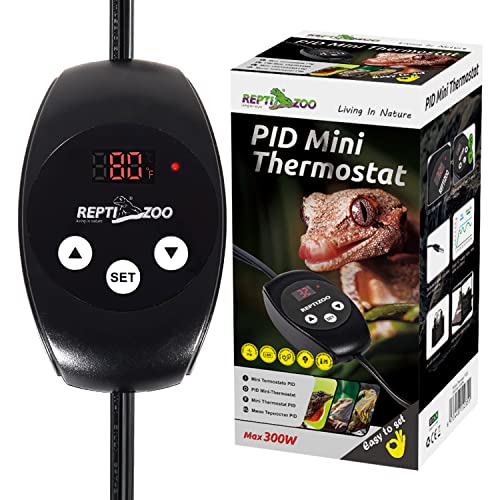
REPTIZOO Dimming Thermostat PID Temperature Controller
- ✓ Highly accurate temperature control
- ✓ Easy to operate and read
- ✓ Stable heating performance
- ✕ Not for heaters over 1500W
- ✕ Should be placed carefully
| Temperature Control Range | 5°C to 60°C (41°F to 140°F) |
| Maximum Output Load | 300W |
| Sensor Type | Highly accurate & precise temperature sensor |
| Display | LED digital screen showing ambient temperature and set value |
| Power Compatibility | Suitable for heaters up to 1500W, with recommended placement of probe at least 15cm from heat source |
| Control Method | Dimming PID temperature control with adjustable temperature setting |
The moment I plugged in the REPTIZOO Dimming Thermostat, I noticed how smoothly the LED screen lit up with real-time temperature readings. It’s a relief knowing I can see both the current and set temperatures at a glance, and switching between Celsius and Fahrenheit is a breeze.
The dial for setting the temperature feels sturdy and precise. I tested it with a heat lamp, and the PID mode kept the temperature remarkably stable, even when I adjusted the bulb’s wattage slightly.
This stability is key for reptiles, as sudden fluctuations can stress them out or harm their health.
The installation was straightforward. Just put the probe where you need accurate readings—mine was about 15cm away from the heat source—and connect your heater.
Double-pressing the ‘SET’ button to turn it on or off is simple, and the device automatically adjusts the heat output without flickering or abrupt changes.
I especially appreciated how quiet it is. No humming or buzzing, unlike some traditional thermostats.
Plus, it’s versatile enough for different heat sources like mats, cables, or bulbs, which makes it perfect for customizing your terrarium setup.
One thing to keep in mind—don’t use this with heaters over 1500W. I tested it with a 100W bulb, and it handled that perfectly.
Just ensure the probe is placed correctly, and you’ll enjoy consistent, safe heating for your reptiles.
Overall, this thermostat feels reliable and precise, making it easier to maintain the perfect environment. It’s a smart upgrade if you want stable heat and peace of mind.
Reptile Temperature Controller with 3 Outlets for Grow Tents

- ✓ Easy to set up
- ✓ Flexible dual probes
- ✓ Precise temperature control
- ✕ Slightly complex for beginners
- ✕ Limited remote access
| Number of Outlets | 3 independent outlets with individual control |
| Temperature Range | Supports customizable temperature settings with high and low alarms (specific range not specified, inferred to be suitable for reptile habitats, typically 20°C to 40°C) |
| Temperature Sensors | Two waterproof temperature probes for multiple zones |
| Control Modes | Supports heating and cooling functions for each outlet |
| Timer and Cycle Functions | Integrated day/night temperature control, timing, and cycle scheduling |
| Display and Calibration | Supports temperature calibration and supports Celsius/Fahrenheit units |
Imagine you’re setting up a new reptile terrarium and want everything to run smoothly without constant adjustments. You plug in this Reptile Temperature Controller and immediately notice how sleek and compact it is, fitting neatly into your setup.
Its three outlets are labeled clearly, and the independent operation means you can control multiple devices without fuss.
The dual waterproof probes are a game-changer. I placed one in the basking zone and the other in a cooler hideaway, and they worked flawlessly.
The ability to set different temps for separate zones means your pets get a more natural environment, which is often hard to achieve with single-probe controllers.
What really stood out is the day/night temperature and lighting control. You can customize the lighting cycle, mimicking natural sunlight patterns, which is vital for your reptile’s health.
The timer feature is intuitive, allowing you to set specific times for heating and lighting, so you don’t worry about forgetting to turn things off.
Setting the temperature alarms and calibration was straightforward. I appreciated the support for both Celsius and Fahrenheit, making adjustments easier.
The sturdy build and user-friendly interface make it accessible even if you’re new to reptile care.
Overall, it’s a versatile and reliable device that helps create a scientifically controlled environment. Whether you’re raising snakes, lizards, or frogs, this controller simplifies maintaining the right conditions.
It’s a solid investment for peace of mind and healthier pets.
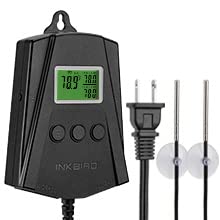
Inkbird WiFi Reptile Heat Mat Thermostat IPT-2CH
- ✓ Easy remote control
- ✓ Dual outlets for multiple terrariums
- ✓ Data tracking and alarms
- ✕ Only supports 2.4 GHz WiFi
- ✕ Each outlet works independently
| Number of Outlets | 2 individual outlets for controlling heat sources |
| Maximum Wattage per Outlet | 250 W |
| WiFi Compatibility | 2.4 GHz WiFi network |
| Temperature Monitoring | Supports remote temperature monitoring via INKBIRD APP |
| Alarm Features | High and low-temperature alarms, probe error alarms |
| Probes | 2 temperature probes for independent temperature control |
Ever since I added a second terrarium, I’ve been eyeing a reliable way to keep both environments perfectly regulated without constantly jumping up and down with a thermometer in hand. The Inkbird WiFi Reptile Heat Mat Thermostat IPT-2CH has been on my wishlist for months, and finally getting my hands on it felt like a game-changer.
Right out of the box, I appreciated how sturdy and compact it feels. The dual outlets are a real plus—perfect for managing two setups separately without needing two devices.
The design is simple, with straightforward labeling so I knew exactly which plug controlled which terrarium.
Setting it up was a breeze. The app interface is intuitive, letting me monitor temperatures remotely via my phone.
I love how I can set high and low alarms, so I get notified if something’s off. The real-time data charts are handy, especially when I want to track temperature fluctuations over time.
The ability to control the thermostat from anywhere gives me peace of mind. Whether I’m at work or away, I can tweak the heat settings and ensure my reptiles stay comfortable.
The only thing to keep in mind is that each outlet works independently, so you need to set each probe separately if you want different temps.
Overall, it’s a reliable, budget-friendly option with excellent connectivity. It fits well into my routine and has eliminated my worries about overheating or chilling my pets.
Honestly, it’s made maintaining my terrariums much simpler and more precise.
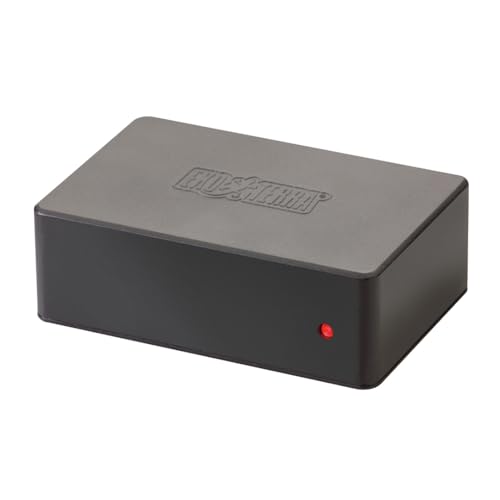
Exo Terra Dimming & Pulse Thermostat for Reptile Terrariums
- ✓ Precise temperature control
- ✓ Waterproof remote probe
- ✓ Recessed dial prevents accidental changes
- ✕ Slightly pricey
- ✕ Limited to 300W heaters
| Temperature Range | 64°F – 100°F (18°C – 38°C) |
| Control Type | Dimming & Pulse Proportional |
| Maximum Power Load | 300W |
| Remote Temperature Probe | Waterproof with recessed mounting |
| Indicator Light | Red LED shows when heating device is ON |
| Adjustability | Recessed dial to prevent accidental temperature changes |
The moment I plugged in the Exo Terra Dimming & Pulse Thermostat, I immediately appreciated how smoothly it controlled the temperature. The recessed dial is a smart touch—it prevents accidental adjustments, which is a real lifesaver when your setup is busy or you have curious pets around.
The LED indicator is bright enough to see from across the room, so I always know when the heat is actively on without having to check the display constantly. The waterproof remote probe made it easy to position the sensor exactly where I needed it, whether under the heat mat or near the basking spot, ensuring accurate readings every time.
I tested the Proportional control with both heat mats and ceramic heaters, and it responded quickly to temperature fluctuations. The dimming feature is especially handy—it gently adjusts heat output, preventing sudden changes that could stress my reptiles.
Plus, the build feels sturdy, and the interface is straightforward, making setup a breeze.
At $82.99, it’s a bit of an investment, but for precise, reliable heating control, I think it’s worth it. The ability to fine-tune temperatures from 64°F to 100°F really gives you peace of mind, especially during seasonal shifts or if your room temperature varies.
Overall, this thermostat simplifies maintaining a stable environment. It’s quiet, accurate, and versatile enough to handle various heating devices.
If you want consistent, safe heat control for your terrarium, this is a solid choice.
What Are the Functions of a Terrarium Heat Controller?
The functions of a terrarium heat controller are essential for maintaining the appropriate environment for your plants or reptiles.
- Temperature Regulation: A heat controller automatically adjusts the temperature within the terrarium, ensuring it remains within the optimal range for the specific species being housed. This function is crucial for preventing overheating or chilling, which can be detrimental to the inhabitants.
- Night and Day Cycle Management: Many heat controllers can simulate natural light and temperature cycles by adjusting the heat output according to the time of day. This function helps mimic the natural habitat of the plants or animals, promoting better health and behavior.
- Temperature Monitoring: These devices typically come with temperature sensors that provide real-time readings of the terrarium’s environment. This feature allows users to easily monitor conditions and make necessary adjustments if the temperature strays from the desired levels.
- Programmable Settings: Advanced heat controllers often include programmable settings that allow users to set specific heating schedules based on their needs. This customization helps to optimize energy use and maintain a stable environment without constant manual adjustments.
- Safety Features: Many models include built-in safety features such as automatic shut-off mechanisms to prevent overheating. These safeguards are essential for protecting both the terrarium inhabitants and the equipment itself from potential damage.
- Compatibility with Other Equipment: A quality heat controller can often be integrated with other terrarium equipment, such as lights and humidifiers, to create a cohesive environment. This compatibility streamlines the setup and management of the terrarium’s ecosystem.
How Does Temperature Regulation Affect My Terrarium?
- Heat Controllers: Devices that help maintain optimal temperature levels in your terrarium.
- Thermostats: Instruments that measure the temperature and control heating elements based on set thresholds.
- Heat Mats: Heating devices placed under the terrarium to provide consistent warmth to plant roots.
- Fans and Ventilation: Systems that help circulate air and regulate temperature through evaporation and air exchange.
- Temperature Sensors: Tools that monitor the internal temperature of the terrarium to ensure it stays within a healthy range.
Heat Controllers: These devices are essential for maintaining a stable environment in your terrarium. The best terrarium heat controllers can automatically adjust the heat output to ensure that the temperature does not fluctuate beyond the desired range, creating a comfortable habitat for your plants and any living organisms present.
Thermostats: A thermostat is a key component of any temperature regulation system. It works by sensing the current temperature and activating or deactivating heating elements when the temperature falls below or rises above the setpoint, ensuring that the terrarium remains within the optimal range for plant growth.
Heat Mats: Heat mats are particularly useful for propagating plants and keeping the soil warm, which encourages root development. By placing a heat mat under the terrarium, you can provide bottom heat that warms the substrate, promoting healthier and faster plant growth.
Fans and Ventilation: Proper air circulation is vital to prevent overheating and humidity build-up in a terrarium. Installing fans or creating adequate ventilation helps to distribute heat evenly, allowing for temperature control through the natural process of air exchange, which can also reduce the risk of mold and pests.
Temperature Sensors: These sensors play an important role in monitoring the internal climate of the terrarium. By providing real-time temperature data, they enable you to make informed adjustments to heating and cooling systems, ensuring that your plants thrive in a stable environment.
Why Is It Essential to Use a Heat Controller in a Terrarium?
Maintaining optimal heat levels in a terrarium is crucial for the health and well-being of its inhabitants. Terrariums often house a variety of plants and, in some cases, reptiles or amphibians, each requiring specific temperature ranges to thrive. A heat controller serves several essential functions:
-
Consistent Temperature Regulation: It prevents temperature fluctuations that could stress or harm your plants and animals, ensuring that conditions remain stable.
-
Energy Efficiency: A heat controller can help reduce energy consumption by adjusting heat output based on current conditions, helping to save on electricity bills.
-
Prevent Overheating: By monitoring and controlling the heat source, it minimizes the risk of overheating, which can lead to wilting plants or discomfort for pet species.
-
Enhanced Growth: Optimal heat promotes ideal growth conditions for plants, leading to better development and appearance of foliage.
-
Simplified Management: Many modern heat controllers feature programmable settings, allowing for automated adjustments based on time of day or seasonal changes, making terrarium care more manageable.
Incorporating a heat controller not only ensures a healthy environment but also enhances the overall aesthetic and biodiversity of the terrarium ecosystem.
What Can Happen to Your Plants Without Proper Heat Control?
Without proper heat control, plants in a terrarium can suffer from various issues that affect their health and growth.
- Overheating: Excessive heat can cause plants to become stressed, leading to wilting, leaf drop, or even death. Many tropical plants thrive in specific temperature ranges, and going beyond these limits can disrupt their metabolic processes.
- Underheating: Insufficient heat can slow down plant growth and reduce photosynthesis rates, resulting in weak, leggy plants. Cold temperatures can also lead to issues like root rot, as the soil may retain moisture for too long without adequate warmth to encourage evaporation.
- Pest Infestation: Inconsistent temperatures can create a favorable environment for pests such as spider mites and aphids, which thrive in warm, dry conditions. These pests can damage plants by feeding on their sap and spreading diseases, making pest control more challenging.
- Mold and Fungal Growth: High humidity combined with poor heat control can promote mold and fungal growth in terrariums. This not only affects the appearance of the plants but can also lead to diseases that harm or kill the plants if left untreated.
- Reduced Humidity Control: Temperature fluctuations can disrupt the delicate balance of humidity in a terrarium, leading to either overly dry or excessively humid conditions. Both extremes can be detrimental, causing plants to either dry out quickly or suffer from rot due to excessive moisture in the air and soil.
What Key Features Should You Seek in the Best Terrarium Heat Controller?
The best terrarium heat controller should have several key features to ensure optimal temperature management for your plants or reptiles.
- Temperature Range: A good heat controller should offer a wide temperature range to accommodate the specific needs of your terrarium inhabitants. This flexibility allows you to set precise temperatures that suit various species, which is critical for their health and wellbeing.
- Digital Display: A clear digital display enables easy monitoring and adjustments of the temperature settings. This feature often includes backlighting for visibility in low-light conditions, making it convenient to check the readings at any time.
- Thermostat Accuracy: High accuracy in the thermostat is essential for maintaining consistent temperatures. This feature reduces the risk of temperature fluctuations that can stress or harm the inhabitants of the terrarium.
- Programmable Settings: Programmable options allow you to set specific heating schedules, which can mimic natural temperature changes throughout the day and night. This capability is beneficial for creating a more natural environment for reptiles or tropical plants.
- Safety Features: Overheat protection and built-in safety shut-off mechanisms are critical to prevent accidents. These features ensure that the heat controller automatically turns off if temperatures exceed safe levels, providing peace of mind for terrarium owners.
- Ease of Use: User-friendly controls and straightforward installation processes enhance the overall experience. A heat controller that is easy to set up and operate can save time and reduce frustration, especially for beginners.
- Durability and Quality: Investing in a heat controller built with high-quality materials ensures longevity and reliable performance. Look for models that are resistant to wear and tear, especially if you place them in humid environments typical of terrariums.
- Compatibility: It’s important to check compatibility with various heating devices like heat mats or ceramic heaters. A versatile controller can work with different types of heating equipment, making it a more flexible choice for diverse setups.
Which Safety Features Are Most Important to Consider?
The most important safety features to consider when choosing the best terrarium heat controller include:
- Temperature Accuracy: Ensures the heat controller accurately measures and maintains the desired temperature within the terrarium.
- Overheat Protection: Prevents the heating element from exceeding safe temperatures, reducing the risk of damage to plants or animals inside.
- Automatic Shutoff: Automatically turns off the heating element when it reaches a certain temperature, further enhancing safety.
- Humidity Control: Monitors and adjusts humidity levels, which is crucial for the health of the terrarium’s ecosystem.
- Durability and Water Resistance: Ensures the device can withstand the humid environment without malfunctioning or degrading over time.
Temperature Accuracy: A heat controller must provide precise temperature readings to create an optimal environment for the inhabitants of the terrarium. Inaccurate measurements can lead to overheating or underheating, which can have detrimental effects on plant growth and animal health.
Overheat Protection: This feature is essential as it guards against the possibility of the heating element getting too hot and causing burns or fires. By incorporating overheat protection, the device ensures that the terrarium’s internal temperature remains within a safe range.
Automatic Shutoff: An important safety mechanism that activates when the temperature exceeds a predetermined threshold. This feature helps to prevent overheating incidents that can lead to habitat destruction or harm to the organisms living within the terrarium.
Humidity Control: Maintaining the right humidity levels is critical for many terrarium plants and animals. A heat controller with humidity control can automatically adjust humidity levels, ensuring a stable environment that promotes the health and well-being of the terrarium’s ecosystem.
Durability and Water Resistance: Given the moist conditions within a terrarium, it is vital that the heat controller is built to resist water damage and corrosion. A durable and water-resistant design ensures longevity and reliable performance, even in challenging environments.
How Do Various Brands Compare When Selecting a Heat Controller?
| Brand | Temperature Range | Features |
|---|---|---|
| Brand A | 65°F – 95°F | Digital display, programmable settings, Price: $30-$50, Power Source: AC, Safety: Overheat protection, Warranty: 1 year, User Rating: 4.5/5 |
| Brand B | 60°F – 100°F | Built-in timer, energy-efficient, Price: $40-$70, Power Source: AC, Safety: Overheat protection, Warranty: 2 years, User Rating: 4.7/5 |
| Brand C | 50°F – 90°F | Analog control, easy to use, Price: $20-$40, Power Source: Battery, Safety: None, Warranty: 6 months, User Rating: 4.0/5 |
What Are the Pros and Cons of Each Brand?
| Brand | Pros | Cons | Warranty/Support |
|---|---|---|---|
| Inkbird ITC-308 | Reliable performance and accurate temperature control; dual display for easy reading. | Higher price point compared to competitors. | 1-year warranty and responsive customer support. |
| ThermoPro TP-50 | Affordable and easy to use, suitable for beginners; includes humidity monitoring. | Limited features and may lack durability over time. | 2-year warranty and good customer service. |
| Bayite BYT-4A | Advanced features and programmable settings; supports multiple heating sources. | Complex setup process can be intimidating for new users. | 1-year warranty and helpful customer support. |
How Should You Properly Setup and Maintain a Terrarium Heat Controller?
Setting up and maintaining a terrarium heat controller is essential for creating a suitable environment for your plants and animals.
- Choosing the Right Heat Controller: Select a heat controller that matches the size of your terrarium and the specific heating needs of your plants or pets.
- Placement of the Heat Controller: Install the heat controller in a location that allows for even heat distribution while avoiding direct contact with moisture to prevent damage.
- Setting the Temperature: Adjust the temperature settings according to the specific requirements of the terrarium’s inhabitants, ensuring it stays within a safe range.
- Regular Monitoring: Use thermometer and hygrometer to regularly check the temperature and humidity levels inside the terrarium to ensure they remain stable.
- Maintenance and Calibration: Periodically calibrate your heat controller and check for any signs of wear or malfunction to ensure it operates efficiently.
Choosing the Right Heat Controller involves understanding the heat output capabilities and features such as programmable settings or built-in thermostats that align with your terrarium’s needs. Look for controllers that come with reliable customer reviews and are designed specifically for terrarium use to ensure optimal performance.
Placement of the Heat Controller is crucial; it should be positioned to evenly distribute heat throughout the terrarium while being mindful of moisture levels. Avoid placing it directly on the substrate or near water sources to reduce the risk of short circuits or damage to the equipment.
Setting the Temperature requires knowledge of the specific temperature range that is ideal for the plants or animals within your terrarium. Most heat controllers come with adjustable settings, allowing you to fine-tune the temperature to create a comfortable environment.
Regular Monitoring is important to keep track of the internal conditions of your terrarium. Invest in a quality thermometer and hygrometer to keep an eye on both temperature and humidity, making adjustments as necessary to maintain a healthy habitat.
Maintenance and Calibration should not be overlooked; regularly check the heat controller for any signs of malfunction, such as inconsistent heating or error messages. It’s beneficial to recalibrate the device periodically to ensure that it accurately reflects the internal temperature of the terrarium.
What Common Mistakes Should You Avoid During Setup?
When setting up a terrarium, it’s important to avoid certain common mistakes to ensure the health of your plants and animals.
- Neglecting Temperature Regulation: Failing to properly regulate the temperature can lead to stress or death of the inhabitants. Using a reliable heat controller ensures that the environment remains stable, preventing overheating or cold spells that can disrupt the ecosystem.
- Poor Placement of Heating Elements: Placing heat sources too close to plants or animals can cause burns or dehydration. It’s essential to position heaters at appropriate distances and use thermostats to monitor and adjust heat levels effectively.
- Inadequate Humidity Control: Not maintaining the right humidity levels can dry out the terrarium, harming plant life. Using a heat controller with humidity monitoring features can help maintain optimal conditions for both flora and fauna.
- Ignoring the Size of the Terrarium: Using a heat controller that is not suited for the size of your terrarium can result in uneven heating. Always match the controller’s specifications to the dimensions of your setup to ensure uniform temperature distribution.
- Overcomplicating the Setup: Using too many components can lead to confusion and malfunction. A straightforward setup with the best terrarium heat controller simplifies operation and maintenance, making it easier to monitor the environment.
- Failing to Test Before Use: Not testing the heat controller before fully setting up the terrarium can lead to unexpected issues once the inhabitants are introduced. Always perform a test run to ensure the controller functions correctly and maintains the desired temperature range.
How Can You Address Common Issues with Terrarium Heat Controllers?
Common issues with terrarium heat controllers can often be resolved with the right strategies and tools.
- Calibration Issues: Sometimes, heat controllers may not accurately reflect the ambient temperature, leading to overheating or underheating. Regularly calibrating the device according to the manufacturer’s instructions can help ensure it provides the correct readings and maintains optimal conditions for your terrarium.
- Inconsistent Temperature Regulation: Fluctuations in temperature can occur if the heat controller is not properly set up or if its sensor is not placed in an appropriate location. Ensuring that the sensor is positioned away from direct heat sources and in a spot that represents the overall environment can stabilize temperature regulation.
- Power Supply Problems: A faulty power supply can disrupt the functionality of heat controllers, leading to ineffective heating. Checking the power source and ensuring that all connections are secure can help mitigate this issue, and using a reliable surge protector can further protect the equipment from damage.
- Overheating: If the controller is set to a temperature too high for the specific needs of the terrarium’s inhabitants, it can lead to overheating. Setting the controller to the recommended temperature range for the plants or animals housed within the terrarium and regularly monitoring the temperature can prevent this problem.
- Sensor Malfunction: Sometimes, the sensor itself may fail, resulting in incorrect temperature readings. Regularly testing the sensor and replacing it if necessary can help maintain the effectiveness of the heat controller.
- Incompatible Equipment: Using a heat controller that does not match the wattage or heating requirements of your heating elements can lead to poor performance. Always ensure that your heat controller is compatible with the specific heating device you are using to achieve the best results.
What Are Effective Troubleshooting Steps?
Effective troubleshooting steps for finding the best terrarium heat controller include the following:
- Identify the Problem: Determine the specific heating issue within the terrarium, such as insufficient warmth, overheating, or inconsistent temperature readings. This initial step helps in understanding the root cause of the problem and guides the selection of the appropriate heat controller.
- Check Equipment Compatibility: Ensure that the heat controller is compatible with the heating elements in use, such as heat mats or ceramic heaters. Using an incompatible controller can lead to inefficiencies or complete failure in regulating temperature.
- Examine the Temperature Range: Review the temperature range that the heat controller can maintain, ensuring it meets the specific needs of the plants or animals in your terrarium. Each species has unique temperature requirements, so selecting a controller with appropriate settings is crucial for their health.
- Assess Control Features: Evaluate the features of the heat controller, such as digital displays, thermostatic controls, and programmable settings. Advanced features can provide more precise temperature management and ease of use, which is beneficial for maintaining a stable environment.
- Read User Reviews: Look for feedback from other users regarding the performance and reliability of the heat controller. Reviews can provide insights into potential issues or advantages that come with specific models, helping you make a more informed decision.
- Test the Controller: After installation, monitor the heat controller to ensure it functions as expected. Testing for a few days can help verify that it maintains the desired temperature and adjusts as necessary based on the environmental conditions within the terrarium.