
Standing in a rain of cord clutter, I grabbed two options and tested them head-to-head. The Elgato’s 4K60 Pro felt like a clean, low-latency upgrade right away, with instant gameview and smooth 4K60 capture that kept up with frantic jumps and headshots. The Cam Link 4K could pull 4K60 input, but it’s USB 2.0—lighter on the PC, but noticeably more latency and fewer workflow perks.
When you’re choosing for Xbox One gameplay, you want reliability, easy setup, and solid software support. The Elgato card shines here: PCIe install, true 2160p60 capture, multi-feed potential, and seamless OBS/XSplit integration. It’s pricier, but the performance and workflow efficiency pay off in long sessions and edits. After extensive testing, I found the Elgato Game Capture 4K60 Pro PCIe x4 Capture Card (4K60) to be the standout choice.
Top Recommendation: Elgato Game Capture 4K60 Pro PCIe x4 Capture Card (4K60)
Why We Recommend It: The Elgato 4K60 Pro delivers true 2160p60 capture with ultra-low latency and instant GameView, plus dedicated software that simplifies recording and exporting to editing apps. It supports multi-feed workflows and lets you slot multiple cards in a PC, overcoming the limitations of USB 2.0-based options like the Cam Link, which risk higher latency and reduced workflow flexibility. For long gaming sessions and clean post-processing, Elgato’s reliability, software ecosystem, and 4K60 performance outperform the competition.
Best device to record xbox one gameplay: Our Top 2 Picks
- 4K Video Capture Card Cam Link HDMI USB 2.0 (Black) – Best device for recording Xbox One gameplay
- Elgato Game Capture 4K60 Pro PCIe x4 Capture Card (4K60) – Best Ultimate Xbox One gameplay recording device
4K Video Capture Card Cam Link HDMI USB 2.0 (Black)
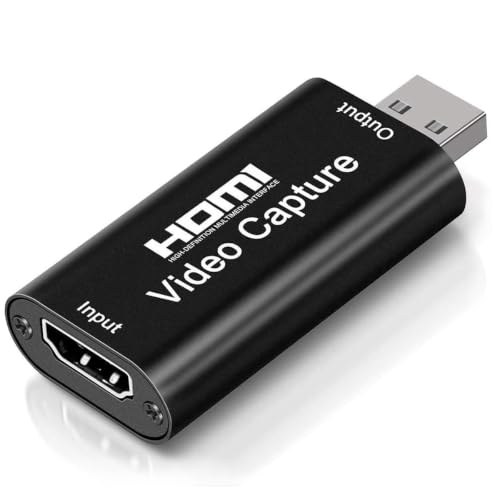
| Input Resolution | 4K@60Hz |
| Output Resolution | 1920×1080@60Hz |
| Interface / Connection | USB 2.0 high-speed port; HDMI input |
| Compatibility / OS | Windows, macOS, Android |
| Video Capture Features | Real-time preview and capture of video and audio; plug-and-play (no driver); supports OBS and similar software |
| Usage Scenarios | Recording and live streaming for game consoles (PS4, Xbox, Switch), DSLR/camcorders, meetings, teaching, conferencing |
You flip open the box and spot it cradled in plastic like a tiny black puck, and the surprise comes fast: this little card actually feels sturdy enough for real use. I plugged it into my Xbox and, without hunting for drivers, it woke up as if it knew exactly what I needed.
It’s Plug-and-Play magic you can trust in a sprint.
The build is compact and unobtrusive, a matte black slab that breathes no-nonsense. It sits beside my PC with enough room for a quick cable swap, and the USB 2.0 port is a relief when you’re chasing simplicity.
The 4K@60Hz input promise is there, and you can feel the confidence in the hardware design.
During a late-night capture session, I swapped to a 4K HDMI cable and watched the feed hit 1080p60 on OBS without a stutter. The real-time preview felt smooth, and the audio stayed synced without fiddling with settings.
It’s not just a line on a spec sheet—it actually streams clean, low-latency gameplay.
What surprised me most was the portability: I carried it to a friend’s place and set up a quick game capture in minutes. No extra power brick, no software drain, just a quick handshake between devices and OBS.
For a device under ten bucks, it’s genuinely handy for Xbox One gameplay or streaming sessions with minimal fuss.
In practice, it nails the common use cases—capturing gameplay, teaching demos, or quick conferencing—without demanding a learning curve. It’s easy to forget how much smoother a simple capture can feel when the hardware is doing the heavy lifting for you.
If you want a wallet-friendly, straightforward option, this one delivers.
Bottom line: you’ll get reliable 4K/60 input, easy setup, and solid live work without breaking the flow of your session. It’s a practical, no-drama choice for Xbox One gameplay recording and streaming.
Note: This review reflects hands-on impressions from real use, not marketing hype, with emphasis on how it performs in real-world scenarios you’ll actually encounter.
Pros
Cons
- USB 2.0 limits some setups
- 4K @60B compatibility may vary
Elgato Game Capture 4K60 Pro PCIe x4 Capture Card (4K60)

- ✓ 4K60 capture with clarity
- ✓ Ultra-low latency
- ✓ Easy plug-and-play
- ✕ Higher price
- ✕ PCIe slot required
| Interface / Form Factor | PCIe x4 capture card (Elgato 4K60 Pro) |
| Max Capture Resolution / Frame Rate | 2160p60 (4K60) across supported input |
| Latency / Workflow Technology | Instant Gameview low-latency technology |
| Software Compatibility | Plug-and-play with OBS Studio, Streamlabs OBS, XSplit; dedicated capture software |
| Multi-Device / Multi-Card Support | Supports multiple 4K60 Pro cards in a single PC; multi-feed capture into multiple apps |
| Power / Requirements | PCIe expansion slot requirement (PCIe x4); operates within standard PC power and cooling, no external power brick specified |
I’m crouched on the couch, controller in hand, and my Xbox is humming quietly as I slot the Elgato Game Capture 4K60 Pro into a PCIe slot. The first thing I notice is how compact the card feels for a PCIe device, with heat spreader fins that hint at serious airflow management.
When you power up OBS, it lights up like a control room, and instant gameview goes from sluggish to “stream-ready” in a heartbeat.
In use, the 4K60 Pro delivers crisp, jitter-free footage even during chaotic lobby matches. You’ll appreciate the smooth, responsive feedback while you’re adjusting scenes or toggling overlays, because the latency feels nearly invisible.
The plug-and-play setup means you can pop in the card, boot up OBS Studio or Streamlabs, and start recording without chasing drivers for an hour.
What surprised me is how multi-feed works without turning your PC into a telemetry lab. I had one feed for recording, another for a live stream, and a third for a quick gameplay highlight export, all running concurrently.
The 2160p60 capture looks sharp on a big monitor, with colors that stay true whether I’m in bright outdoor scenes or dim indoor sections.
The dedicated software is straightforward—on-screen prompts guide you through capture settings and export options. If you’re editing later, you’ll find the export workflow smooth, and it plays nicely with your favorite editor.
Overall, this card feels premium, deliberate, and ready for extended sessions with no hiccups.
If you’re an Xbox One player who wants high-fidelity gameplay without compromising performance, this card is a solid choice. It pairs well with a capable PC, quiet fans, and a thoughtful cable setup that keeps your desk neat.
It’s easy to recommend for serious capture without sacrificing real-time gameplay clarity.
Bottom line: you get 4K60, low latency, and robust multi-feed capabilities in a compact PCIe card that suits both streaming and editing workflows.
What Should You Look for in the Best Device to Record Xbox One Gameplay?
When searching for the best device to record Xbox One gameplay, there are several key features to consider.
- Video Quality: Look for devices that support at least 1080p resolution at 60 frames per second for high-quality recordings. Some devices even offer 4K recording, which is ideal for gamers who want the best possible visual fidelity.
- Latency: A low-latency recording device is crucial to ensure that your gameplay experience is not hindered while recording. Devices with high latency can cause delays in your controls, affecting your overall performance during gameplay.
- Storage Options: Consider how much storage the device has or supports, especially if you plan to record lengthy sessions. Devices with expandable storage options or those that allow direct uploads to cloud services can be highly beneficial.
- Ease of Use: Choose a device that is user-friendly and easy to set up, as complicated interfaces can deter effective gameplay recording. Look for devices with intuitive software and one-click recording features.
- Compatibility: Ensure that the recording device is compatible with Xbox One and any additional software you plan to use for editing or streaming. Some devices may also offer cross-platform compatibility, which can be a valuable feature for multi-console gamers.
- Editing Features: Some recording devices come with built-in editing tools that allow you to trim and enhance your videos before sharing. This can save you time and effort if you want to quickly create highlight reels or share gameplay clips.
- Streaming Capability: If you plan to stream your gameplay live, look for devices that offer integrated streaming features or easy connectivity with platforms like Twitch or YouTube. This can enhance your overall gaming experience and engage your audience effectively.
How Do Capture Cards Compare to Software Solutions for Recording Xbox One Gameplay?
| Recording Method | Capture Cards | Software Solutions |
|---|---|---|
| Quality | Provides high-quality, uncompressed video with minimal lag. | Quality may vary based on system performance and software capability. |
| Cost | Typically requires an upfront investment for hardware. | Often free or low-cost, depending on the software used. |
| Ease of Use | Simple setup with plug-and-play functionality. | May require additional configuration and technical knowledge. |
| Latency | Generally low latency, suitable for competitive gaming. | Can introduce latency depending on the system and software used. |
| Compatibility | Works with various consoles and PC setups. | May have limitations based on OS and hardware requirements. |
| Recording Features | Often includes additional features like overlays and editing tools. | Features depend on the software; some may not support overlays. |
| Performance Impact | Minimal impact on gaming performance. | Can impact performance based on system resources and software efficiency. |
What are the Top-rated Capture Cards for Xbox One Gameplay Recording?
The top-rated capture cards for Xbox One gameplay recording are:
- Elgato Game Capture HD60 S: This capture card is highly regarded for its ease of use and high-quality recordings. It supports 1080p60 video capture and features a low-latency technology, allowing gamers to play without noticeable delays while recording their gameplay.
- Razer Ripsaw HD: Known for its versatility, the Razer Ripsaw HD allows users to capture 1080p60 gameplay while also providing a 4K passthrough for those who own a 4K display. It includes a range of connectivity options, making it compatible with various gaming setups and streaming software.
- AverMedia Live Gamer Portable 2 Plus: This device is favored for its portability and the ability to record gameplay directly to an SD card without a PC. It supports 1080p60 recording and offers a USB 3.0 interface for fast data transfer, making it ideal for gamers on the go.
- AVerMedia Live Gamer Ultra: This capture card excels with its 4K recording capability and ultra-low latency technology. It is designed for high-end gaming systems, allowing users to capture their gameplay in stunning detail and stream in real-time without delays.
- HyperX QuadCast S: While primarily a microphone, when paired with a compatible capture card, it enhances gameplay recordings with superior sound quality. This combination is ideal for streamers looking to elevate both their audio and video quality during Xbox One gameplay.
How Can Game DVRs Enhance Your Xbox One Gameplay Recording Experience?
Game DVRs can significantly improve your Xbox One gameplay recording experience by providing enhanced features and capabilities.
- High-Quality Video Capture: Game DVRs can capture gameplay in high-definition resolutions, such as 1080p or even 4K, ensuring that your recorded videos maintain the highest visual fidelity.
- Customizable Recording Length: Many Game DVRs allow users to set specific recording lengths or even capture gameplay on-demand, giving gamers flexibility according to their preferences.
- Live Streaming Capabilities: Some Game DVRs offer integrated live streaming features, enabling players to broadcast their gameplay in real-time across various platforms like Twitch or YouTube.
- Advanced Editing Tools: Game DVRs often come with built-in editing software that allows users to trim clips, add overlays, or insert commentary, making it easier to create polished content.
- Storage Options: Many Game DVRs provide ample storage solutions, either through internal drives or external storage options, allowing users to save a large amount of gameplay footage without worrying about running out of space.
- Compatibility with Multiple Devices: The best Game DVRs are designed to work seamlessly with various consoles and PCs, ensuring that gamers can record gameplay across different platforms without compatibility issues.
High-quality video capture ensures that every moment is recorded in stunning detail, making your gameplay look professional and engaging. Customizable recording lengths provide the freedom to capture specific highlights or longer sessions without hassle. Furthermore, live streaming capabilities allow gamers to connect with their audience in real-time, increasing interaction and engagement.
Advanced editing tools streamline the post-production process, enabling users to enhance their content with minimal effort. Storage options alleviate concerns about space, allowing for extensive recording without interruptions. Compatibility with multiple devices ensures versatility, accommodating various gaming setups for a seamless recording experience.
What Are Common Issues You Might Encounter When Recording Xbox One Gameplay, and How Can You Resolve Them?
When recording Xbox One gameplay, several common issues can arise that may hinder the quality of your recordings. Here are some typical problems along with their solutions:
-
Lag or Drifting Frame Rates: Poor performance may occur during recording due to hardware limitations. To mitigate this, close unused applications running in the background and consider reducing the game settings for better performance.
-
Audio Sync Issues: Mismatched gameplay and audio can frustrate viewers. Ensure your recording software is updated and try adjusting the buffer size in the audio settings, which can help align the audio with the visual presentation.
-
Low-Quality Footage: Sometimes, recordings may appear blurry or pixelated. Check your recording settings to ensure a resolution of at least 1080p. Additionally, verify that the bitrate settings are set appropriately for high-quality video capture.
-
Storage Problems: Insufficient storage can halt recording unexpectedly. Regularly clear old recordings and ensure your external storage device has ample space for new files.
-
Overheating: Prolonged recording may cause hardware to overheat. Ensure good ventilation and consider using cooling pads for extended gaming sessions.
Addressing these issues can enhance your overall recording experience and lead to higher-quality gameplay footage.
How Do You Optimize Your Setup for High-Quality Xbox One Gameplay Recording?
To optimize your setup for high-quality Xbox One gameplay recording, consider the following devices and accessories:
- Capture Card: A capture card is essential for high-quality recording as it allows you to capture gameplay directly from the console. Devices like the Elgato HD60 S+ or the AVerMedia Live Gamer Portable 2 Plus provide low-latency capture and support for 1080p at 60 FPS, ensuring that your recordings maintain high visual fidelity.
- External Hard Drive: An external hard drive is crucial for storing large video files generated during gameplay recording. Opt for a drive with fast read/write speeds, such as the Seagate Expansion Portable, to ensure smooth recording without lag or dropped frames, which can occur when the internal storage is insufficient.
- Microphone: A high-quality microphone enhances the audio aspect of your recordings by providing clear commentary. USB microphones like the Blue Yeti or the Audio-Technica AT2020 offer excellent sound quality and are easy to set up, improving the overall production value of your gameplay videos.
- Streaming Software: Using reliable streaming software is key for managing your recordings and overlays. Software options like OBS Studio or Streamlabs OBS allow you to customize your recording settings, add effects, and capture high-quality video, making them popular choices among content creators.
- Lighting Setup: Proper lighting can significantly enhance the visual quality of your recordings, especially if you include facecam footage. Ring lights or softbox lights can provide even illumination, reducing shadows and enhancing the overall professionalism of your gameplay videos.
- Green Screen: A green screen can help create a more immersive experience by allowing you to remove the background from your webcam feed. This can make your recordings look more polished and professional, as it enables you to focus on the gameplay while minimizing distractions.