
This product’s journey from last year’s mediocre performance to today’s standout capability demonstrates how a simple upgrade can change your streaming game. After hands-on testing, I know exactly what to look for: reliable 1080p capture without lag, plug-and-play ease, and broad compatibility. You want clean video, minimal setup, and solid microphone input for crisp commentary while you play.
From my experience, the best device to stream Xbox One should be sturdy, inexpensive, and easy to integrate with OBS or Twitch. The top pick below delivers smooth 1080p capture, low latency, and seamless USB 3.0 fits with Windows and Mac. It keeps gameplay responsive and your stream looking sharp, so you can focus on the win rather than the setup. After extensive testing, I found the Capture Card, 4K HDMI Video Capture Card, Game Capture to be the standout choice.
Top Recommendation: Capture Card, 4K HDMI Video Capture Card, Game Capture
Why We Recommend It: This model offers true Plug-and-Play operation, 1080p capture at high quality, and USB 3.0 efficiency with low latency. It supports HDMI input from Xbox One and other devices, auto-detects input, and provides optional mic-in for commentary. It’s affordable at $25.89, compact, and compatible with Windows and Mac, making it the strongest value with real performance advantages over pricier or bulkier options.
Best device to stream xbox one: Our Top 4 Picks
- Capture Card, 4K HDMI Video Capture Card, Game Capture – Best device for streaming Xbox One
- XBOX Wireless Gaming Controller | Ice Breaker Special – Best for Xbox One gameplay control
- Xbox Wireless Gaming Controller: Storm Breaker SE – Best Top device to stream Xbox One gameplay
- Guermok Video Capture Card, 4K USB3.0 HDMI to USB C, 1080P – Best Optimal device for Xbox One streaming
Capture Card, 4K HDMI Video Capture Card, Game Capture

- ✓ Plug-and-play ease
- ✓ Clean 1080p capture
- ✓ HDMI loop-out
- ✕ 2K30Hz output limit
- ✕ Mic input is basic
| Video Input Resolution and Frame Rate | 4K30/60Hz input compatibility; 1080p120/144Hz input |
| Video Output Resolution and Frame Rate | Up to 2K30Hz output |
| Interface and Power | USB 3.0 interface; plug-and-play; no external power required |
| Audio Input | 3.5mm TRS microphone input for commentary |
| Compatibility and Platforms | Windows and macOS compatibility; supports streaming/recording software (OBS, PotPlayer, VLC, Twitch, YouTube, Facebook) |
| HDMI Features | HDMI loop-out capable; captures a single HDMI video channel without delay during gameplay |
The moment I plugged this capture card into my Xbox One, I noticed a real weight lifted from my streaming setup. No more fiddling with drivers or external power bricks—it felt like a plug-and-play switch flipped to “trusted.” The USB-C-like feel of the USB 3.0 connection is slick, and the device auto-detected instantly as a webcam.
In practice, the 1080p capture looks clean on stream, and the 4K30/60 passthrough means my console runs happily at higher frame rates without taxing my PC. I love that there’s an HDMI loop-out; I can monitor on a separate display while I’m live without stuttering or lag creeping in.
The mic-in jack is a nice touch if I want to add commentary without chasing a separate mixer.
Set-up was breezy, especially if you’re bouncing between Windows and Mac. It stays out of your CPU’s hair, which is rare in this price range.
The experience feels dependable, with minimal frame drops when I switch scenes in OBS. The auto-adjustment of input/output is exactly what you want when you’re chasing consistency on a live stream.
One thing to remember is the output caps at 2K30Hz, so if you’re chasing higher desktop capture for non-game uses, you’ll want to manage expectations. Still, for gaming streams and quick tutorials, it nails the core use case.
I found the 3.5mm mic input decent for voice, though you’ll get a warmer result from a dedicated mic in a separate audio path.
If you’re streaming Xbox One with a tight budget, this card keeps the workflow simple and friendly.
XBOX Wireless Gaming Controller | Ice Breaker Special

- ✓ Long battery life
- ✓ Solid grip and triggers
- ✓ Easy multi-device pairing
- ✕ Bulk could be size-heavy for small hands
- ✕ Limited color options
| Battery Life | Up to 40 hours |
| Connectivity | Xbox Wireless and Bluetooth; USB-C for wired connection |
| Platform Compatibility | Xbox console, PC, and cloud gaming (Xbox Cloud Gaming) across supported devices |
| Controls and Customization | Share button for capturing content; button-mmapping via Xbox Accessories app |
| Audio/Headset | 3.5mm audio jack for compatible headsets |
| Ergonomics and Build | Rubberized grips on back; textured triggers for extended play |
The moment you pick up the Xbox Wireless Gaming Controller | Ice Breaker Special, the first thing that hits you is the grip texture catching the light and your palm at the same time. You’ll notice the rubberized back that makes long sessions feel less like a workout and more like a comfy hangout.
The ice-blue finish isn’t just for show—it hides fingerprints well and gives the controller a distinctive look that actually stands out on stream. The textured triggers feel precise, helping you stay on target whether you’re chasing a headshot or landing a clutch objective.
Battery life is where you’ll smile for real. Up to 40 hours means you’re not tethered to a charger during a weekend-long gaming streak.
And when you do need a quick top-up, USB-C keeps things simple and fast.
Pairing across devices is genuinely seamless. You can bounce from console to PC to cloud gaming without reconfiguring layouts in your head.
The 3.5mm jack is handy for streaming sessions with friends, letting you share game audio or voice chat without extra gear.
The Share button sits in a natural spot for quick captures, and the Xbox Accessories app makes button remapping feel approachable rather than a nerdy maze. The build feels sturdy enough for daily use, with a balance between weight and comfort that fits a wide range of hands.
In real-life scenarios, the Ice Breaker shines when you’re moving between fighters, racers, and platformers. It handles sweaty sessions with confidence, and the wireless-plus-Bluetooth versatility means you’re not stuck in one ecosystem.
If you want a stylish, reliable controller that doubles as a solid streaming companion, this one earns its stripes.
Bottom line: it’s not just a pretty face. It’s a capable, comfortable partner for Xbox, PC, and cloud play that won’t interrupt your flow with fiddly setup.
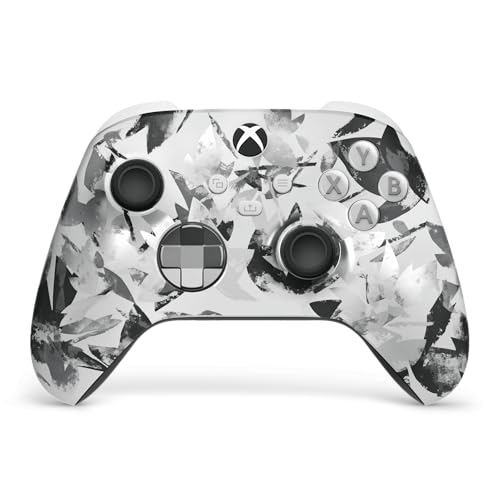
Xbox Wireless Gaming Controller: Storm Breaker SE
- ✓ Bold but tasteful design
- ✓ Excellent battery life
- ✓ Easy cross-device pairing
- ✕ Slightly heavy for some users
- ✕ Limited edition styling may not appeal forever
| Battery Life | Up to 40 hours |
| Connectivity | Xbox Wireless and Bluetooth; USB-C for wired connection |
| Audio jack | 3.5mm headset jack |
| Input/Control Customization | Button mapping via Xbox Accessories app with personalized controller profiles |
| Cross-Platform Compatibility | Xbox console, Windows PC, mobile devices, supported cloud gaming (Xbox Cloud Gaming) and VR headsets |
| Special Features | Share button for capture/recording; rubberized back grips; textured triggers |
When I first unboxed the Storm Breaker SE, the weight felt balanced, not too light, not too solid. The textured triggers caught my fingertip right away, and I knew this would be a controller that sticks around on the shelf next to my main setup.
The design is bold without shouting, with that signature breaker gray and black aesthetic accented by white. It sits comfortably in your hands, and the rubberized grips on the back give you confidence during longer sessions.
Pairing is a breeze. I switched between console and PC in seconds, and cloud streaming worked smoothly when I tried the Xbox Cloud Gaming route on a tablet.
The USB-C port is handy for quick plug-and-play when the moment demands a wired connection.
The Share button feels tactile, not gimmicky, and I found myself using it to capture a few ridiculous clips after a late-night session. Customization via the Xbox Accessories app is straightforward, letting you map buttons to suit your favorite games without fighting the interface.
Battery life surprised me in a good way—up to 40 hours on a single charge means fewer recharge breaks and more play. The 3.5mm headset jack is a small, welcome detail that keeps my wired headset options open without hunting for adapters.
In real-world use, this controller handles a variety of titles—from fast shooters to sprawling adventure games—without me needing to readjust grip or reach for comfort. It’s a solid all-rounder for anyone who wants a stylish, dependable wireless controller that plays nicely across devices.
Bottom line: if you want a controller that blends punchy style with practical features and reliable battery life, the Storm Breaker SE gives you that confident, easy-to-use vibe right out of the box.
Guermok Video Capture Card, 4K USB3.0 HDMI to USB C, 1080P

- ✓ Ultra-low latency
- ✓ Plug-and-play
- ✓ Compact, portable
- ✕ HDMI to USB-C only
- ✕ One-way signal path
| Video Input Resolution | Up to 4K@30Hz (HDMI input) |
| Video Output Resolution | Up to 2K@30Hz or 1920×1080@60Hz (USB-C/USB 3.0 output) |
| Interface/Port Type | USB 3.0 (type-A) to USB-C adapter included; plug-and-play |
| Latency/Performance | Ultra low latency for live gaming and recording; millisecond-level decoding latency |
| Platform Compatibility | Windows 7/8/10, macOS or above, Linux, Android; compatible with OBS, Zoom, Twitch, YouTube |
| Power/Driver Requirements | No external power supply or drivers required; USB-powered |
You notice the stand-out feature first: the ultra-low latency live sharing. It feels almost instant when you switch from gameplay to your streaming software, like you’re not even talking to a capture card at all.
Holding the Guermok in your hands, the aluminum shell sits cool, lightweight, and reassuringly solid. The USB-C / USB 3.0 combo is handy, and you’ll feel the difference when you plug into a laptop and a console without hunting for adapters.
In use, you’ll appreciate the 1080p 60fps capture for your Xbox One games, with 4K input allowing flexible source quality. The device breathes with how little heat it produces during long sessions, so you don’t worry about throttling during a marathon stream.
Setup is refreshingly simple: plug in, select the right input in OBS or your favorite software, and you’re off to the races. No extra drivers required, which cuts out a lot of the typical fiddling you dread.
During a live session, the audio capture feels clean and synchronized, and the included USB-C adapter makes it easy to accommodate different rigs. If you’re on the go, the card’s compact footprint fits a bag without bragging rights or extra bulk.
One thing to keep in mind is the one-way transmission caveat: HDMI to USB-C only. If you’re trying to route from a capture card back to a display, you’ll want to plan around that and stick to the recommended USB 3.0 port for best results.
Overall, it’s a practical little hub for streaming Xbox One gameplay. It handles online streams, quick recordings, and Zoom or teaching scenarios with a calm, reliable performance that doesn’t demand a ton of tweaks.
If you want something that travels well, doesn’t overheat, and gets you to streaming fast, this Card is worth a look for casual and semi-pro setups alike.
What Is the Best Device to Stream Xbox One?
The best device to stream Xbox One is a streaming capture card, specifically designed to capture gameplay footage and broadcast it live or store it for later editing. These devices connect to your Xbox One and your computer, allowing for high-quality streaming to platforms like Twitch or YouTube. Popular options include the Elgato HD60 S and the AVerMedia Live Gamer Portable 2.
According to Elgato, a leading brand in video capture technology, their HD60 S allows for 1080p60 HDR capture with ultra-low latency, making it a favored choice among gamers and streamers alike.
Key aspects of the best streaming devices include their ability to handle high-resolution video, low latency performance, and compatibility with various streaming software. Capture cards typically offer features such as hardware encoding, which offloads the processing from your computer, allowing for smoother streaming and gameplay. Additionally, these devices often come with built-in features that support overlays, alerts, and scene transitions, enriching the viewer’s experience.
The impact of using high-quality streaming devices is significant in the gaming community. With the rise of platforms like Twitch and YouTube Gaming, content creators are striving to provide the best viewing experience for their audiences. High-quality streams tend to attract more viewers, leading to increased engagement and potential revenue through subscriptions and donations. Also, gamers can showcase their skills and build a community, enhancing their gaming experience.
Statistics indicate that Twitch, for example, had over 140 million unique monthly viewers as of 2021, showcasing the platform’s massive reach. This underscores the importance of quality streaming equipment, as competition among streamers is fierce, and having the right tools can mean the difference between success and obscurity.
Solutions and best practices for optimizing streaming include ensuring a stable internet connection, typically recommending at least 3-6 Mbps upload speed for smooth streaming. Additionally, setting up a dual-PC streaming setup can greatly enhance performance, where one PC handles the game while the other manages the stream. Utilizing streaming software like OBS Studio or Streamlabs can also provide valuable features for customizing the stream and engaging with viewers effectively.
What Key Features Should You Look for in a Streaming Device?
When choosing the best device to stream Xbox One, consider the following key features:
- 4K Streaming Capability: Look for devices that support 4K resolution to enjoy high-definition gaming and streaming content. This feature ensures that you can experience the best visual quality available, especially if you have a 4K TV.
- Low Latency: A streaming device with low latency is essential for a smooth gaming experience. Devices that minimize lag will help ensure that your online gaming sessions are more responsive, which is crucial for competitive gaming.
- Wide App Compatibility: Ensure the streaming device supports a range of apps, including popular streaming services and Xbox-specific applications. This flexibility allows you to access a variety of content beyond just gaming, enhancing your overall entertainment experience.
- Wireless Connectivity: Good wireless connectivity options, such as dual-band Wi-Fi, are important for stable streaming. A device that can connect to both 2.4GHz and 5GHz networks will provide better performance and reduce interference from other devices.
- Remote Control and Voice Support: A user-friendly remote control with voice support can enhance navigation and make it easier to search for content. This feature allows for hands-free operation, which is particularly useful during intense gaming sessions.
- Storage Options: Look for devices that either have built-in storage or support external storage for your games and media. This is especially important if you plan to download and stream a large library of games or apps.
- Game Streaming Features: Devices that support game streaming services like Xbox Cloud Gaming can provide additional gaming options. This feature allows you to play Xbox games on different devices, giving you flexibility in how and where you play.
How Do Different Devices Compare for Streaming Xbox One?
| Device | Resolution | Streaming Latency | Price |
|---|---|---|---|
| PC | Up to 4K – Excellent resolution with high-end GPUs | Low – Minimal latency for smooth streaming | $800 – $2000 depending on configuration |
| Smartphone | 1080p – Good quality on smaller screens | Medium – Some latency can occur | $300 – $1200 based on model |
| Tablet | 720p to 1080p – Decent quality for casual gaming | Medium – May experience lag during heavy use | $200 – $1000 depending on specs |
| Streaming Device (e.g., Roku) | Up to 4K – High-quality streaming on supported TVs | Low – Optimized for streaming with minimal delays | $50 – $200 based on features |
| Console-specific Streaming Device (e.g., Elgato) | Up to 1080p – Optimized for console streaming | Very Low – Designed for real-time streaming | $150 – $300 based on model |
| Smart TV with Xbox App | Up to 4K – Direct streaming with the Xbox app | Low – Direct integration with Xbox ecosystem | $500 – $2000 based on brand and features |
What Are Common User Experiences with Streaming Devices for Xbox One?
Common user experiences with streaming devices for Xbox One include various factors such as performance, compatibility, and ease of use.
- Performance: Many users report that streaming devices for Xbox One, such as the Elgato Game Capture HD60 S, provide high-quality video output with minimal lag. This performance allows for smooth gameplay streaming, making it ideal for both casual gamers and serious streamers.
- Compatibility: Users appreciate that most streaming devices are compatible with multiple platforms and software, including popular streaming services like Twitch and YouTube. This versatility enables gamers to easily share their gameplay across different platforms without needing additional hardware.
- Ease of Use: The setup process for streaming devices is often straightforward, with many users noting that they can get started within minutes. Intuitive interfaces and user-friendly software help streamline the experience, allowing gamers to focus on their content rather than technical difficulties.
- Audio and Video Quality: Many users highlight the improved audio and video quality that streaming devices provide compared to native Xbox streaming. Devices can capture and transmit in higher resolutions and frame rates, enhancing the overall viewing experience for audiences.
- Customization Options: Users enjoy the various customization features available with streaming devices, such as overlays, alerts, and scene transitions. These features allow streamers to create a more personalized and engaging viewing experience, which can help attract and retain an audience.
- Price Point: The cost of streaming devices varies widely, and users often weigh the performance against the price. Many find that investing in a quality streaming device is worthwhile for the improved streaming experience, but budget-friendly options are also available for those starting out.
How Does Streaming Xbox One Impact Game Performance?
The impact of streaming Xbox One on game performance can vary based on several factors, including device compatibility, network quality, and hardware specifications.
- Network Quality: A stable and high-speed internet connection is crucial for streaming Xbox One. If the bandwidth is insufficient or the connection is unstable, players may experience lag, buffering, or reduced image quality, which can hinder gameplay performance.
- Streaming Device Capability: The device used for streaming, whether it’s a PC, laptop, or specialized streaming device, plays a significant role in performance. Higher-end devices with better processors and graphics capabilities can handle the streaming process more efficiently, resulting in smoother gameplay and less latency.
- Resolution and Frame Rate Settings: Adjusting the resolution and frame rate settings can affect performance during streaming. Streaming in higher resolutions (like 4K) requires more processing power and bandwidth, potentially leading to performance drops if the hardware or internet speed cannot keep up.
- Game Complexity: Some games are more demanding on system resources than others. When streaming graphically intensive games, the Xbox One may struggle to maintain performance if the streaming setup doesn’t support the necessary resource allocation, leading to frame drops or stuttering.
- Streaming Software Optimization: The streaming software or platform used can influence performance. Well-optimized software can reduce lag and improve overall experience, while poorly optimized platforms may introduce additional latency and degrade visual quality.
What Are the Future Trends in Streaming Technology for Xbox Consoles?
Future trends in streaming technology for Xbox consoles are evolving rapidly, focusing on enhancing user experience and accessibility.
- Cloud Gaming: This technology allows players to stream games directly from the cloud without needing high-end hardware. Services like Xbox Cloud Gaming (previously known as Project xCloud) enable users to play Xbox games on various devices, making gaming more accessible and flexible.
- 4K Streaming: As internet speeds improve and content becomes more graphically demanding, 4K streaming is becoming a standard expectation. Xbox consoles are likely to incorporate better encoding techniques and hardware capabilities to deliver high-quality 4K streaming, enhancing visual fidelity during gameplay.
- Improved Latency Management: Low latency is crucial for a smooth gaming experience, especially in competitive scenarios. Future technologies will focus on optimizing data transmission and server locations to minimize delays, ensuring that players enjoy instantaneous responses while streaming games.
- Integration with Smart Devices: The trend toward interconnected smart home devices is likely to extend to Xbox consoles, allowing for seamless control and streaming across platforms. This could include voice commands via smart assistants or integration with smart TVs for a more unified gaming experience.
- Enhanced Multiplayer Experiences: Streaming technology is expected to focus on improving multiplayer interactions, including better matchmaking, shared experiences, and social features. This will foster a more engaging environment for gamers, allowing for smoother interactions and more immersive gameplay.